Dialogo e Solstizio


Oct 20, 2026
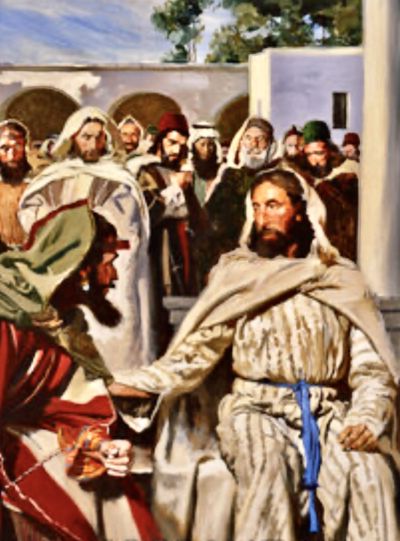
30th Sunday in O.T.
Written by don Giuseppe Nespeca Published in Angolo della Pia donna
30th Sunday in Ordinary Time (year A) [25 October 2026] First Reading from the Book of Exodus 22:20–26 This text forms part of the Book of the Covenant, that is,…
67
Oct 12, 2026
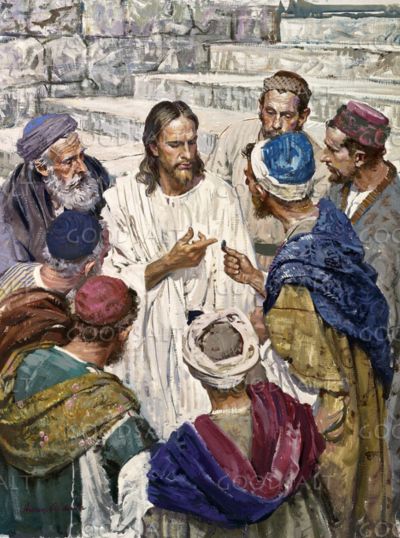
29th Sunday in O.T.
Written by don Giuseppe Nespeca Published in Angolo della Pia donna
29th Sunday in Ordinary Time (year A) [18 October 2026] First Reading from the Book of the Prophet Isaiah 45:1–6 When Isaiah wrote this text, the Jews had been in…
138
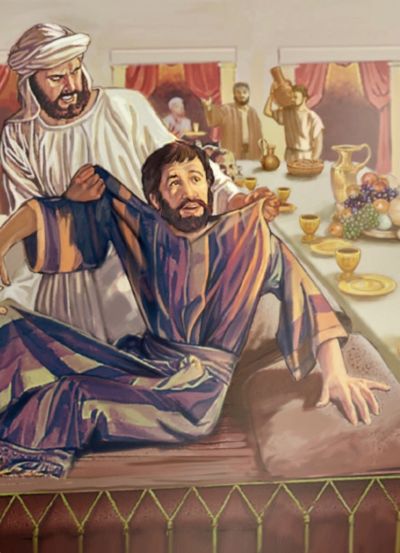
28th Sunday in Ordinary Time (year A) [11 October 2026] First Reading from the Book of the Prophet Isaiah (25:6–10a) To describe the fulfilment of God’s plan, the prophet Isaiah…
113
Sep 29, 2026
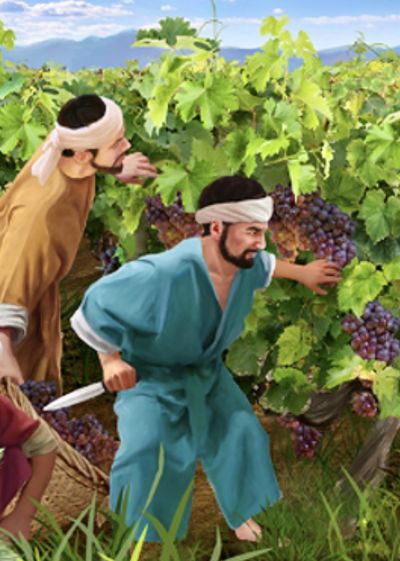
27th Sunday in O.T.
Written by don Giuseppe Nespeca Published in Angolo della Pia donna
27th Sunday in Ordinary Time (year A) [4 October 2026] First Reading from the Book of the Prophet Isaiah 5:1–7 This text begins as a song dedicated to the grape…
122
Sep 21, 2026
26th Sunday in O.T.
Written by don Giuseppe Nespeca Published in Angolo della Pia donna
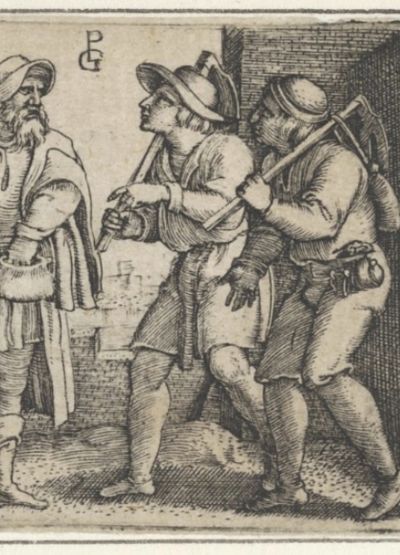
26th Sunday in Ordinary Time (year A) [27 September 2026] First Reading from the Book of the Prophet Ezekiel (18:25–28) To understand Ezekiel’s prophecy, we must recall the dramatic context…
126
Sep 16, 2026
25th Sunday in O.T.
Written by don Giuseppe Nespeca Published in Angolo della Pia donna
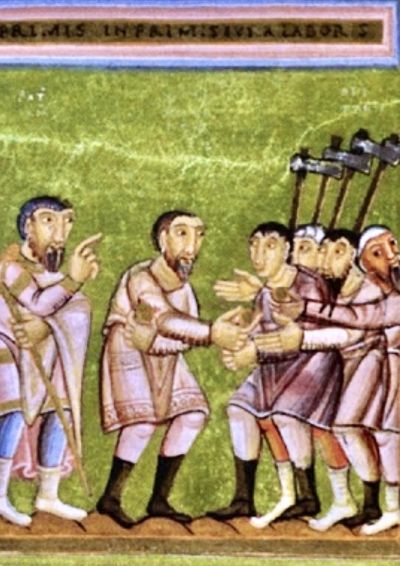
25th Sunday in Ordinary Time (year A) [20 September 2026] First Reading from the Book of the Prophet Isaiah (55:6–9) ‘Seek the Lord, for he is to be found.’ Isaiah’s…
144
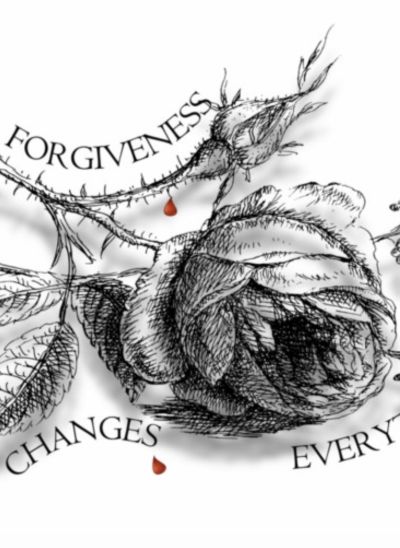
24th Sunday in Ordinary Time (year A) [13 September 2026] First Reading from the Book of Sirach (27:30–28:7) In the teachings of the wise Ben Sira, who lived around 180…
184
Aug 31, 2026
23rd Sunday in O.T.
Written by don Giuseppe Nespeca Published in Angolo della Pia donna
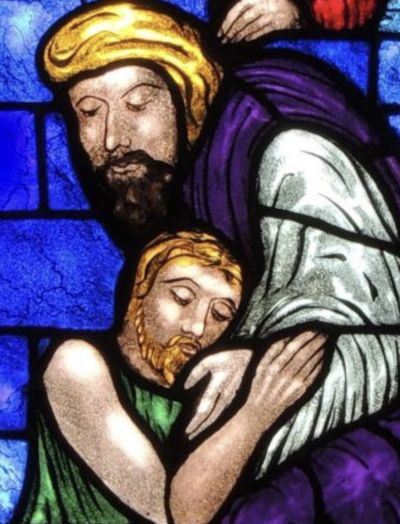
23rd Sunday in Ordinary Time (year A) [6 September 2026] First Reading from the Book of the Prophet Ezekiel (33:7–9) The prophet Ezekiel, a priest in Jerusalem in the 6th…
152
Aug 24, 2026
22nd Sunday in O.T.
Written by don Giuseppe Nespeca Published in Angolo della Pia donna
22nd Sunday in Ordinary Time (year A) [30 August 2026] First Reading from the Book of the Prophet Jeremiah (20:7–9). The central theme here is Jeremiah’s inner struggle: the fire…
222
Aug 18, 2026
21st Sunday in O.T.
Written by don Giuseppe Nespeca Published in Angolo della Pia donna
21st Sunday in Ordinary Time (year A) [23 August 2026] First Reading from the Book of the Prophet Isaiah (22:19–23) We are in Jerusalem around 700 BC, during the reign…
148
Aug 15, 2026
20th Sunday in O.T.
Written by don Giuseppe Nespeca Published in Angolo della Pia donna
20th Sunday in Ordinary Time (year A) [16 August 2026] First Reading from the Book of the Prophet Isaiah (56:1, 6–7) This passage, attributed to the so-called ‘Third Isaiah’, dates…
159
Aug 9, 2026
The Assumption of the Blessed Virgin Mary
Written by don Giuseppe Nespeca Published in Angolo della Pia donna
[15 August 2026] First Reading from the Book of Revelation (11:19a; 12:1–6a, 10a) For the early persecuted community, the entire Book of Revelation is a message of victory, rich in…
172
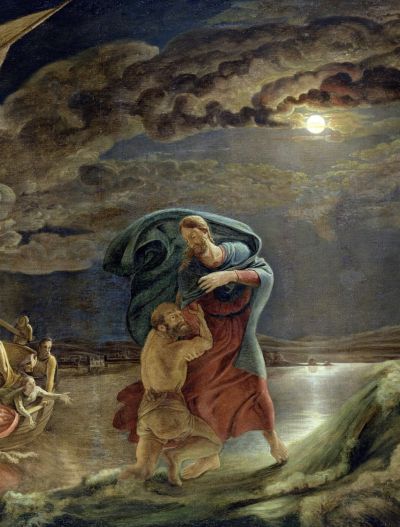
19th Sunday in Ordinary Time (year A) [9 August 2026] First Reading from the First Book of Kings (19:9a, 11–13a) In the 9th century BC, in the Kingdom of Israel,…
191
Aug 2, 2026
Transfiguration of the Lord
Written by don Giuseppe Nespeca Published in Angolo della Pia donna
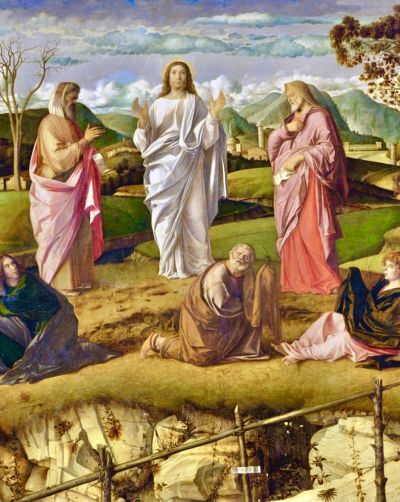
The Transfiguration of the Lord (year A) [6 August 2026] First Reading from the Book of the Prophet Daniel (7:9–10, 13–14) The text recounts a vision of the prophet Daniel,…
199
Jul 27, 2026
18th Sunday in O.T.
Written by don Giuseppe Nespeca Published in Angolo della Pia donna
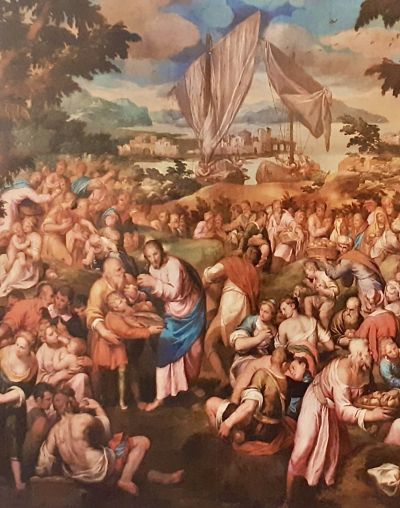
18th Sunday in Ordinary Time (Year A) [2 August 2016] First Reading from the Book of the Prophet Isaiah (55:1–3) We have reached the end of the second book of…
176
Jul 23, 2026
17th Sunday in O.T.
Written by don Giuseppe Nespeca Published in Angolo della Pia donna
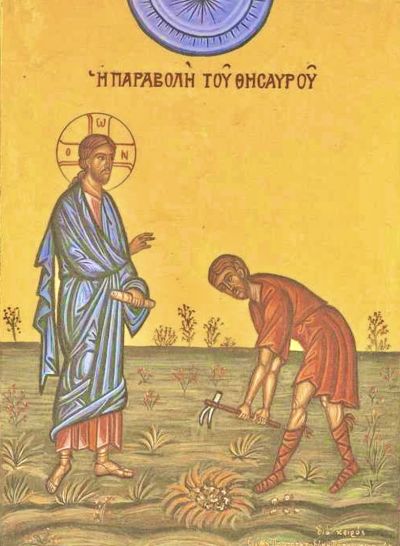
17th Sunday in Ordinary Time (year A) [26 July 2026] First Reading from the First Book of Kings (3:5, 7–12) This passage from the First Book of Kings recounts the…
201
Jul 15, 2026
16th Sunday in O.T.
Written by don Giuseppe Nespeca Published in Angolo della Pia donna
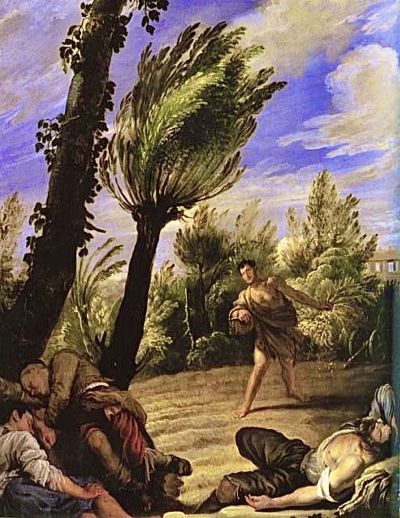
16th Sunday in Ordinary Time (year A) [19 July 2026] First Reading from the Book of Wisdom (12:3, 16–19) The Book of Wisdom, written in Greek by a Jew from…
189
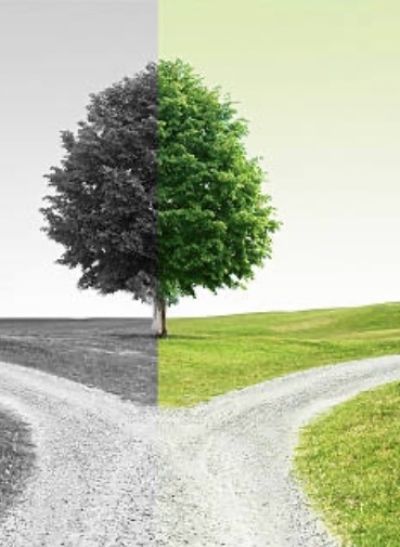
15th Sunday in Ordinary Time (year A) [12 July 2026] First Reading from the Book of the Prophet Isaiah (55:10–11) The central theme of this passage is the image of…
230
Jun 30, 2026
14th Sunday in O.T.
Written by don Giuseppe Nespeca Published in Angolo della Pia donna
14th Sunday in Ordinary Time (year A) [5 July 2026] First Reading from the Book of the Prophet Zechariah (9:9–10) This text could be summarised as follows: for the prophet…
224
A “year” of grace: the period of Christ’s ministry, the time of the Church before his glorious return, an interval of our life (Pope Francis)
Un “anno” di grazia: il tempo del ministero di Cristo, il tempo della Chiesa prima del suo ritorno glorioso, il tempo della nostra vita (Papa Francesco)
The Church, having before her eyes the picture of the generation to which we belong, shares the uneasiness of so many of the people of our time (Dives in Misericordia n.12)
Avendo davanti agli occhi l'immagine della generazione a cui apparteniamo, la Chiesa condivide l'inquietudine di tanti uomini contemporanei (Dives in Misericordia n.12)
Addressing this state of mind, the Church testifies to her hope, based on the conviction that evil, the mysterium iniquitatis, does not have the final word in human affairs (Pope John Paul II)
Di fronte a questi stati d'animo la Chiesa desidera testimoniare la sua speranza, basata sulla convinzione che il male, il mysterium iniquitatis, non ha l'ultima parola nelle vicende umane (Papa Giovanni Paolo II)
Jesus reminds us today that the expectation of the eternal beatitude does not relieve us of the duty to render the world more just and more liveable (Pope Francis)
Gesù oggi ci ricorda che l’attesa della beatitudine eterna non ci dispensa dall’impegno di rendere più giusto e più abitabile il mondo (Papa Francesco)
Those who open to Him will be blessed, because they will have a great reward: indeed, the Lord will make himself a servant to his servants — it is a beautiful reward — in the great banquet of his Kingdom He himself will serve them [Pope Francis]
E sarà beato chi gli aprirà, perché avrà una grande ricompensa: infatti il Signore stesso si farà servo dei suoi servi - è una bella ricompensa - nel grande banchetto del suo Regno passerà Lui stesso a servirli [Papa Francesco]
The fool in the Bible, the one who does not want to learn from the experience of visible things, that nothing lasts for ever but that all things pass away, youth and physical strength, amenities and important roles. Making one's life depend on such an ephemeral reality is therefore foolishness (Pope Benedict)
L’uomo stolto nella Bibbia è colui che non vuole rendersi conto, dall’esperienza delle cose visibili, che nulla dura per sempre, ma tutto passa: la giovinezza come la forza fisica, le comodità come i ruoli di potere. Far dipendere la propria vita da realtà così passeggere è, dunque, stoltezza (Papa Benedetto)
As sometimes happens in the Gospel, faced with the trap set by his enemies, Jesus, with his response, rises above the contingent controversy and goes far beyond the particular and mutually divergent positions (Pope John Paul II)
Come talora accade nel Vangelo, di fronte al tranello mossogli dai suoi nemici, Gesù, con la sua risposta, s’innalza al di sopra della polemica contingente e va ben oltre le posizioni particolari e tra loro divergenti (Papa Giovanni Paolo II)
And blasphemy, the sin against the Holy Spirit, is the one unforgivable sin — as Jesus said — because it comes from closing the heart to God’s mercy which acts in Jesus (Pope Francis)
The great thinker Romano Guardini wrote that the Lord “is always close, being at the root of our being. Yet we must experience our relationship with God between the poles of distance and closeness. By closeness we are strengthened, by distance we are put to the test” (Pope Benedict)








duevie.art
don Giuseppe Nespeca
Tel. 333-1329741
Disclaimer
Questo blog non rappresenta una testata giornalistica in quanto viene aggiornato senza alcuna periodicità. Non può pertanto considerarsi un prodotto editoriale ai sensi della legge N°62 del 07/03/2001.
Le immagini sono tratte da internet, ma se il loro uso violasse diritti d'autore, lo si comunichi all'autore del blog che provvederà alla loro pronta rimozione.
L'autore dichiara di non essere responsabile dei commenti lasciati nei post. Eventuali commenti dei lettori, lesivi dell'immagine o dell'onorabilità di persone terze, il cui contenuto fosse ritenuto non idoneo alla pubblicazione verranno insindacabilmente rimossi.