Dialogo e Solstizio


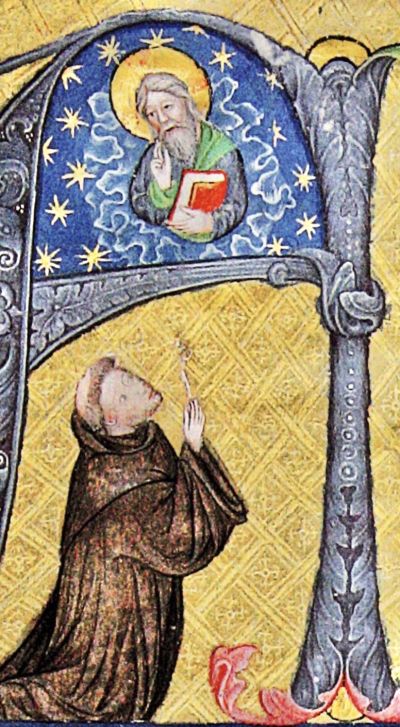
From the inside and in domestic (Lk 13:18-21) The two parables were set forth at a time of doubt about the Master’s proposal and the mission of his intimates. A…
Published in
Commento breve
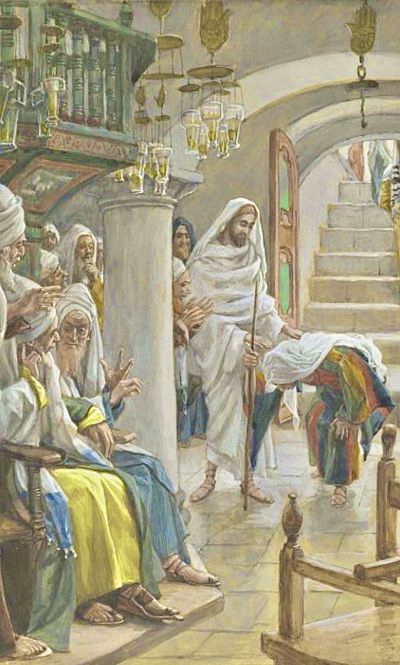
Theatrical actors and neutrality (Lk 13:10-17) Old and new opinions or common ideas stand in the way of life that calls, that reveals something else, that ignites passions, that wants…
Published in
Commento precedente
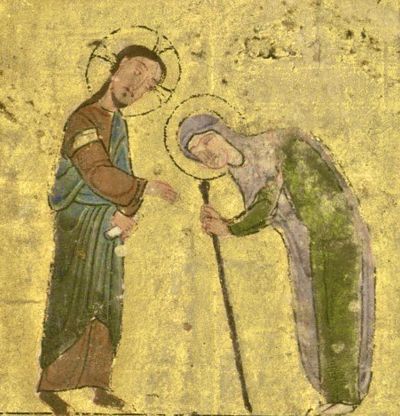
Jesus poses a question to those present, following the healing of a bent woman: «Now this woman, being a daughter of Abraham [...] should she not have been loosed from…
Published in
Aforisma
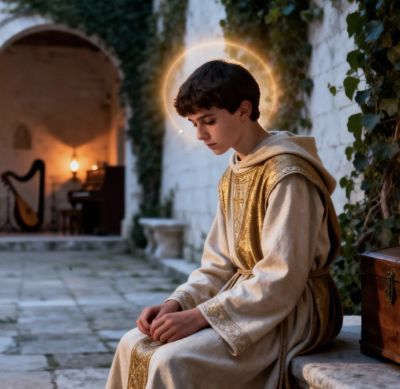
The two parables described in the passage from Luke highlight the characteristics of the Kingdom of God: hiddenness and smallness, which have the power to make the Good News rise.…
Published in
Angolo dell'avanguardista
2. Jesus says: "The Kingdom of God is like a man who sows a seed in the earth: sleep or wake, night or day, the seed germinates and grows; how,…
Published in
Angolo dell'ottimista

Being Christians, we know that the future is ours and the tree of the Church is not a tree that is dying but a tree that constantly puts out new…
Published in
Angolo del tradizionalista
Do Christians 'really believe' in the 'power of the Holy Spirit' within them? And do they have the courage to "sow the seed", to get involved, or do they take…
Published in
Angolo dell'apripista
I read in the newspaper that some peacocks have invaded a small town. The news was published some time ago – except that a few days ago the newspaper reported…
Published in
Angolo dell'artista

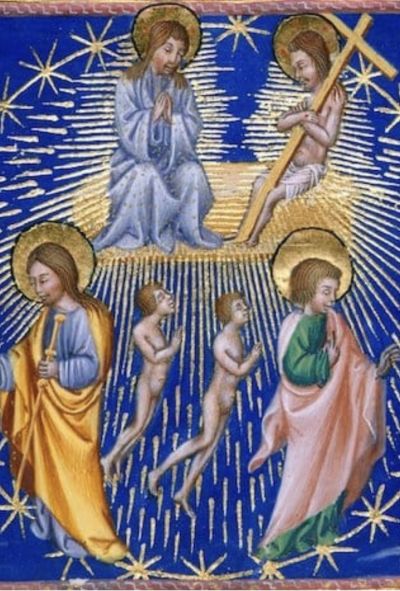
[1–2 November] First Reading from the Book of Revelation (Rev 7:2–4, 9–14) 1. Saint John recounts and describes a vision: ‘I, John, saw an angel ascending from the east, from…
Published in
Angolo della Pia donna
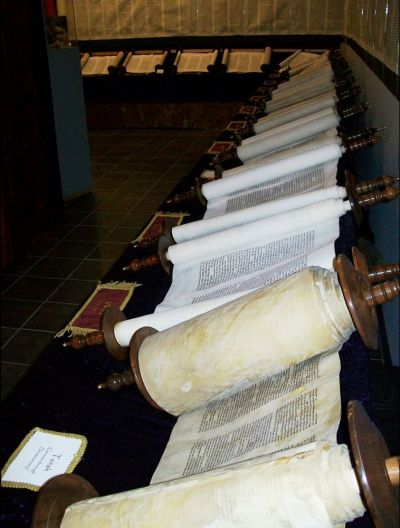
(Mt 5:1–12a) 1 When Jesus saw the crowds, he went up the mountain; he sat down, and his disciples came to him. 2 He began to speak and teach them,…
Published in
Art'working
The room of Happiness, in the decisive horizon (Lk 12:54-59) "Now why do you not also judge for yourselves what is right?" (v.57). From nature and happenings we need to…
Published in
Preghiera critica
From within and in the domestic (Lk 13:18-21) The two parables were expounded at a time of doubt about the Master's proposal and the mission of his people. Could a…
Published in
Rivoluzione della Tenerezza
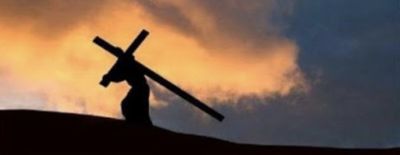
Theatre actors and neutrality (Luke 13:10-17) Our passion for a full existence would like to guide us who knows where, but sometimes there is an external force that holds us…
Published in
Croce e Vuoto
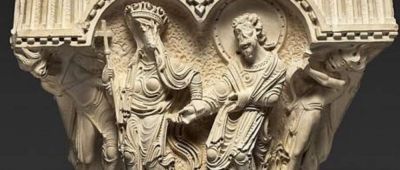
Only Quality is binding. No forced compliance (Mt 22:34–40) Jesus turns what was the most trivial of catechism questions into a crucial issue: what is the ‘great’ commandment? Despite the…
Published in
il Mistero
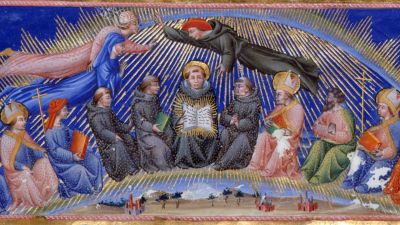
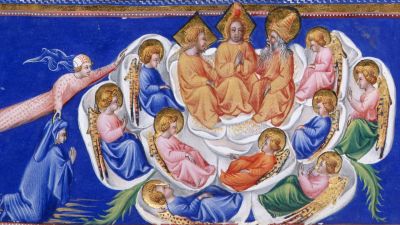
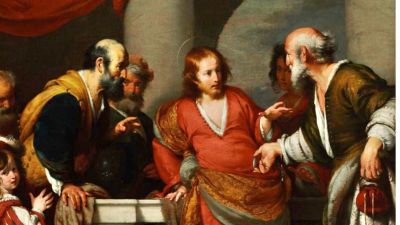
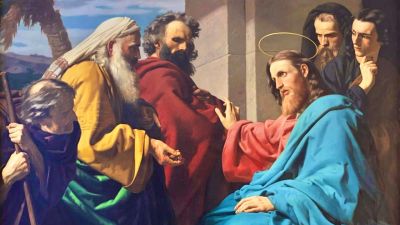
There are also serious, dangerous omissions and we have to recognize with healthy realism that in this way things are not all right, it is not all right when errors are made. However, we must also be certain at the same time that if, here and there, the Church is dying because of the sins of men and women, because of their non-belief, at the same time she is reborn (Pope Benedict)
Ci sono anche cadute gravi, pericolose, e dobbiamo riconoscere con sano realismo che così non va, non va dove si fanno cose sbagliate. Ma anche essere sicuri, allo stesso tempo, che se qua e là la Chiesa muore a causa dei peccati degli uomini, a causa della loro non credenza, nello stesso tempo, nasce di nuovo (Papa Benedetto)
The question makes apparent the concern, present in ancient Jewish tradition, over finding a unifying principle in the various formulations of God's will […] Emphasis is placed on the totality of this dedication to God, listing the three faculties that define man in his deep psychological structures: heart, soul and mind. The word mind, diánoia, contains the rational element (Pope Benedict)
La domanda lascia trasparire la preoccupazione, presente nell’antica tradizione giudaica, di trovare un principio unificatore delle varie formulazioni della volontà di Dio […] L’accento è posto sulla totalità di questa dedizione a Dio, elencando le tre facoltà che definiscono l’uomo nelle sue strutture psicologiche profonde: cuore, anima e mente. Il termine mente, diánoia, contiene l’elemento razionale (Papa Benedetto)
A “year” of grace: the period of Christ’s ministry, the time of the Church before his glorious return, an interval of our life (Pope Francis)
Un “anno” di grazia: il tempo del ministero di Cristo, il tempo della Chiesa prima del suo ritorno glorioso, il tempo della nostra vita (Papa Francesco)
The Church, having before her eyes the picture of the generation to which we belong, shares the uneasiness of so many of the people of our time (Dives in Misericordia n.12)
Avendo davanti agli occhi l'immagine della generazione a cui apparteniamo, la Chiesa condivide l'inquietudine di tanti uomini contemporanei (Dives in Misericordia n.12)
Addressing this state of mind, the Church testifies to her hope, based on the conviction that evil, the mysterium iniquitatis, does not have the final word in human affairs (Pope John Paul II)
Di fronte a questi stati d'animo la Chiesa desidera testimoniare la sua speranza, basata sulla convinzione che il male, il mysterium iniquitatis, non ha l'ultima parola nelle vicende umane (Papa Giovanni Paolo II)
Jesus reminds us today that the expectation of the eternal beatitude does not relieve us of the duty to render the world more just and more liveable (Pope Francis)
Gesù oggi ci ricorda che l’attesa della beatitudine eterna non ci dispensa dall’impegno di rendere più giusto e più abitabile il mondo (Papa Francesco)
Those who open to Him will be blessed, because they will have a great reward: indeed, the Lord will make himself a servant to his servants — it is a beautiful reward — in the great banquet of his Kingdom He himself will serve them [Pope Francis]
E sarà beato chi gli aprirà, perché avrà una grande ricompensa: infatti il Signore stesso si farà servo dei suoi servi - è una bella ricompensa - nel grande banchetto del suo Regno passerà Lui stesso a servirli [Papa Francesco]








duevie.art
don Giuseppe Nespeca
Tel. 333-1329741
Disclaimer
Questo blog non rappresenta una testata giornalistica in quanto viene aggiornato senza alcuna periodicità. Non può pertanto considerarsi un prodotto editoriale ai sensi della legge N°62 del 07/03/2001.
Le immagini sono tratte da internet, ma se il loro uso violasse diritti d'autore, lo si comunichi all'autore del blog che provvederà alla loro pronta rimozione.
L'autore dichiara di non essere responsabile dei commenti lasciati nei post. Eventuali commenti dei lettori, lesivi dell'immagine o dell'onorabilità di persone terze, il cui contenuto fosse ritenuto non idoneo alla pubblicazione verranno insindacabilmente rimossi.