Feb 26, 2026 Written by 

Homicidal vintners, and the true enemy of God

(Mt 21:33-43.45-46)


Christ introduces everyone to an adventurous, uncomfortable journey, not without pitfalls that throw the situation upside down and destabilize - but it’s the Way for each of us to recognize himself.

Otherwise we would not get closer to the Source of perception, imagination, reality and creativity - virtues that are necessary for rebirth, even from global emergency.

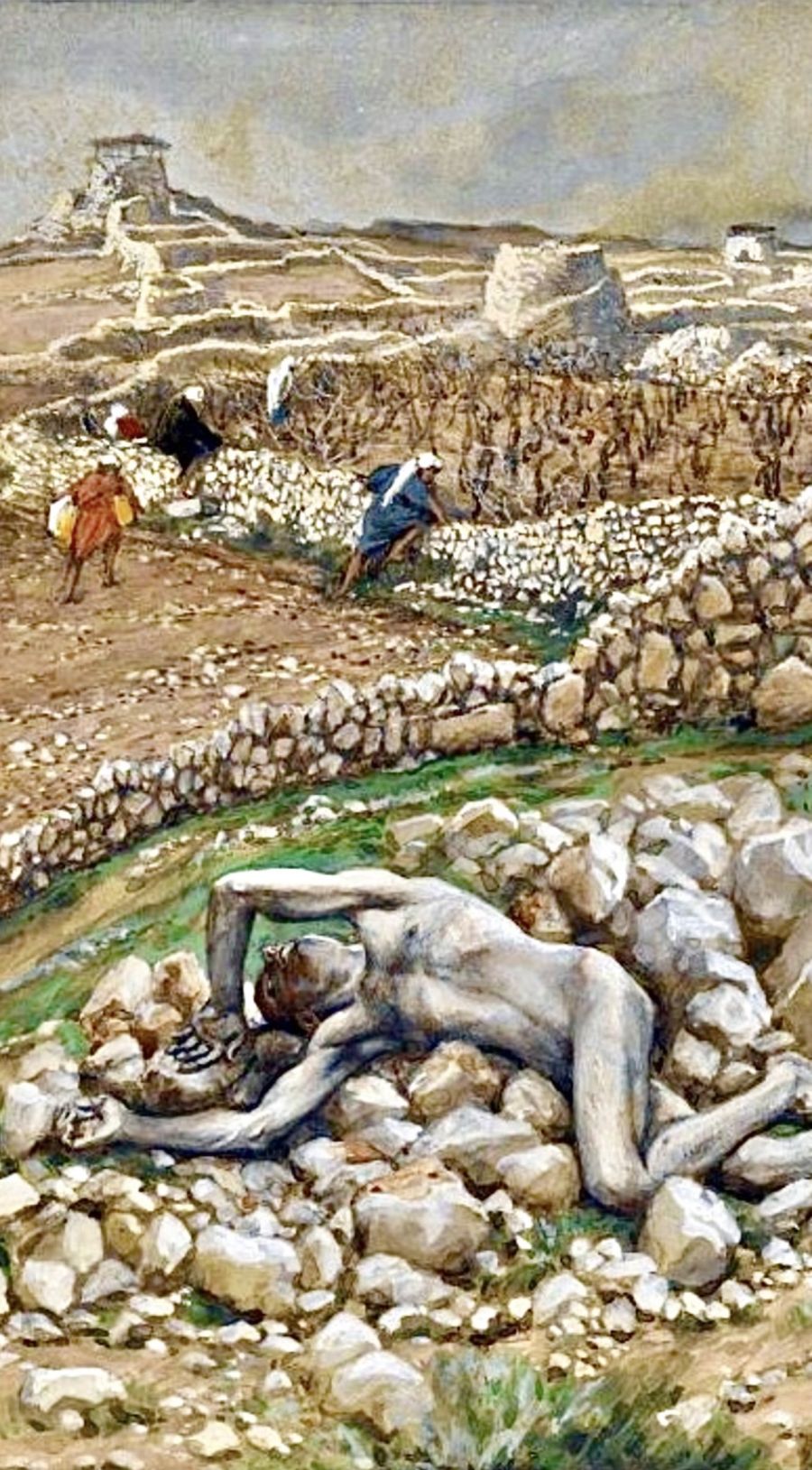
Jesus uses the figure of the Vineyard to describe the work of God and the response of men - first and foremost spiritual leaders (v.23).

Religious leaders were like this: hostile to divine action; equipped to appear, nevertheless violent and sclerotic.

The directors to whom Jesus addresses, follow the entire metaphor step by step - and they seem to find themselves unguarded. They only remain speechless at the end.

Why does He ask them imperatively: «Listen you» [which is not a simple invitation]?

From the beginning speaks with a master tone. Why?

He’s Lord of those to whom he actually addresses: the Christ so much invoked by new caste of "pharisees" back in the communities, where top of the class already claimed to manage the Vineyard in their own way.

In no uncertain terms, the parable denounces the abuse of authority perpetrated in third generation assemblies, especially by their chiefs.

Church elders who were already annoyed at taking care of the little people, who on the other hand came to the threshold of the communities with the hope of being welcomed.

Conversely, it was precisely these «last» the new prophets called by God to awaken the immobility situation (of bosses) - comparable to the same swampy reality of other religions of time.


Everywhere and even today some potentates discriminate and manipulate consciences in order to protect their world - by eliminating Jesus Present, who recurs in the small, innocent and transparent ones.

Veterans accustomed to directing do not notice that they are decreeing their own condemnation (v. 41).

Of course, Christ doesn’t intend to ridicule anyone: He wanted to lead people to ‘tell the truth’ about themselves.

In Gospel the behavior of the titled people doesn’t change. On the contrary, feeling unmasked gets worse it, and only the hesitation of losing face in public can restrain them (vv.45-46).

But now they know who they are - so much so that they are ashamed to openly plot.

Categories that are considered closer to Paradise - those who produce inedible grapes - excluded from the testimony of the Kingdom innervated by tinies’ crowd.

There will inevitably be a new beginning, and the replacement of inept settlers (v.43).

It’s «good news»: the Eternal one achieves his purpose despite the repeated refusals of those who should serve Him, and instead use Him.

In short, for Jesus the great enemy of God is expediency.


Even amidst ungenerous brutality and accusations of being deluded dreamers, new and more faithful Heralds of the Spirit are ready for succession.

An unstoppable course, sprinkled by the stream of blood of the prophets (v.46).

Outcasts, shunned, expelled, and to be crushed - but not locked into mental patterns: capable of giving free rein to regenerative energies.


Consciousness of the world, divorced from compromise.


[Friday 2nd wk. in Lent, March 6, 2026]

20 Last modified on Thursday, 26 February 2026 05:56
don Giuseppe Nespeca

Giuseppe Nespeca è architetto e sacerdote. Cultore della Sacra scrittura è autore della raccolta "Due Fuochi due Vie - Religione e Fede, Vangeli e Tao"; coautore del libro "Dialogo e Solstizio".

The image of the vineyard is clear: it represents the people whom the Lord has chosen and formed with such care; the servants sent by the landowner are the prophets, sent by God, while the son represents Jesus. And just as the prophets were rejected, so too Christ was rejected and killed (Pope Francis)
L’immagine della vigna è chiara: rappresenta il popolo che il Signore si è scelto e ha formato con tanta cura; i servi mandati dal padrone sono i profeti, inviati da Dio, mentre il figlio è figura di Gesù. E come furono rifiutati i profeti, così anche il Cristo è stato respinto e ucciso (Papa Francesco)
‘Lazarus’ means ‘God helps’. Lazarus, who is lying at the gate, is a living reminder to the rich man to remember God, but the rich man does not receive that reminder. Hence, he will be condemned not because of his wealth, but for being incapable of feeling compassion for Lazarus and for not coming to his aid. In the second part of the parable, we again meet Lazarus and the rich man after their death (vv. 22-31). In the hereafter the situation is reversed [Pope Francis]
“Lazzaro” significa “Dio aiuta”. Lazzaro, che giace davanti alla porta, è un richiamo vivente al ricco per ricordarsi di Dio, ma il ricco non accoglie tale richiamo. Sarà condannato pertanto non per le sue ricchezze, ma per essere stato incapace di sentire compassione per Lazzaro e di soccorrerlo. Nella seconda parte della parabola, ritroviamo Lazzaro e il ricco dopo la loro morte (vv. 22-31). Nell’al di là la situazione si è rovesciata [Papa Francesco]
Brothers and sisters, a frequent flaw of those in authority, whether civil or ecclesiastic authority, is that of demanding of others things — even righteous things — that they do not, however, put into practise in the first person. They live a double life. Jesus says: “They bind heavy burdens, hard to bear, and lay them on men’s shoulders; but they themselves will not move them with their finger (v.4). This attitude sets a bad example of authority, which should instead derive its primary strength precisely from setting a good example. Authority arises from a good example, so as to help others to practise what is right and proper, sustaining them in the trials that they meet on the right path. Authority is a help, but if it is wrongly exercised, it becomes oppressive; it does not allow people to grow, and creates a climate of distrust and hostility, and also leads to corruption (Pope Francis)
Fratelli e sorelle, un difetto frequente in quanti hanno un’autorità, sia autorità civile sia ecclesiastica, è quello di esigere dagli altri cose, anche giuste, che però loro non mettono in pratica in prima persona. Fanno la doppia vita. Dice Gesù: «Legano infatti fardelli pesanti e difficili da portare e li pongono sulle spalle della gente, ma essi non vogliono muoverli neppure con un dito» (v.4). Questo atteggiamento è un cattivo esercizio dell’autorità, che invece dovrebbe avere la sua prima forza proprio dal buon esempio. L’autorità nasce dal buon esempio, per aiutare gli altri a praticare ciò che è giusto e doveroso, sostenendoli nelle prove che si incontrano sulla via del bene. L’autorità è un aiuto, ma se viene esercitata male, diventa oppressiva, non lascia crescere le persone e crea un clima di sfiducia e di ostilità, e porta anche alla corruzione (Papa Francesco)
This is the road Jesus points out to all who want to be his disciples: "Judge not... condemn not... forgive, and you will be forgiven; give, and it will be given to you.... Be merciful, even as your Father is merciful" (Lk 6: 36-38). In these words we find very practical instructions for our daily conduct as believers [Pope Benedict]

Due Fuochi due Vie - Vol. 1 Due Fuochi due Vie - Vol. 2 Due Fuochi due Vie - Vol. 3 Due Fuochi due Vie - Vol. 4 Due Fuochi due Vie - Vol. 5 Dialogo e Solstizio I fiammiferi di Maria

duevie.art

don Giuseppe Nespeca

Tel. 333-1329741


Disclaimer

Questo blog non rappresenta una testata giornalistica in quanto viene aggiornato senza alcuna periodicità. Non può pertanto considerarsi un prodotto editoriale ai sensi della legge N°62 del 07/03/2001.
Le immagini sono tratte da internet, ma se il loro uso violasse diritti d'autore, lo si comunichi all'autore del blog che provvederà alla loro pronta rimozione.
L'autore dichiara di non essere responsabile dei commenti lasciati nei post. Eventuali commenti dei lettori, lesivi dell'immagine o dell'onorabilità di persone terze, il cui contenuto fosse ritenuto non idoneo alla pubblicazione verranno insindacabilmente rimossi.






