Jan 2, 2026 Written by 

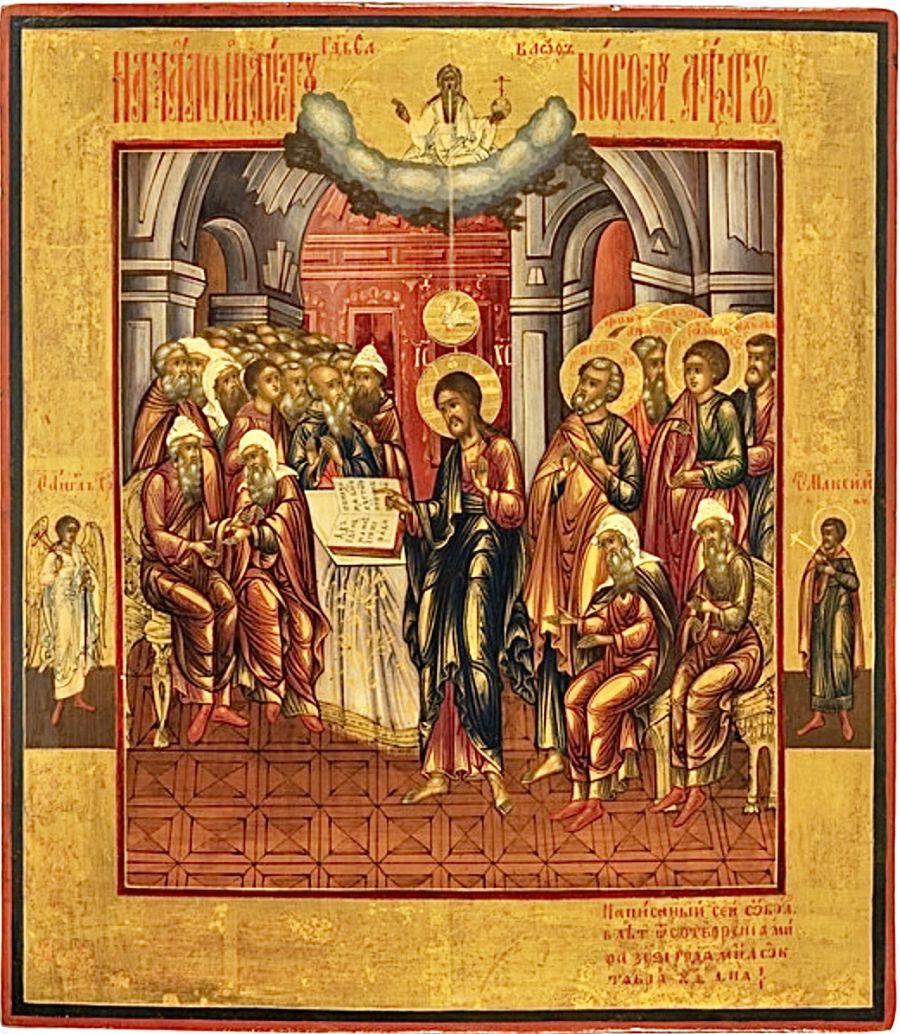
«The Spirit of the Lord upon me, therefore, has anointed me to proclaim the Good News to the poor»

Francis had been mocked and treated like a madman in his native Assisi, looked down upon as an unclean cloth by the 'good people' of the place, sunk in feudal solace and entertainment.

After his conversion, invested by the power of the Spirit, he had understood that his mission was to proclaim the joyful message of the Father to the poor, proclaiming the year of grace of the Lord with the concrete witness of his life.

This had placed him on the track of the poverty of the Son of God, making himself one with it wherever he saw it.

The Sources, teachers of lived life, inform us:

"He stooped, with marvellous tenderness and compassion, towards anyone afflicted by some physical suffering, and when he noticed in someone indigence or need, in the sweet pity of his heart, he regarded it as a suffering of Christ himself.

He had an innate feeling of clemency, which the pity of Christ, infused from above, multiplied.

He felt his heart melt in the presence of the poor and the sick, and when he could not offer help, he offered his affection.

One day, a friar responded rather harshly to a poor man, who asked for alms in an importunate manner.

Hearing this, the pitiful lover of the poor commanded the friar to prostrate himself naked at the poor man's feet, to plead guilty, and to ask him in charity to pray for him and forgive him.

The friar did so, and the Father commented sweetly:

"Brother, when you see a poor person, the mirror of the Lord and his poor Mother is placed before you. Likewise in the sick, know how to see the infirmities with which Jesus clothed Himself".

In all the poor, he, himself poor and very Christian, saw the image of Christ. Therefore when he met them, he generously gave them everything they had given him, even the necessities of life; indeed, he was convinced that he had to give it back to them, as if it were their property" (FF 1142).

The voice of the Lord had been heard in his heart for some time, inviting him to fulfil a specific and new mission, by the Spirit.

After a vision given to him from on high, a divine Voice had spoken to him and Francis had responded:

"Lord, what do you want me to do?".

"Return to your land," replied the Lord, "because the vision, which you have had, represents a spiritual mission, which must be fulfilled in you, not by human disposition, but by divine disposition" (FF 1032).

Francis could indeed repeat loudly:

«The Spirit of the Lord is upon me, therefore he has anointed me to proclaim the Good News to the poor» (Lk 4:18).

Wherever he found himself, in church or in the open air, before the poor or the haughty, he never feared to incarnate the prophecy-mission that had touched and chosen him.

To the dispossessed of his time as to those of every age he proclaimed the Good News of the Kingdom with tenacious relevance.


Proper Feria, January 10

139 Last modified on Friday, 02 January 2026 05:39
Teresa Girolami

Teresa Girolami è laureata in Materie letterarie e Teologia. Ha pubblicato vari testi, fra cui: "Pellegrinaggio del cuore" (Ed. Piemme); "I Fiammiferi di Maria - La Madre di Dio in prosa e poesia"; "Tenerezza Scalza - Natura di donna"; co-autrice di "Dialogo e Solstizio".

Email This email address is being protected from spambots. You need JavaScript enabled to view it.
The Kingdom of God grows here on earth, in the history of humanity, by virtue of an initial sowing, that is, of a foundation, which comes from God, and of a mysterious work of God himself, which continues to cultivate the Church down the centuries. The scythe of sacrifice is also present in God's action with regard to the Kingdom: the development of the Kingdom cannot be achieved without suffering (John Paul II)
Il Regno di Dio cresce qui sulla terra, nella storia dell’umanità, in virtù di una semina iniziale, cioè di una fondazione, che viene da Dio, e di un misterioso operare di Dio stesso, che continua a coltivare la Chiesa lungo i secoli. Nell’azione di Dio in ordine al Regno è presente anche la falce del sacrificio: lo sviluppo del Regno non si realizza senza sofferenza (Giovanni Paolo II)
For those who first heard Jesus, as for us, the symbol of light evokes the desire for truth and the thirst for the fullness of knowledge which are imprinted deep within every human being. When the light fades or vanishes altogether, we no longer see things as they really are. In the heart of the night we can feel frightened and insecure, and we impatiently await the coming of the light of dawn. Dear young people, it is up to you to be the watchmen of the morning (cf. Is 21:11-12) who announce the coming of the sun who is the Risen Christ! (John Paul II)
Per quanti da principio ascoltarono Gesù, come anche per noi, il simbolo della luce evoca il desiderio di verità e la sete di giungere alla pienezza della conoscenza, impressi nell'intimo di ogni essere umano. Quando la luce va scemando o scompare del tutto, non si riesce più a distinguere la realtà circostante. Nel cuore della notte ci si può sentire intimoriti ed insicuri, e si attende allora con impazienza l'arrivo della luce dell'aurora. Cari giovani, tocca a voi essere le sentinelle del mattino (cfr Is 21, 11-12) che annunciano l'avvento del sole che è Cristo risorto! (Giovanni Paolo II)
Christ compares himself to the sower and explains that the seed is the word (cf. Mk 4: 14); those who hear it, accept it and bear fruit (cf. Mk 4: 20) take part in the Kingdom of God, that is, they live under his lordship. They remain in the world, but are no longer of the world. They bear within them a seed of eternity a principle of transformation [Pope Benedict]
Cristo si paragona al seminatore e spiega che il seme è la Parola (cfr Mc 4,14): coloro che l’ascoltano, l’accolgono e portano frutto (cfr Mc 4,20) fanno parte del Regno di Dio, cioè vivono sotto la sua signoria; rimangono nel mondo, ma non sono più del mondo; portano in sé un germe di eternità, un principio di trasformazione [Papa Benedetto]
In one of his most celebrated sermons, Saint Bernard of Clairvaux “recreates”, as it were, the scene where God and humanity wait for Mary to say “yes”. Turning to her he begs: “[…] Arise, run, open up! Arise with faith, run with your devotion, open up with your consent!” [Pope Benedict]
San Bernardo di Chiaravalle, in uno dei suoi Sermoni più celebri, quasi «rappresenta» l’attesa da parte di Dio e dell’umanità del «sì» di Maria, rivolgendosi a lei con una supplica: «[…] Alzati, corri, apri! Alzati con la fede, affrettati con la tua offerta, apri con la tua adesione!» [Papa Benedetto]
«The "blasphemy" [in question] does not really consist in offending the Holy Spirit with words; it consists, instead, in the refusal to accept the salvation that God offers to man through the Holy Spirit, and which works by virtue of the sacrifice of the cross [It] does not allow man to get out of his self-imprisonment and to open himself to the divine sources of purification» (John Paul II, General Audience July 25, 1990)

Due Fuochi due Vie - Vol. 1 Due Fuochi due Vie - Vol. 2 Due Fuochi due Vie - Vol. 3 Due Fuochi due Vie - Vol. 4 Due Fuochi due Vie - Vol. 5 Dialogo e Solstizio I fiammiferi di Maria

duevie.art

don Giuseppe Nespeca

Tel. 333-1329741


Disclaimer

Questo blog non rappresenta una testata giornalistica in quanto viene aggiornato senza alcuna periodicità. Non può pertanto considerarsi un prodotto editoriale ai sensi della legge N°62 del 07/03/2001.
Le immagini sono tratte da internet, ma se il loro uso violasse diritti d'autore, lo si comunichi all'autore del blog che provvederà alla loro pronta rimozione.
L'autore dichiara di non essere responsabile dei commenti lasciati nei post. Eventuali commenti dei lettori, lesivi dell'immagine o dell'onorabilità di persone terze, il cui contenuto fosse ritenuto non idoneo alla pubblicazione verranno insindacabilmente rimossi.






