


don Giuseppe Nespeca
Giuseppe Nespeca è architetto e sacerdote. Cultore della Sacra scrittura è autore della raccolta "Due Fuochi due Vie - Religione e Fede, Vangeli e Tao"; coautore del libro "Dialogo e Solstizio".
Blasphemy does not consist in offending the Holy Spirit with words
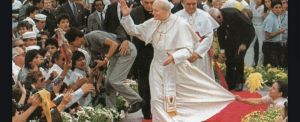
And when he foretells to his disciples that persecution awaits them, with imprisonment and interrogation, he adds: "Do not worry about what you will have to say, but say what will be given you at that hour: for it is not you who speak, but the Holy Spirit" (Mk 13:11). "The Holy Spirit will teach you at that time what you have to say" (Lk 12, 12).
5. The synoptic Gospels record another statement by Jesus in his instructions to the disciples that cannot fail to impress. It concerns "blasphemy against the Holy Spirit". He says: "Whoever speaks against the Son of Man will be forgiven him, but whoever blasphemes the Holy Spirit will not be forgiven him" (Lk 12:10; cf. Mt 12:32; Mk 3:29). These words create a problem of greater theological and ethical magnitude than one might think, on the surface of the text. "Blasphemy" (of which we are speaking) does not really consist in offending the Holy Spirit with words; instead, it consists in refusing to accept the salvation that God offers to man through the Holy Spirit, and which works by virtue of the sacrifice of the cross. . If blasphemy against the Holy Spirit can be remitted neither in this life nor in the life to come, it is because this 'non-remission' is linked, as its cause, to 'non-penitence', that is, to the radical refusal to be converted . . . Now blasphemy against the Holy Spirit is the sin committed by man, who claims his supposed 'right' to persevere in evil - in any sin - and thus refuses redemption . . . (It) does not allow man to come out of his self-prison and open himself to the divine sources of purification of conscience and remission of sins' (Dominum et vivificantem, 46). This is the exact inversion of the condition of docility and communion with the Father, in which Jesus lives in prayer and action, and which he teaches and recommends to man as an inner attitude and as a principle of action.
6. In the whole of the preaching and action of Jesus Christ, which flows from his union with the Holy Spirit-Love, is contained an immense richness of heart: "Learn from me, who am meek and humble of heart," he exhorts, "and you will find rest for your souls" (Mt 11:29), but present at the same time is all the firmness of the truth about the kingdom of God, and therefore the insistent invitation to open one's heart, under the action of the Holy Spirit, to be admitted to it and not be excluded from it.
In all of this, the "power of the Holy Spirit" is revealed, and indeed the Holy Spirit Himself is manifested by His presence and action as the Paraclete, the comforter of man, the confirmer of divine truth, the eradicator of the "master of this world".
[Pope John Paul II, General Audience 25 July 1990]
Closure to mercy
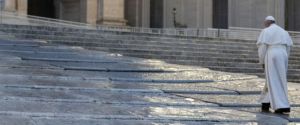
Jesus reacted with firm and clear words; he did not tolerate this, because those scribes, perhaps without realizing it, were falling into the gravest sin: denying and blaspheming against God’s Love which is present and active in Jesus. And blasphemy, the sin against the Holy Spirit, is the one unforgivable sin — as Jesus said — because it comes from closing the heart to God’s mercy which acts in Jesus.
[Pope Francis, Angelus 10 June 2018]
Distort oneself to gain consent? No, there is a great destiny of Uniqueness

The Afterlife is not inaccurate
(Lk 12:1-7)
Gospel according to Mk identifies the «leaven of the Pharisees» with the ideology of power.
Instead, Lk speaks of it to denounce the emphasis and inner duplicity of the authorities.
Jesus’ call against the hypocrisy or «theatricality» of the official religion that abandons people to themselves, is «first to his disciples» (v.1).
At all times Christ opposes those who play a role, lose their nature and become artificial, using God to be feared and respected.
Women and men of Faith are already enabled in Christ and at the center of their essence; they must not bend to chase artifacted voices of the world outside: they do not bring Eternity.
Rather, sons yearn to be transparent, clear, sincere.
Non-negotiable principle is not to hide the truth. This, starting from one’s own innate inclination-character that comes before the role.
And leaders must encourage everyone to find their way, each foretasting the value, the fate of the unrepeatability in person - not being great insiders, with a completely different purpose.
For this reason, in the risen churches in Christ all the masks that grips people that have little energy, out of the loop, those arrived last, marginalized, misunderstood, "inadequate", lonely, must fall.
No one has the right to destroy another person’s soul.
Nor can he subjugate its own heart - without losing the truly pure vocational seed, full of a priceless name; though in tiny appearance.
Also the scene of the spontaneous examples that Jesus draws from nature - an echo of the conciliatory life dreamed for us by the Father - introduces to Happiness that makes us aware of existing in all personal reality.
In fact, the Gospel passage shows the value of genuine, silent, inconspicuous things, which however live in us - they are not "shadows". And we perceive them without effort or brain commitment.
In the time of epochal choices, of emergencies that seem to put all in check but intend to make anyone less artificial - such awareness can overturn the judgment on the ‘small’ and the ‘great’.
In fact, for the love adventure there is neither accounting nor clamor.
It is in God and in the reality the ‘place’ for each of us without lacerations.
The afterlife is not inaccurate.
We must not distort ourselves, in order to have consent... let alone for the ‘Heaven’ that overcomes death.
The destiny of uniqueness does not fall into ruin: it is precious and dear, as it is in nature.
It is necessary to see its Beauty, future and already current.
With immediate gain marginalised [any social guarantee not pertaining to the value of smallness], there will be no more need to identify with the skeletons of established or fashionable thinking and manners.
Nor will it count to be (each!) placed above and in front: rather in the background, already rich and perfect, in the intimate sense of the fullness of being.
That way, we won’t have to trample over one another (v.1)... not even to meet Jesus.
[Friday 28th wk. in O.T. October 16, 2026]
The Hereafter is not an unspecified reality
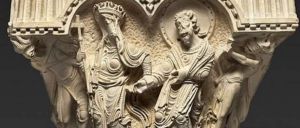
Snubbing for consent? No, there is a great destiny of Oneness
(Lk 12:1-7))
"Meanwhile, as the crowd had gathered in myriads, to trample on one another"... the Lord's criticism of the religious authorities who were putting on unbearable external theatrics appears profound, ruthless.
But Jesus' call against the hypocrisy or "theatricality" of official religion is "first to his disciples" (v.1).
Paraphrasing the encyclical Brothers All, the Master's call aims at immediately dropping "the trick of those stereotypes" with which we disguise our "ego, always concerned with image [so that there may emerge] that blessed common belonging from which we cannot shirk: belonging as brothers" [no.3].
In every age, Christ is opposed to those who play a role, lose their nature, and become artificial, using God to be feared and respected - imagining that he is grabbing the masses, the irresistible approval he craves.
Instead, the heart of the Most High is "boundless, capable of going beyond distances" [3] and any manipulation.
All humanity is devoted to the freedom of being; it proceeds with passion towards what it desires - spontaneously and simply. It does not move to chronicle external 'cultural' situations that do not make us find the Way.
Even in one's relationship with God, it is important not to stifle one's own inclinations: there is no dialogue of friendship or love, nor wonder and joy, without respect for one's own natural, multifaceted exceptionality.
Thus He does not like anyone copying (even today, e.g. the great saints or certain models of the ecclesial paradigm), losing his own essence and personality - and in them the call to his global, unrepeatable mission.
Conformism to the socially narcissistic, or devout and circumstantial paradigm, does not allow the soul and the world to be given the turning points that unlock and activate.
This is far beyond the options of conformist nomenclature - and would make us fly, even for rebirth from crisis.
In the gospel passage, people seem abandoned to themselves (v.1). The very attempt [out of fear] to queue up and imitate, attenuates and distorts us.
After all, the official leaders showed no interest in the realisation, the full joy of the little people: for them only a necessity of the audience, and everything else a nuisance.
Thus, in order to keep the masses on a leash, they gladly inoculated them with unnecessary turmoil of conscience.
Sometimes, in order to strike one and educate a hundred... here were violent restrictions and personal or social blackmail (v.4).
The Gospel of Mk identifies the "leaven of the Pharisees" with the ideology of power.
Lk, on the other hand, speaks of it to denounce the emphasis and inner duplicity of the captains of religious, community office; a combination that overturns both principles and appearances.
The evangelist fears the insidious attitude of incoherence, hidden by catwalks [albeit of a pious character] that enchant the simple. By trickery, they can in fact take root in the life and style of the leaders of the first communities of believers.
Women and men of Faith are in Christ already empowered and at the centre of their own essence; they must not bend to chase after artificial voices from the world outside: they do not bring Eternity.
Rather, they yearn to be transparent, clear, sincere.
A non-negotiable principle is not to hide the truth. This from one's own innate inclination - a character that comes before the secondary task assigned by others.
And the 'leaders' must encourage so that each one can find his or her way, giving a foretaste of the value, the destiny of the unrepeatable as a person - not being a great insider, with an entirely different purpose.
That is why, in churches resurrected in Christ, all the masks that cling to people with little energy, out of the loop, last in line, marginalised, misunderstood, 'inadequate', lonely, must fall.
No one has the power to kill another's soul.
Nor can one subjugate one's own - without losing the truly pure vocational seed, imbued with a priceless name; albeit in a pitiful, tiny guise.
The recovery of dignity, and the concern for the spiritual human advancement of the least, of everyone, flows into the ideal of the Kingdom with its doors wide open: the 'open fraternity' and frankness of which the aforementioned social encyclical speaks at length.
Conversely, "the 'every man for himself' will quickly turn into 'all against all', and this will be worse than a pandemic" (n.36).
In short, it is necessary to remember that 'we are all in the same boat' [as Francis prayed in the deserted St. Peter's Square] including the distant, the weak and those considered inconvenient.
Even the scene of the spontaneous examples that Jesus draws from nature - an echo of the conciliatory life dreamt for us by the Father - introduces us to the Happiness that makes us aware of existing in all personal reality.Indeed, the Gospel passage shows the value of genuine, silent, unremarkable things, which nevertheless inhabit us - they are not 'shadows'. And we perceive them without effort or cerebral commitment.
In the time of epochal choices, of emergencies that seem to checkmate us but intend to make us less artificial - such awareness can overturn our judgement of substance, of the 'small' and the 'great'.
Indeed, for the adventure of love there is no accounting or clamour.
It is in God and in reality the 'place' for each of us without lacerations.
The hereafter is not imprecise.
One does not have to distort oneself for consent... least of all for the 'Heaven' that conquers death.
The destiny of oneness does not go to ruin: it is precious and dear, as it is in nature.
One must glimpse its Beauty, future and already present.
Once immediate gain [any social guarantee not pertaining to the value of littleness] is marginalised, there will no longer be any need to identify with the skeletons of established or fashionable thinking and manners.
Nor will it matter to place oneself above and in front: rather in the background, already rich and perfect, in the intimate sense of the fullness of being.
So we will not have to trample on each other (v.1)... even to meet Jesus.
Existing fully

All of us today are well aware that by the term "Heaven" we are not referring to somewhere in the universe, to a star or such like; no. We mean something far greater and far more difficult to define with our limited human conceptions. With this term "Heaven" we wish to say that God, the God who made himself close to us, does not abandon us in or after death but keeps a place for us and gives us eternity. We mean that in God there is room for us. To understand this reality a little better let us look at our own lives. We all experience that when people die they continue to exist, in a certain way, in the memory and heart of those who knew and loved them. We might say that a part of the person lives on in them but it resembles a "shadow" because this survival in the heart of their loved ones is destined to end. God, on the contrary, never passes away and we all exist by virtue of his love. We exist because he loves us, because he conceived of us and called us to life. We exist in God's thoughts and in God's love. We exist in the whole of our reality, not only in our "shadow". Our serenity, our hope and our peace are based precisely on this: in God, in his thoughts and in his love, it is not merely a "shadow" of ourselves that survives but rather we are preserved and ushered into eternity with the whole of our being in him, in his creator love. It is his Love that triumphs over death and gives us eternity and it is this love that we call "Heaven": God is so great that he also makes room for us. And Jesus the man, who at the same time is God, is the guarantee for us that the being-man and the being-God can exist and live, the one within the other, for eternity.
This means that not only a part of each one of us will continue to exist, as it were pulled to safety, while other parts fall into ruin; on the contrary it means that God knows and loves the whole of the human being, what we are. And God welcomes into his eternity what is developing and becoming now, in our life made up of suffering and love, of hope, joy and sorrow. The whole of man, the whole of his life, is taken by God and, purified in him, receives eternity. Dear Friends! I think this is a truth that should fill us with deep joy. Christianity does not proclaim merely some salvation of the soul in a vague afterlife in which all that is precious and dear to us in this world would be eliminated, but promises eternal life, "the life of the world to come". Nothing that is precious and dear to us will fall into ruin; rather, it will find fullness in God. Every hair of our head is counted, Jesus said one day (cf. Mt 10: 30). The definitive world will also be the fulfilment of this earth, as St Paul says: "Creation itself will be set free from its bondage to decay and obtain the glorious liberty of the children of God" (Rom 8: 21). Then we understand that Christianity imparts a strong hope in a bright future and paves the way to the realization of this future. We are called, precisely as Christians, to build this new world, to work so that, one day, it may become the "world of God", a world that will surpass all that we ourselves have been able to build.
[Pope Benedict, homily, 15 August 2010]
Personal unity and duality
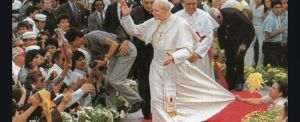
1. Man, created in the image of God, is both a physical and spiritual being, that is, a being who is connected to the external world in one respect and transcends it in another. As spirit as well as body, he is a person. This truth about man is the object of our faith, as is the biblical truth about his constitution in the 'image and likeness' of God; and it is a truth that has been constantly presented throughout the centuries by the Magisterium of the Church.
The truth about man has never ceased to be the subject of intellectual analysis throughout history, both in philosophy and in numerous other human sciences: in a word, the subject of anthropology.
2. That man is an incarnate spirit, if you will, a body informed by an immortal spirit, can already be gleaned in some way from the description of creation contained in the Book of Genesis and in particular from the "Yahwist" account, which makes use, so to speak, of "staging" and anthropomorphic images. We read that 'the Lord God formed man from the dust of the ground and breathed into his nostrils the breath of life, and man became a living being' (Gen 2:7). The rest of the biblical text allows us to understand clearly that man, created in this way, is distinct from the entire visible world, and in particular from the world of animals. The 'breath of life' enabled man to know these beings, to name them and to recognise himself as different from them (cf. Gen 2:18-20). Although the 'Yahwist' description does not mention the 'soul', it is easy to deduce that the life given to man in the act of creation is of such a nature as to transcend the simple bodily dimension (that of animals). It draws, beyond materiality, on the dimension of the spirit, in which lies the essential foundation of that 'image of God' that Genesis 1:27 sees in man.
3. Man is a unity: he is someone who is one with himself. But this unity contains a duality. Sacred Scripture presents both unity (the person) and duality (the soul and the body). Consider, for example, the Book of Sirach, which says: "The Lord created man from the earth and returns him to it again" and further on: "He gave them (men) discernment, tongue, eyes, ears and heart to reason. He filled them with doctrine and intelligence and also showed them good and evil" (Sir 17:1, 5-6).
Particularly significant from this point of view is Psalm 8 (Ps 8:5-7), which exalts the human masterpiece, addressing God with the following words: "What is man that you are mindful of him, the son of man that you care for him? Yet you have made him little less than the angels, you have crowned him with glory and honour; you have given him power over the works of your hands. You have put everything under his feet."
4. It is often emphasised that the biblical tradition highlights above all the personal unity of man, using the term "body" to designate the whole man (cf. Ps 145 (144):21; Jn 3:1; Is 66:23; Jn 1:14). This observation is correct. But this does not mean that the biblical tradition does not also present, sometimes very clearly, the duality of man. This tradition is reflected in the words of Christ: "Do not be afraid of those who kill the body but cannot kill the soul; rather, be afraid of the one who can destroy both soul and body in Gehenna" (Mt 10:28).
5. Biblical sources authorise us to see man as a personal unity and at the same time as a duality of soul and body: a concept that has found expression in the entire Tradition and teaching of the Church. This teaching has incorporated not only biblical sources, but also the theological interpretations that have been given to them, developing the analyses conducted by certain schools (Aristotle) of Greek philosophy.
It was a slow process of reflection, culminating mainly under the influence of St Thomas Aquinas - in the pronouncements of the Council of Vienne (1312), where the soul is called the 'form' of the body: 'forma corporis humani per se et essentialiter' (DS 902). The 'form', as the factor that determines the substance of being 'human', is spiritual in nature. And this spiritual 'form', the soul, is immortal. This is what the Fifth Lateran Council (1513) authoritatively recalled: the soul is immortal, unlike the body, which is subject to death (cf. DS 1440). At the same time, Thomistic theology emphasises that, by virtue of the substantial union of body and soul, the latter, even after death, does not cease to 'aspire' to be united with the body. This is confirmed by the revealed truth about the resurrection of the body.
6. Although the philosophical terminology used to express the unity and complexity (duality) of man is sometimes criticised, there is no doubt that the doctrine on the unity of the human person and, at the same time, on the spiritual-corporal duality of man is fully rooted in Sacred Scripture and Tradition. And although it is often expressed that man is 'the image of God' because of his soul, traditional doctrine does not exclude the belief that the body also participates, in its own way, in the dignity of the 'image of God', just as it participates in the dignity of the person.
7. In modern times, a particular difficulty against the revealed doctrine concerning the creation of man as a being composed of soul and body has been raised by the theory of evolution. Many scholars of the natural sciences who, using their own methods, study the problem of the beginning of human life on earth, maintain—against other colleagues—not only the existence of a link between man and the whole of nature, but also the derivation of the higher animal species. This problem, which has occupied scientists since the last century, involves broad sections of public opinion. The response of the Magisterium was offered in the encyclical Humani generis by Pius XII in 1950. In it we read: "The Magisterium of the Church has nothing against the doctrine of 'evolutionism', insofar as it investigates the origin of the human body from pre-existing and living matter - Catholic faith in fact obliges us to hold firmly that souls were created immediately by God - being the subject of investigation and discussion by experts . . ." (DS 3896).
It can therefore be said that, from the point of view of the doctrine of the faith, there is no difficulty in explaining the origin of man, as a body, through the hypothesis of evolutionism. However, it must be added that the hypothesis proposes only a probability, not a scientific certainty. The doctrine of the faith, on the other hand, invariably affirms that the spiritual soul of man is created directly by God. That is, according to the hypothesis mentioned above, it is possible that the human body, following the order imprinted by the Creator in the energies of life, was gradually prepared in the forms of earlier living beings. The human soul, however, on which the humanity of man ultimately depends, being spiritual, cannot have emerged from matter.
8. A beautiful synthesis of the above creation can be found in the Second Vatican Council: 'The unity of soul and body,' it says, 'man synthesises in himself, by his very bodily condition, the elements of the material world, so that through him they reach their summit' (Gaudium et Spes, 14). And further on: "Man, however, is not mistaken in recognising himself as superior to bodily things and considering himself more than just a particle of nature... In fact, in his interiority, he transcends the universe" (Gaudium et Spes, 14). Here, then, is how the same truth about the unity and duality (complexity) of human nature can be expressed in language closer to the contemporary mindset.
[Pope John Paul II, General Audience, 16 April 1986]
Feeling that the Father may abandon them
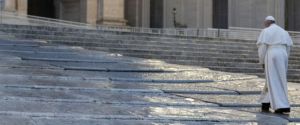
Jesus indicates as the third type of test that the Apostles will have to face, the sensation, which some may feel, that God himself has abandoned them, remaining distant and silent. Here too, Jesus exhorts them not to fear, because even while experiencing these and other pitfalls, the life of disciples lies firmly in the hands of God who loves us and looks after us. They are like three temptations: to sugar-coat the Gospel, to water it down; second: persecution; and third: the feeling that God has left us alone. Even Jesus suffered this trial in the Garden of Olives and on the Cross: “Father, why have you forsaken me?”, Jesus asks. At times one feels this spiritual barrenness; we must not fear it. The Father takes care of us, because our value is great in His eyes. What matters is frankness, the courage of our witness, our witness of faith: “recognizing Jesus before men” and going forth doing good.
May Mary Most Holy, model of trust and abandonment in God in the hour of adversity and danger, help us never to surrender to despair, but rather always to entrust ourselves to Him and to his grace, because God’s grace is ever more powerful than evil.
[Pope Francis, Angelus, 21 June 2020]
Alas, for the blood of the Witnesses
The true upper dimension
(Lk 11:47-54)
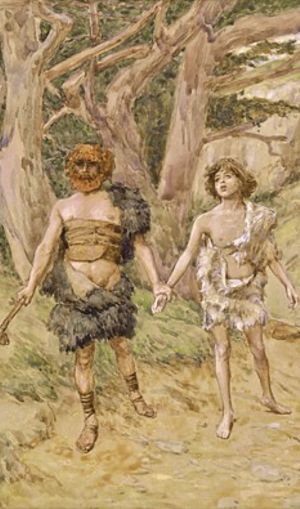
«I will send them prophets and apostles, and they will kill and persecute» (v.49).
Living word in every age, Jesus regrets the confusing professionals of judgment and impediment, who unfortunately also relived in his first communities (v.52).
The “learned” in ancient religion closed the doors of the “realm” in which God reigns, considering it property - all identified with their perspectives [and lust for prestige].
Out of habit of feeling revered, the "experts" and "pure" really believed they had exclusive possession of the codes of the Kingdom, old and new. As a result, they felt entitled to have univocal influence on souls.
Everything almost as ancient times. Despite the Lord, "ductees" continued to proclaim themselves leaders of the people.
They willingly persecuted those who tried to sift through their message - manipulative, exclusive, based on the subjection of the most motivated sensitive hearts.
Instead of offering a deep understanding, the (few) first of the class did not bring any significant light to the many in need who were waiting for help.
Yet the “directors” did nothing but reassure: everything goes smoothly and the problem is the "differents" - who had not yet "understood".
Victims were collateral damage: foreseeable sufferings.
Useless travails?
The Lord, the great enemy of the leaders of conventional theology, questioned not only doctrine, but the entire house of cards and system of mutual positions, titles, connections, and privileges.
Therefore: Jesus either becomes our hostage or he must not get away with it (vv.53-54).
Fathers kill the prophets, godsons sweeten crime - as if nothing had happened [below, approving the misdeed]. Also because the deceased no longer speaks, nor does anyone bother.
A marked fate, that of critical witnesses - because they do not even know how to devise escape routes. They have no experience of it, they never did.
In this way, the list of martyrs «from the blood of Abel» remains open, unfortunately.
But - due to the perennial insipidity of power - their path leads sisters and brothers to life without limits, to the higher and exalting dimension of the Encounter that matters.
Our nature is to be ‘sons’, naive and innocent. We cannot bring ourselves to deny who we are, always calculating or adapting to the situation of the forces at play.
In every external condition, our task remains to make Christ the Lamb present, and to make people think.
The pyramids that supplant the authentic Messiah with that of unilateral banners feel threatened by the demands of the Gospel.
To such partnerships, closed in partial truths - defended with violence and subterfuge - will be asked account for the sacrifice of all the even minimal prophets and shaky who collected the Testament.
We will not lose motivation. We will continue to touch the flesh of Christ.
[Thursday 28th wk. in O.T. October 15, 2026]
Alas for the blood of the Witnesses
The true higher dimension
(Lk 11:47-54)
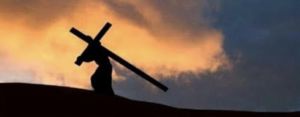
"I will send them prophets and apostles, and they will kill and persecute them" (v. 49).
A living word for all times, Jesus laments the confusing professionals of judgement and impediment, who unfortunately also live on in his communities:
"Woe to you, teachers of the law, who have taken away the key of knowledge! You yourselves have not entered, and you have hindered those who were entering" (v. 52).
The experts of the ancient religion closed the doors to the realm where God reigns.
First the chosen people, then the Church of the elect, who already made it opaque, considering it their property - identified entirely with their perspectives [and prestige, as well as revenues].
Accustomed to being revered, the 'experts' and 'pure' truly believed that they had exclusive possession of the codes of the Kingdom, old and new. As a result, they felt entitled to have sole influence over souls.
Everything was almost as it had been before the Lord. The learned continued to proclaim themselves guides of the people.
They willingly persecuted those who attempted to scrutinise their own message – manipulative, exclusive, based on the subjugation of the most motivated sensitive hearts.
Instead of offering deep understanding, the top of the class brought no meaningful light to the many needy people who, on the contrary, were waiting for them to help them and learn to face the Truth.
The astute expectations and consortial world of the directors began once again to be linked solely to the fear that someone might grow in awareness and overshadow the ridiculous prestige of ageing, deviant guides.
So they did nothing but reassure: everything is going smoothly and the problem is the 'different' ones - who still hadn't 'understood'. The victims were collateral damage: predictable suffering.
Useless troubles?
Frankly, the 'reflection' that false leaders still peddle today is so clouded and imperfect that it is child's play to understand its contradictions and remove all obstacles to effective proclamation, catechesis, animation and pastoral care, aimed at the interests of the people and not at the ideas and cunning of established congregations.
The Lord, the great enemy of the leaders of habitual theology, questioned not only doctrine, but the entire house of cards that was the religious system [mutual positions, titles, connections, and benefices].
So it was decided: Jesus must either become our hostage or he must not get away with it (vv. 53-54).
The accredited monopoly translated into imposition, which left no room for ideas and innovations that would qualify those destined for the rear.
Therefore, the leaders found themselves 'forced' to expand the false teachings drawn from religions: here again was an almighty Eternal One, lawgiver and judge.
Not the Creator, lover of the exuberance and variety of life; not the Liberator of intelligence and breath of the people.
In a thousand ways and festivals, those who considered themselves the only interpreters of the things of God - for their own gain - were already falsifying the image of the Church and hindering the possibility of recognising Jesus alive.
In doing so, they killed the desire of the most motivated to embark on a new and personal Exodus, in search of the divine-human fullness and lovability that emancipated everyone, not just the cliques.
Fathers kill prophets, godchildren sugarcoat the crime – as if nothing had happened [secretly approving of the misdeed].
This is also because the deceased no longer speaks, nor does he bother anyone, least of all his silent accomplices.
The fate of critical witnesses is sealed - because they cannot even devise escape routes. They have no experience of this, they have never done it before.
In this way, the list of martyrs 'from the blood of Abel' remains open, unfortunately. But - perennial ignorance of power - their path leads their brothers to a life without limits, to the higher and exhilarating dimension of the Encounter that matters.
Our nature is to be children, naive and innocent. We cannot bring ourselves to deny ourselves, making calculations or adapting to the situation of the forces at play.
In every external condition, our task remains to make Christ the Lamb present and to make people think.
Pope Francis emphasises and reiterates (Fratelli Tutti): as Christians, we cannot hide the fact that 'if the music of the Gospel ceases to resonate in our hearts, we will have lost the joy that comes from compassion, the tenderness that comes from trust, the capacity for reconciliation that finds its source in knowing that we are always forgiven and sent forth. If the music of the Gospel ceases to play in our homes, in our squares, in our workplaces, in politics and in the economy, we will have silenced the melody that inspired us to fight for the dignity of every man and woman" (n.277).The pyramids that supplant the authentic Messiah with that of unilateral banners feel threatened by the demands of the Gospel.
Such alliances, closed in partial truths - defended with violence and subterfuge - will be called to account for the sacrifice of all the prophets and lambs, however small, who have gathered the Testament.
We will not lose our motivation. We will continue to touch the flesh of Christ.
To internalise and live the message:
What help or difficulties have you encountered, even within the Church, in proclaiming and bearing witness to the profound Truth of the Gospels?
Values and emotional independence
Placing oneself in the events of persecution
(Lk 21:12-19)
The course of history is a time in which God composes the confluence of our freedom and circumstances.
In these folds there is often a vector of life, an essential aspect, a definitive fate, which escapes us.
But to the discerning eye of the person of Faith, even abuse and martyrdom are a gift.
To learn the important lessons of life, every day the believer ventures into what he or she is afraid to do, overcoming fears.
The gratuitous, spousal love received places us in a condition of reciprocity, of an active desire to unite our lives to Christ - albeit in the meagerness of our responses.
If, on the other hand, we continue to complain about failures, dangers and calamities, everyone will see us as ordinary women and men - and everything will end at this level.
We will not be on the other side.
At best, we will try to escape the harshness, or we will end up looking for allies of circumstance (vv. 14-15).
Luke intends to help his communities to challenge worldly logic and to place themselves fervently in the events of persecution.
Social oppression is not inevitable, but rather an opportunity for mission; a place of high Eucharistic witness (v. 13).
The persecuted do not need external crutches, nor should they live in the anguish of collapse.
They have the task of being signs of the Kingdom of God, which gradually brings those who are far away and even the usurpers themselves to a different awareness.
No one is the arbiter of reality, and all are twigs subject to upheaval, but in the humanising condition of the apostles, an emotional independence shines through.
This is due to the intimate, living sense of a Presence and the interpretation of external events as the exceptional action of the Father revealing himself.
In this malleable energetic magma, unique paths emerge, unprecedented opportunities for growth... even in adversity.
An attitude without excuses or rock-solid certainties: with the sole conviction that everything will be put back into play [not through effort: simply by shifting one's gaze].
Sacred and profane time coincide in a fervent Covenant, which nestles and nurtures fruit even in moments of travail and paradox.
Here, the only resource needed is the spiritual strength to go all the way... into the contradictions of the other side.
Thus, even the family or 'clan' to which one belongs must be led to a different world of beliefs, not without painful conflicts (v. 16).
The Torah itself required the denunciation of those unfaithful to the religion of their fathers - even close relatives - to the point of putting them to death (Deut. 13:7-12) [in fact, only to designate the seriousness of that type of transgression].
The Announcement could only cause extreme divisions, and on fundamental issues such as success or progress in this life - the vision of a new world, of the utopia of other people's needs.
Everything will seem to conspire and mock our ideal (v. 17).
The reference to the Name alludes to the historical story of Jesus of Nazareth, with his burden not only of ideal and explicit goodness, but also of denunciation against the official institution and the false guides who had seized the God of the Exodus.
Despite interference, being misunderstood, slandered, ridiculed, blackmailed and hated... anchored to Christ, we will experience that the stages of history and life proceed towards Hope.
God's 'protection' does not preserve us from dark times or from suffering harm, but it guarantees that nothing will be lost, not even a hair (v. 18).
This spontaneous example that Jesus draws from nature—an echo of the conciliatory life dreamed of for us by the Father—introduces us to the Happiness that makes us aware of our existence in all our personal reality.
The expression shows the value of things that are genuine, silent, unspectacular, but which inhabit us - they are not 'shadows'. And we perceive them without effort or mental exertion.
In a time of momentous choices, of emergencies that seem to put everything in check—but want to make us less artificial—such awareness can overturn our judgement of substance, of the small and the great.
In fact, for the adventure of love, there is no accounting or clamour.
It is in the Lord and in the insidious or summary reality that the 'place' for each of us lies. Not without lacerations.Yet we draw spiritual energy from the knowledge of Christ, from the sense of deep connection with Him and with reality, even when it is minute and varied, or fearsome - always personal (v.18).
And (precisely) the afterlife is not vague.
We must not distort ourselves to gain approval... least of all for the 'Heaven' that conquers death.
The destiny of uniqueness is not ruined: it is precious and dear, as it is in nature.
We must glimpse its Beauty, future and already present.
Nor will it matter to place oneself above and in front: rather, in the background, already rich and perfect, in the intimate sense of the fullness of being.
In this way, we will not have to trample on each other (Lk 12:1)... even to meet Jesus.
'We are utterly lost if we lack this particular individuality, the only thing we can truly call our own - and whose loss is also a loss for the whole world. It is also precious because it is not universal'.
(Rabindranath Tagore)
Jesus warns us: we cannot count on unassailable friendships, nor on human powers arrayed in defence of the earthly fabric.
Even those we believed to be close to us will scrutinise us with suspicion: the price of truth always lies in choosing the opposite of the world of lies [even sacred, outdated or ephemeral] that are all united against it.
Our story will not be like an easy novel with a happy ending.
But we will have the opportunity to bear witness in the present to the most genuine ancient roots: that at every moment God calls, manifests himself - and what seems like failure becomes Food and the source of Life.
Stubborn only in the change of proportions, between stripping away and elevation. In the contrast between the criteria and the very foundations of thinking.
To internalise and live the message:
What kind of reading do you do, and how do you place yourself in the events of persecution?
Are you aware that obstacles do not come from despair, but rather to free you from being trapped in stagnant cultural patterns (which are not your own)?
On the other side of the world
Christians must therefore always be found on the 'other side' of the world, the one chosen by God: not persecutors, but persecuted; not arrogant, but meek; not snake oil salesmen, but submissive to the truth; not impostors, but honest.
This fidelity to the style of Jesus – which is a style of hope – until death, will be called by the early Christians with a beautiful name: 'martyrdom', which means 'witness'. There were many other possibilities offered by the vocabulary: it could have been called heroism, self-denial, self-sacrifice. Instead, the early Christians called it by a name that smacks of discipleship. Martyrs do not live for themselves, they do not fight to assert their own ideas, and they accept that they must die only for fidelity to the Gospel. Martyrdom is not even the supreme ideal of Christian life, because above it there is charity, that is, love for God and neighbour. The Apostle Paul says this very well in his hymn to charity, understood as love for God and neighbour. The Apostle Paul says this very well in his hymn to charity: 'If I give away all my possessions, and if I deliver my body to be burned, but have not charity, I gain nothing' (1 Cor 13:3). Christians are repulsed by the idea that suicide bombers can be called "martyrs": there is nothing in their end that can be compared to the attitude of the children of God.
Sometimes, when we read the stories of so many martyrs of yesterday and today – who are more numerous than the martyrs of early times – we are amazed at the fortitude with which they faced their trials. This fortitude is a sign of the great hope that animated them: the certain hope that nothing and no one could separate them from the love of God given to us in Jesus Christ (cf. Rom 8:38-39).
May God always give us the strength to be his witnesses. May he grant us to live Christian hope, especially in the hidden martyrdom of doing our daily duties well and with love. Thank you.
(Pope Francis, General Audience, 28 June 2017)
The Blood Theme

The theme of blood, linked to that of the Paschal Lamb, is of primary importance in Sacred Scripture. In the Old Testament, aspersion with the blood of sacrificed animals represented and established the covenant between God and his People, as we read in the Book of Exodus: "and Moses took the blood and threw it upon the people, and said, "Behold the blood of the covenant which the Lord has made with you in accordance with all these words' " (Ex 24: 8).
Jesus refers explicitly to this formula during the Last Supper, when, offering the cup to the disciples, he says: "This is my blood of the covenant, which is poured out for many for the forgiveness of sins" (Mt 26: 28). And effectively, from the scourging to the piercing of his side after his death on the Cross, Christ poured out all his Blood as the true Lamb sacrificed for the redemption of all. The salvific value of his Blood is expressly stated in many passages of the New Testament. It suffices to mention, in this Year for Priests, the beautiful words of the Letter to the Hebrews: "Christ... entered once for all into the Holy Place, taking not the blood of goats and calves but his own Blood, thus securing an eternal redemption. For if the sprinkling of defiled persons with the blood of goats and bulls and with the ashes of a heifer sanctifies for the purification of the flesh, how much more shall the Blood of Christ, who through the eternal Spirit offered himself without blemish to God, purify your conscience from dead works to serve the living God" (9: 11-14).
Dear Brothers, it is written in Genesis that the blood of Abel, killed by his brother Caine, cries to God from the earth (cf. 4: 10). And, unfortunately, today as in the past, this cry never ceases, as human blood continues to be shed because of violence, injustice and hatred. When will human beings learn that life is sacred and belongs to God alone? When will they understand that we are all brothers and sisters? To the cry which rises from so many parts of the earth for the blood that is spilled, God responds with the Blood of his Son, who gave his life for us. Christ did not respond to evil with evil but with goodness, with his infinite love. The Blood of Christ is the pledge of God's faithful love for humanity. Every human being, even in conditions of extreme moral wretchedness can say, fixing his eyes on the wounds of the Crucified One: "God has not abandoned me, he loves me, he has given his life for me", and thus rediscover hope. May the Virgin Mary, who at the foot of the Cross together with the Apostle John received the testament of Jesus' Blood, help us to rediscover the inestimable richness of this grace and to feel deep and everlasting gratitude for it.
[Pope Benedict, Angelus 5 July 2009]
A “year” of grace: the period of Christ’s ministry, the time of the Church before his glorious return, an interval of our life (Pope Francis)
Un “anno” di grazia: il tempo del ministero di Cristo, il tempo della Chiesa prima del suo ritorno glorioso, il tempo della nostra vita (Papa Francesco)
The Church, having before her eyes the picture of the generation to which we belong, shares the uneasiness of so many of the people of our time (Dives in Misericordia n.12)
Avendo davanti agli occhi l'immagine della generazione a cui apparteniamo, la Chiesa condivide l'inquietudine di tanti uomini contemporanei (Dives in Misericordia n.12)
Addressing this state of mind, the Church testifies to her hope, based on the conviction that evil, the mysterium iniquitatis, does not have the final word in human affairs (Pope John Paul II)
Di fronte a questi stati d'animo la Chiesa desidera testimoniare la sua speranza, basata sulla convinzione che il male, il mysterium iniquitatis, non ha l'ultima parola nelle vicende umane (Papa Giovanni Paolo II)
Jesus reminds us today that the expectation of the eternal beatitude does not relieve us of the duty to render the world more just and more liveable (Pope Francis)
Gesù oggi ci ricorda che l’attesa della beatitudine eterna non ci dispensa dall’impegno di rendere più giusto e più abitabile il mondo (Papa Francesco)
Those who open to Him will be blessed, because they will have a great reward: indeed, the Lord will make himself a servant to his servants — it is a beautiful reward — in the great banquet of his Kingdom He himself will serve them [Pope Francis]
E sarà beato chi gli aprirà, perché avrà una grande ricompensa: infatti il Signore stesso si farà servo dei suoi servi - è una bella ricompensa - nel grande banchetto del suo Regno passerà Lui stesso a servirli [Papa Francesco]
The fool in the Bible, the one who does not want to learn from the experience of visible things, that nothing lasts for ever but that all things pass away, youth and physical strength, amenities and important roles. Making one's life depend on such an ephemeral reality is therefore foolishness (Pope Benedict)
L’uomo stolto nella Bibbia è colui che non vuole rendersi conto, dall’esperienza delle cose visibili, che nulla dura per sempre, ma tutto passa: la giovinezza come la forza fisica, le comodità come i ruoli di potere. Far dipendere la propria vita da realtà così passeggere è, dunque, stoltezza (Papa Benedetto)
As sometimes happens in the Gospel, faced with the trap set by his enemies, Jesus, with his response, rises above the contingent controversy and goes far beyond the particular and mutually divergent positions (Pope John Paul II)
Come talora accade nel Vangelo, di fronte al tranello mossogli dai suoi nemici, Gesù, con la sua risposta, s’innalza al di sopra della polemica contingente e va ben oltre le posizioni particolari e tra loro divergenti (Papa Giovanni Paolo II)
And blasphemy, the sin against the Holy Spirit, is the one unforgivable sin — as Jesus said — because it comes from closing the heart to God’s mercy which acts in Jesus (Pope Francis)
The great thinker Romano Guardini wrote that the Lord “is always close, being at the root of our being. Yet we must experience our relationship with God between the poles of distance and closeness. By closeness we are strengthened, by distance we are put to the test” (Pope Benedict)








duevie.art
don Giuseppe Nespeca
Tel. 333-1329741
Disclaimer
Questo blog non rappresenta una testata giornalistica in quanto viene aggiornato senza alcuna periodicità. Non può pertanto considerarsi un prodotto editoriale ai sensi della legge N°62 del 07/03/2001.
Le immagini sono tratte da internet, ma se il loro uso violasse diritti d'autore, lo si comunichi all'autore del blog che provvederà alla loro pronta rimozione.
L'autore dichiara di non essere responsabile dei commenti lasciati nei post. Eventuali commenti dei lettori, lesivi dell'immagine o dell'onorabilità di persone terze, il cui contenuto fosse ritenuto non idoneo alla pubblicazione verranno insindacabilmente rimossi.