Jul 24, 2026 Written by 

The struggle for Liberation from the corrupt

Prophecy, Revelation

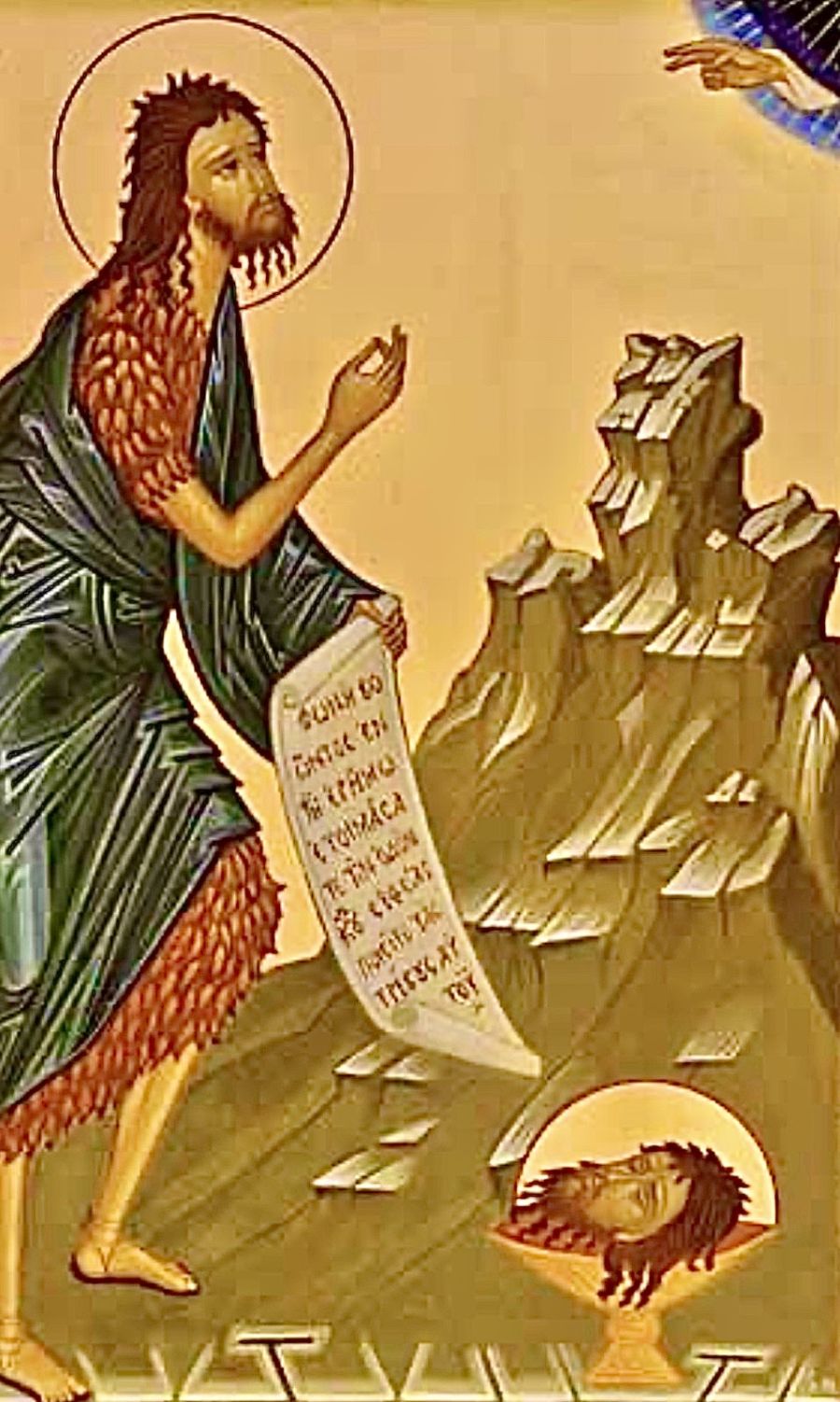
(Mt 14:1-12)


Those who are cloaked in luster and power become ambitious, bold and willing to any violence for a false point of honor.

The courageous who denounces abuse is cut off, but the voice of his martyrdom will no longer be silent. That is why the episode does not induce Jesus to greater prudence.

Tyrants mock the isolated, uncomfortable and defenceless, but leaders and powerful are also cowards: they do not intend to alienate popular fame from themselves.

Besides being spineless, here Herod Antipas appears superstitious, even influenced by Hellenistic beliefs about the reappearance of the dead.

In addition, he thought of the men of God as doers of “miracles” - an ambiguous term, which some new translations avoid (cf. v.2).

Jesus never attended the new Herodian capital, Tiberias, the city of court palaces, built in diplomatic homage to the Roman emperor - after Sepphoris, where Jesus also worked.


Generic and confusing religiosity can adapt to every season and be made their own even by those who think that the others’ lives are worth nothing, but a Prophet does not settle on the whim of corrupt systems.

In the Palestinian villages the life of the people was harassed by taxes and abuses of landowners [who did not even reside on the spot] and controlled by the perfect combination of interests between civil and religious power.

The leaders of the popular faith, orthodox, subordinate and “befitting”, were at leash of the authorities on the territory. They considered themselves definitive, and found strength in the coalition.

It seemed absurd that in that society someone dared to break through the omertous wall that guaranteed the troublemakers - the guides, the bullies even of the lowest level - to consider themselves untouchable.

Faced with the blackmail (without too many compliments) of the privileged who had control of every social and cultural class, it seemed impossible to start a new path, or say and do anything not aligned.


The question of "Jesus, Who is he?» grows throughout the Gospels.

The statement of people's opinions (e.g. Mt 14:1-2; Mk 6:14-16; Lk 9:7-9) suggests that even around the first assemblies of believers there was an attempt to understand Christ from what was already known [from the criteria of Scripture and tradition, from ancient - even superstitious - beliefs and suggestions].

But the man of God is not simply a purifier of the Temple, nor a patchworker of conformist religiosity. He overturns popular, emotional or standard hopes.

In this way, each Prophet troubles all the “rank and file” characters, who hold the exclusiveness.


John and Jesus challenge and attract upon themselves the revenge of those who try to perpetuate the prerogatives of the old cosmos, and the wrath of those who are exposed in their hypocrisies.

It is the real difficulty that the Proclamation of the New Kingdom in the world encounters. 

His contemptuous refusal and each assassination attempt will be a litmus test of our singular and renewed testimony, the revelation of which will run parallel to the Two.


[Saturday 17th wk. in O.T.  August 1st, 2026]

95 Last modified on Friday, 24 July 2026 04:31
don Giuseppe Nespeca

Giuseppe Nespeca è architetto e sacerdote. Cultore della Sacra scrittura è autore della raccolta "Due Fuochi due Vie - Religione e Fede, Vangeli e Tao"; coautore del libro "Dialogo e Solstizio".

We see this great figure, this force in the Passion, in resistance to the powerful. We wonder: what gave birth to this life, to this interiority so strong, so upright, so consistent, spent so totally for God in preparing the way for Jesus? The answer is simple: it was born from the relationship with God (Pope Benedict)
Noi vediamo questa grande figura, questa forza nella passione, nella resistenza contro i potenti. Domandiamo: da dove nasce questa vita, questa interiorità così forte, così retta, così coerente, spesa in modo così totale per Dio e preparare la strada a Gesù? La risposta è semplice: dal rapporto con Dio (Papa Benedetto)
Christian's are a priestly people for the world. Christians should make the living God visible to the world, they should bear witness to him and lead people towards him (Pope Benedict)
I cristiani sono popolo sacerdotale per il mondo. I cristiani dovrebbero rendere visibile al mondo il Dio vivente, testimoniarLo e condurre a Lui (Papa Benedetto)
Christ says: the kingdom of heaven is similar "to a net thrown into the sea, which gathers all kinds of fish" (Mt 13:47). These simple words completely change the physiognomy of the world: the physiognomy of our human world, as we make it [Pope John Paul II]
Cristo dice: il regno dei cieli è simile “a una rete gettata nel mare, che raccoglie ogni genere di pesci” (Mt 13,47). Queste semplici parole mutano completamente la fisionomia del mondo: la fisionomia del nostro mondo umano, come noi ce la facciamo [Papa Giovanni Paolo II]
Christ is not resigned to the tombs that we have built for ourselves (Pope Francis)
Cristo non si rassegna ai sepolcri che ci siamo costruiti (Papa Francesco)
Many situations, then, which unfortunately do not conform to the legitimate predictions and rules established, are anything but negative; and instead of taking away confidence for the harassment they cause, They should have it more generous and far-sighted in favor of their process of responsible decantation (Pope Paul VI)
Molte situazioni, poi, che non sono purtroppo conformi alle legittime previsioni e alle norme stabilite, sono tutt’altro che del tutto negative; e invece di togliere la fiducia per la molestia che arrecano, esse dovrebbero averla più generosa e lungimirante in favore del loro processo di responsabile decantazione (Papa Paolo VI)
We must not fear the humility of taking little steps, but trust in the leaven that penetrates the dough and slowly causes it to rise (cf. Mt 13:33) [Pope Benedict]
Occorre non temere l’umiltà dei piccoli passi e confidare nel lievito che penetra nella pasta e lentamente la fa crescere (cfr Mt 13,33) [Papa Benedetto]
The joy of the Gospel fills the hearts and lives of all who encounter Jesus. Those who accept his offer of salvation are set free from sin, sorrow, inner emptiness and loneliness. With Christ joy is constantly born anew [Evangelii Gaudium n.1]
La gioia del Vangelo riempie il cuore e la vita intera di coloro che si incontrano con Gesù. Coloro che si lasciano salvare da Lui sono liberati dal peccato, dalla tristezza, dal vuoto interiore, dall’isolamento. Con Gesù Cristo sempre nasce e rinasce la gioia [Evangelii Gaudium n.1]
The Spirit of the Lord continues to pour out his gifts upon the Church to guide us into all truth, to show us the meaning of the Scriptures and to make us credible heralds of the word of salvation before the world [Pope Benedict, Verbum Domini]
Lo Spirito del Signore continua ad effondere i suoi doni sulla Chiesa perché siamo condotti alla verità tutta intera [Papa Benedetto, Verbum Domini]

Due Fuochi due Vie - Vol. 1 Due Fuochi due Vie - Vol. 2 Due Fuochi due Vie - Vol. 3 Due Fuochi due Vie - Vol. 4 Due Fuochi due Vie - Vol. 5 Dialogo e Solstizio I fiammiferi di Maria

duevie.art

don Giuseppe Nespeca

Tel. 333-1329741


Disclaimer

Questo blog non rappresenta una testata giornalistica in quanto viene aggiornato senza alcuna periodicità. Non può pertanto considerarsi un prodotto editoriale ai sensi della legge N°62 del 07/03/2001.
Le immagini sono tratte da internet, ma se il loro uso violasse diritti d'autore, lo si comunichi all'autore del blog che provvederà alla loro pronta rimozione.
L'autore dichiara di non essere responsabile dei commenti lasciati nei post. Eventuali commenti dei lettori, lesivi dell'immagine o dell'onorabilità di persone terze, il cui contenuto fosse ritenuto non idoneo alla pubblicazione verranno insindacabilmente rimossi.






