Jan 12, 2026 Written by 

Conflicts of conscience: Law or hunger

Incarnation, or the spiritual module without humanity

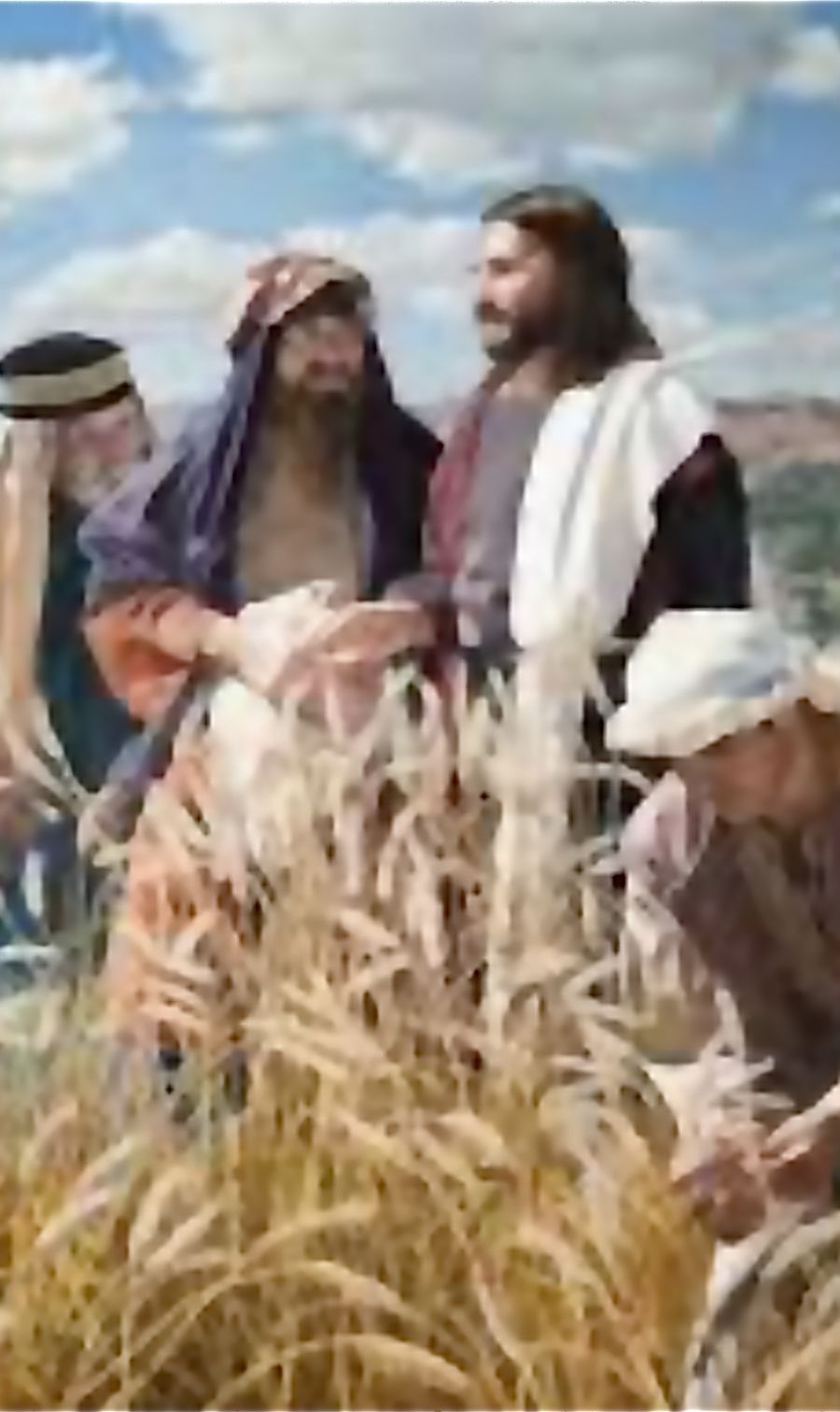
(Mk 2:23-28)


On the way of conversion, conflicts of conscience are not parentheses or accidents of the path, but crucial nodes.

The genuineness of believing then generates implicative force and new expressive abilities.

According to ordinary religious evaluations, the legislation was worth more than hunger...

To be honest, the observance of the Sabbath had become a central law not because of theological subtleties, but because in the period of the Exile the weekly rest had allowed to gather, share hopes, encourage each other, maintain the identity of the people.

But legalism ended up stifling the spirit of the day of worship, once a sign of a freedom at the service of faith and man, both of which cannot be enslaved.

Thus where Jesus arrives, every empty spiritual module of humanity crumbles, and the Incarnation takes hold: the place where God and man seriously ‘rest’ [other than the saturday!].

In the parallel passage of Mt (12:1-8), Jesus' response is more articulated and complete:

On Jewish Sabbath, priests had many more sacred and preparation engagements, slaughter and reordering of the Sanctuary, than the other days of the week, and the Torah obliged them... it happens to us too.

Again in Mt, the Lord quotes a famous phrase from the prophet Hosea - a man of raw experience, but who well defines the peak of intimacy with God: an authentic rite is to realize the hopes of our neighbour and to have the heart in the needs of others.


Christ emphasizes the poverty of every legalistic and hypocritical attachment in the mode of conceiving relations with the Father.

The sign of the Covenant with God, and Encounter (authentic sanctification) is adherence that continues in the plot of the days and in his active Person - not a ridiculous idolatry of observances or cultic parentheses.

Facts and rites celebrate love; and the sincere fulfilment does not follow the pedantic "as we should be", but expresses a Liberation of the person.

The biblical episode that Jesus quotes could perhaps appear not entirely pertinent to the theoretical question: his disciples did not seem to be kings or even priests.

Instead, in the new time that’s urgent, yes: ‘sovereigns’ of one’s life by Gift and Call, as well as ‘mediators’ [of divine blessings on humanity] - and also Prophets.

The lovable God establishes with us a dialogue and a friendship that invites, gives impetus, transmits taste for doing.

It’s the result of a messianic conscience as «Son of man» (v.28): transmissible to us, his brothers and friends - very united to him by Faith.

For this reason [after the call of the disciples and the first healings, then the vocation of Levi and the controversy about fasting] the Lord presents himself to the Pharisees in the royal stunt double of David, who is about to conquer the ‘kingdom’ even with a small handful of followers.

In the time of the global crisis that affects the future (and still tries to calculate it by directing it a priori, according to selective interests) the challenge is more open than ever.


To internalize and live the message:


How did you perceive that you were reliving Christ in the fluency of the norms?


[Tuesday 2nd wk. in O.T.  January 20, 2026]

69 Last modified on Monday, 12 January 2026 06:57
don Giuseppe Nespeca

Giuseppe Nespeca è architetto e sacerdote. Cultore della Sacra scrittura è autore della raccolta "Due Fuochi due Vie - Religione e Fede, Vangeli e Tao"; coautore del libro "Dialogo e Solstizio".

Against this cultural pressure, which not only threatened the Israelite identity but also the faith in the one God and in his promises, it was necessary to create a wall of distinction, a shield of defence to protect the precious heritage of the faith; this wall consisted precisely in the Judaic observances and prescriptions (Pope Benedict)
Contro questa pressione culturale, che minacciava non solo l’identità israelitica, ma anche la fede nell’unico Dio e nelle sue promesse, era necessario creare un muro di distinzione, uno scudo di difesa a protezione della preziosa eredità della fede; tale muro consisteva proprio nelle osservanze e prescrizioni giudaiche (Papa Benedetto)
It is not an anecdote. It is a decisive historical fact! This scene is decisive for our faith; and it is also decisive for the Church’s mission (Pope Francis)
Non è un aneddoto. E’ un fatto storico decisivo! Questa scena è decisiva per la nostra fede; ed è decisiva anche per la missione della Chiesa (Papa Francesco)
Being considered strong, capable of commanding, excellent, pristine, magnificent, performing, extraordinary, glorious… harms people. It puts a mask on us, makes us one-sided; takes away understanding. It floats the character we are sitting in, above reality
Essere considerati forti, capaci di comandare, eccellenti, incontaminati, magnifici, performanti, straordinari, gloriosi… danneggia le persone. Ci mette una maschera, rende unilaterali; toglie la comprensione. Fa galleggiare il personaggio in cui siamo seduti, al di sopra della realtà
The paralytic is not a paralytic
Il paralitico non è un paralitico
The Kingdom of God is precisely the presence of truth and love and thus is healing in the depths of our being. One therefore understands why his preaching and the cures he works always go together: in fact, they form one message of hope and salvation (Pope Benedict)
Il Regno di Dio è proprio la presenza della verità e dell’amore e così è guarigione nella profondità del nostro essere. Si comprende, pertanto, perché la sua predicazione e le guarigioni che opera siano sempre unite: formano infatti un unico messaggio di speranza e di salvezza (Papa Benedetto)
To repent and believe in the Gospel are not two different things or in some way only juxtaposed, but express the same reality (Pope Benedict)
Convertirsi e credere al Vangelo non sono due cose diverse o in qualche modo soltanto accostate tra loro, ma esprimono la medesima realtà (Papa Benedetto)
The fire of God's creative and redeeming love burns sin and destroys it and takes possession of the soul, which becomes the home of the Most High! (Pope John Paul II)
Il fuoco dell’amore creatore e redentore di Dio brucia il peccato e lo distrugge e prende possesso dell’anima, che diventa abitazione dell’Altissimo! (Papa Giovanni Paolo II)
«The Spirit of the Lord is upon me, because he has anointed me to preach good news to the poor» (Lk 4:18). Every minister of God has to make his own these words spoken by Jesus in Nazareth [John Paul II]
«Lo Spirito del Signore è sopra di me; per questo mi ha consacrato con l'unzione e mi ha mandato per annunziare un lieto messaggio» (Lc 4, 18). Ogni ministro di Dio deve far sue nella propria vita queste parole pronunciate da Gesù di Nazareth [Giovanni Paolo II]
It is He himself who comes to meet us, who lowers Heaven to stretch out his hand to us and raise us to his heights [Pope Benedict]

Due Fuochi due Vie - Vol. 1 Due Fuochi due Vie - Vol. 2 Due Fuochi due Vie - Vol. 3 Due Fuochi due Vie - Vol. 4 Due Fuochi due Vie - Vol. 5 Dialogo e Solstizio I fiammiferi di Maria

duevie.art

don Giuseppe Nespeca

Tel. 333-1329741


Disclaimer

Questo blog non rappresenta una testata giornalistica in quanto viene aggiornato senza alcuna periodicità. Non può pertanto considerarsi un prodotto editoriale ai sensi della legge N°62 del 07/03/2001.
Le immagini sono tratte da internet, ma se il loro uso violasse diritti d'autore, lo si comunichi all'autore del blog che provvederà alla loro pronta rimozione.
L'autore dichiara di non essere responsabile dei commenti lasciati nei post. Eventuali commenti dei lettori, lesivi dell'immagine o dell'onorabilità di persone terze, il cui contenuto fosse ritenuto non idoneo alla pubblicazione verranno insindacabilmente rimossi.






