Mar 13, 2026 Written by 

As this man speaks: the primacy of the conscience of the plebs

(Jn 7:40-53)


In the Gospel passage, the religious authorities judge everyone with contempt.

Anyone who has always imagined himself as master will not be willing to make himself a disciple of a subversive Revelation.

While the élite marginalizes Christ, even the gendarmerie commanded to perpetuate and oversee the world’s security is amazed by the power of the new Word-Person.

The Lord replaces the Torah (vv.37-38). And whoever comes into contact with the new Temple is guided by the intimate ‘root’ that he has in his womb: and he wants to recognize it, inside.

He himself becomes a bubbling Sanctuary, which begins to think and act in conscience - starting from its core [suffocated perhaps, but indestructible].

A lesson in thinking ‘from below’, given to "superiors". Example that re-evaluates the theological judgment of the impious plebs (v.49).

And it is curious that the disobedience saving Christ [present in his faithful] originates from the lack of minute knowledge of the Law.


There is a great confusion of opinions regarding Jesus among the people.

For the groups that have established the tyranny of norms, its unforeseen origin - non-mysterious nor overwhelming - is difficult to intend - unacceptable for calibrated thinking.

Some believe him to be the “son of David”, others a Prophet; a deceiver or a good man (v.12) or someone who has ‘no education’ (v.15).

The point is that He does not come to impose the outdated discipline again, nor to patch up its customs.

Not even to purify the Temple, renewing its propitiatory practice.

Christ supplants it with the «now» of Reality that reveals an inconceivable God’s Face, which is grasped and expanded even from within each of us.

It is by no means the quiet reconfirmation of the usual things.


Tradition [written and oral] boasts deep-rooted arguments, but its fame causes confusion and hard confrontation between opposing supporters.

There is never anything Exceptional in all of this.

But in the depths of each one dwells a ‘naturalness that teaches’, even to the masters of the paradigm.

Spontaneity will not lead us to the weak defense of Jesus made by Nicodemus (vv.51-53) who relies on another obvious law to save the situation.


When you stop wanting to be just addicted - comes the amazement, the God’s vertigo; different interests.

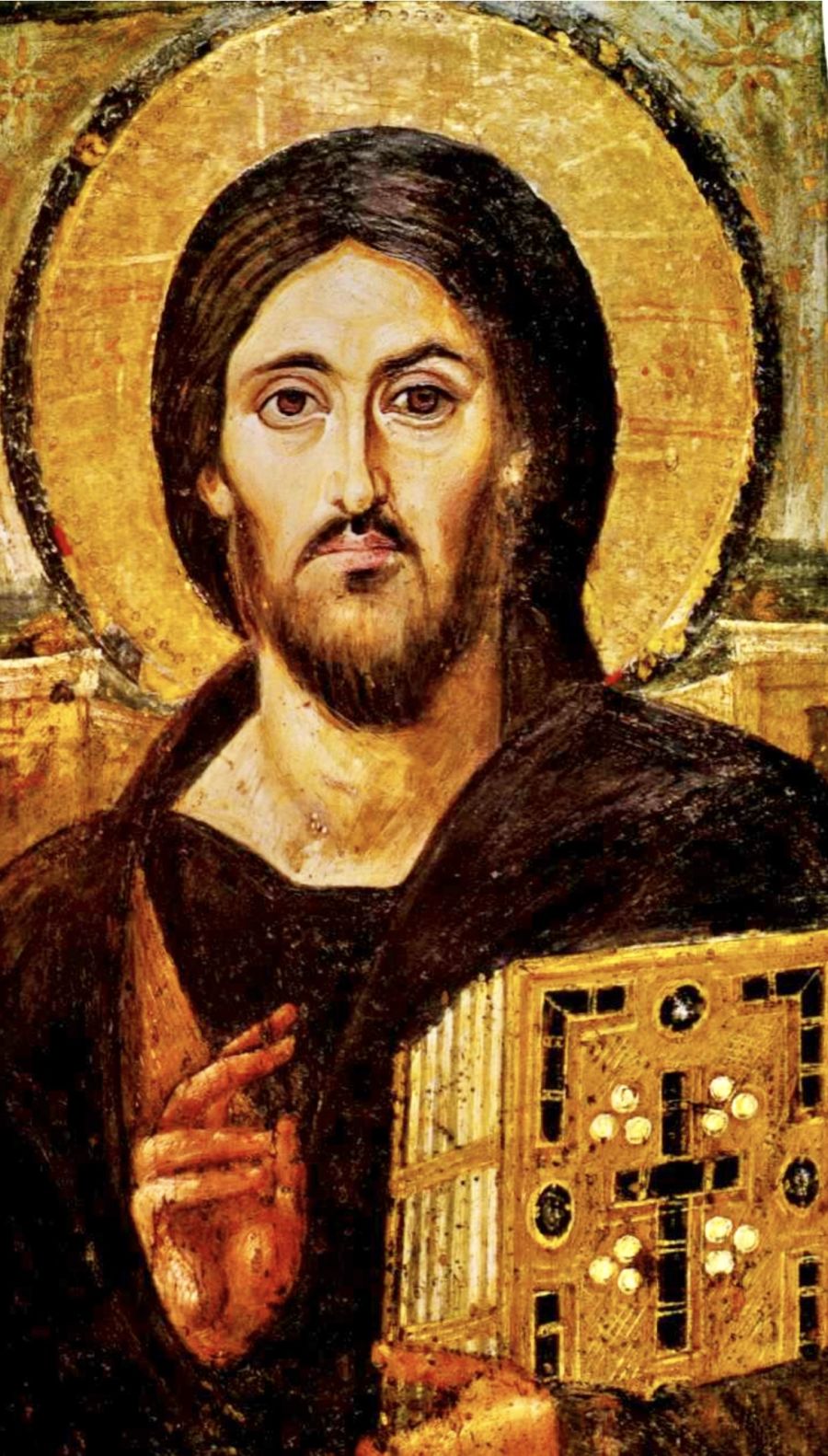
The Christ-icon of Jn 7 wants to develop in us the image and innate talent of the spirit’ teacher who simply draws from the personal experience of the Father, of himself, of the reality.

We should not expect true answers come from someone outside, rated more experienced - to whom instead have (we) to teach the New that comes to save us.

The Vocation by Name is entrusted to the unknown Rabbi who already lives in us - and wants to emerge, expressing the divine unconscious already present.

The indispensable Gold, without induced mental burdens: only in conscience and character.


[Saturday 4th wk. in Lent, March 21, 2026]

406 Last modified on Saturday, 21 March 2026 12:15
don Giuseppe Nespeca

Giuseppe Nespeca è architetto e sacerdote. Cultore della Sacra scrittura è autore della raccolta "Due Fuochi due Vie - Religione e Fede, Vangeli e Tao"; coautore del libro "Dialogo e Solstizio".

We see that the disciples are still closed in their thinking […] How does Jesus answer? He answers by broadening their horizons […] and he confers upon them the task of bearing witness to him all over the world, transcending the cultural and religious confines within which they were accustomed to think and live (Pope Benedict)
Vediamo che i discepoli sono ancora chiusi nella loro visione […] E come risponde Gesù? Risponde aprendo i loro orizzonti […] e conferisce loro l’incarico di testimoniarlo in tutto il mondo oltrepassando i confini culturali e religiosi entro cui erano abituati a pensare e a vivere (Papa Benedetto)
The Fathers made a very significant commentary on this singular task. This is what they say: for a fish, created for water, it is fatal to be taken out of the sea, to be removed from its vital element to serve as human food. But in the mission of a fisher of men, the reverse is true. We are living in alienation, in the salt waters of suffering and death; in a sea of darkness without light. The net of the Gospel pulls us out of the waters of death and brings us into the splendour of God’s light, into true life (Pope Benedict)
I Padri […] dicono così: per il pesce, creato per l’acqua, è mortale essere tirato fuori dal mare. Esso viene sottratto al suo elemento vitale per servire di nutrimento all’uomo. Ma nella missione del pescatore di uomini avviene il contrario. Noi uomini viviamo alienati, nelle acque salate della sofferenza e della morte; in un mare di oscurità senza luce. La rete del Vangelo ci tira fuori dalle acque della morte e ci porta nello splendore della luce di Dio, nella vera vita (Papa Benedetto)
There is the path of those who, like those two on the outbound journey, allow themselves to be paralysed by life’s disappointments and proceed sadly; and there is the path of those who do not put themselves and their problems first, but rather Jesus who visits us, and the brothers who await his visit (Pope Francis)
C’è la via di chi, come quei due all’andata, si lascia paralizzare dalle delusioni della vita e va avanti triste; e c’è la via di chi non mette al primo posto se stesso e i suoi problemi, ma Gesù che ci visita, e i fratelli che attendono la sua visita (Papa Francesco)
So that Christians may properly carry out this mandate entrusted to them, it is indispensable that they have a personal encounter with Christ, crucified and risen, and let the power of his love transform them. When this happens, sadness changes to joy and fear gives way to missionary enthusiasm (John Paul II)
Perché i cristiani possano compiere appieno questo mandato loro affidato, è indispensabile che incontrino personalmente il Crocifisso risorto, e si lascino trasformare dalla potenza del suo amore. Quando questo avviene, la tristezza si muta in gioia, il timore cede il passo all’ardore missionario (Giovanni Paolo II)
This is the message that Christians are called to spread to the very ends of the earth. The Christian faith, as we know, is not born from the acceptance of a doctrine but from an encounter with a Person (Pope Benedict)
È questo il messaggio che i cristiani sono chiamati a diffondere sino agli estremi confini del mondo. La fede cristiana come sappiamo nasce non dall'accoglienza di una dottrina, ma dall'incontro con una Persona (Papa Benedetto)
From ancient times the liturgy of Easter day has begun with the words: Resurrexi et adhuc tecum sum – I arose, and am still with you; you have set your hand upon me. The liturgy sees these as the first words spoken by the Son to the Father after his resurrection, after his return from the night of death into the world of the living. The hand of the Father upheld him even on that night, and thus he could rise again (Pope Benedict)

Due Fuochi due Vie - Vol. 1 Due Fuochi due Vie - Vol. 2 Due Fuochi due Vie - Vol. 3 Due Fuochi due Vie - Vol. 4 Due Fuochi due Vie - Vol. 5 Dialogo e Solstizio I fiammiferi di Maria

duevie.art

don Giuseppe Nespeca

Tel. 333-1329741


Disclaimer

Questo blog non rappresenta una testata giornalistica in quanto viene aggiornato senza alcuna periodicità. Non può pertanto considerarsi un prodotto editoriale ai sensi della legge N°62 del 07/03/2001.
Le immagini sono tratte da internet, ma se il loro uso violasse diritti d'autore, lo si comunichi all'autore del blog che provvederà alla loro pronta rimozione.
L'autore dichiara di non essere responsabile dei commenti lasciati nei post. Eventuali commenti dei lettori, lesivi dell'immagine o dell'onorabilità di persone terze, il cui contenuto fosse ritenuto non idoneo alla pubblicazione verranno insindacabilmente rimossi.






