Feb 23, 2026 Written by 

Rabbi, Father and preceptors? At the mercy of approval

Being present to oneself: do not replace love with flakes and bows

(Mt 23:1-12)


New Relationship between God and man could not be contained within the detailed rules of the First Covenant and its heavy customs.

At the time of Jesus, such sick obsessions of snooty verticism dominated, therefore only epidermal; incapable of providing breath, freedom, propulsive motivation.


The pyramidal conception of the world and the exterior idea of ​​the plot of the spiritual life do not correspond to Revelation.

Our reality is interwoven with opposing states, which innervate and complete; even making move forward. Sometime turning into a torrent in flood.

Rejection, abandonment, failure, limitations, illness, and the contempt of others – even a crisis – can bring us back to the dormant energies of life and give birth to a new Person.


How to contact our new ways of being? What precautions should be taken to enter a regeneration dynamism that helps to develop a lively climate - and where to start?

Jesus proposes Faith: a founding Relationship, that is, a new way of placing oneself before the Father and the world... with a trusting, spousal and creative attitude; in the initiative of another point of view.

Multifaceted love, Eros coming to us in a palpable dialogue - not without inner struggles.

This in the time of a path (singular, not at all traced or external). Even on the spur of the moment, annoying, because it goes against the tide.

The religious authorities, on the other hand, sought their security in the rigorous and conspicuous observance of the written and oral Law. 

Without risk or mind-boggling customizations.


Faced with such an accommodating mentality, free from vertigo, the young Master insists on the practice of Friendship [much stronger than willpower] which relativizes the obligations.

He thus gives its true sense to the profound Tradition, rediscovering the authentic meaning of the Torah and the rules of behavior.

After all, it was precisely the spiritual leaders of the official religion who were the first to disbelieve what they preached to others... or felt exempt from it, because they were used to thinking of themselves as elective, recognised, selected, chosen models - almost cast from above.


Exaggerated spirit of control is a false attitude in itself – it causes excessive strain and is deaf to the inner core.

But it is also detrimental to the building of a family atmosphere, or a culture of encounter; to the synodal journey, even... and so on.

On the other hand, by insisting on the attitude [which is indeed infallible] of mutual service, there will be no time left to be caught up in vanity, disputes over precedence, superficial discussions, friction, or even the gap between saying and doing.


Where can the theatre of indifference, which depresses rather than invigorates God's people, start again?

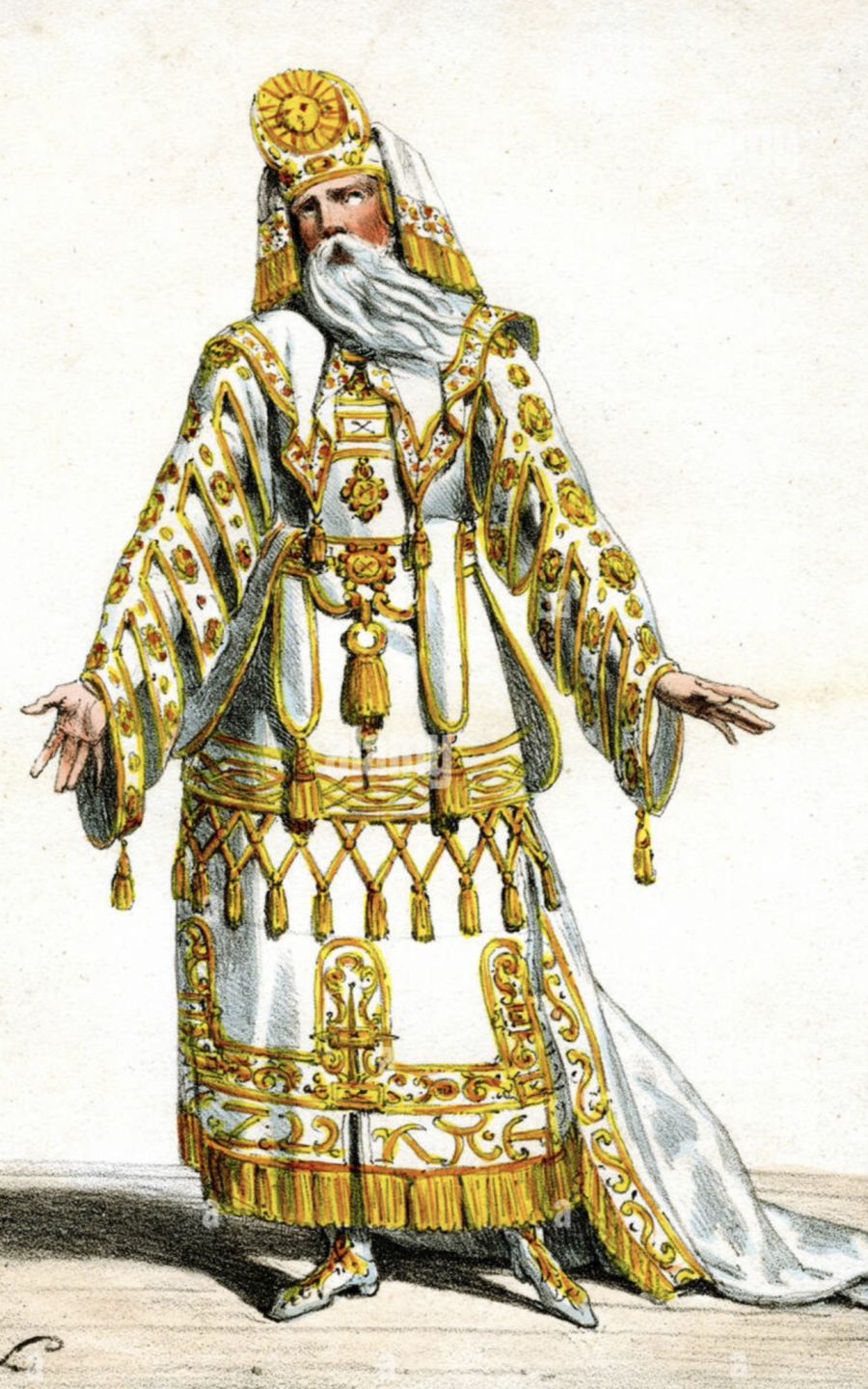
From the everlasting scribes and pharisees (v.2). Self-proclaimed superiors, with limited and reductive criteria of judgement.

Well, according to the Gospels, those who take on ecclesiastical leadership roles are not entitled to any “ribbon”: they are simply «deacons» (v. 11) of their sisters and brothers.

They have no positions, but tasks. They have no titles, but duties. They have no rank; rather, they have a mission and many obligations.


To internalize and live the message:


Do you like ribbons? What does your soul say about peacocks?


[Tuesday 2nd wk. in Lent, March 3, 2026]

399 Last modified on Tuesday, 03 March 2026 12:00
don Giuseppe Nespeca

Giuseppe Nespeca è architetto e sacerdote. Cultore della Sacra scrittura è autore della raccolta "Due Fuochi due Vie - Religione e Fede, Vangeli e Tao"; coautore del libro "Dialogo e Solstizio".

[Nicodemus] felt the fascination of this Rabbi, so different from the others, but could not manage to rid himself of the conditioning of his environment that was hostile to Jesus, and stood irresolute on the threshold of faith (Pope Benedict)
[Nicodemo] avverte il fascino di questo Rabbì così diverso dagli altri, ma non riesce a sottrarsi ai condizionamenti dell’ambiente contrario a Gesù e resta titubante sulla soglia della fede (Papa Benedetto)
Those wounds that, in the beginning were an obstacle for Thomas’s faith, being a sign of Jesus’ apparent failure, those same wounds have become in his encounter with the Risen One, signs of a victorious love. These wounds that Christ has received for love of us help us to understand who God is and to repeat: “My Lord and my God!” Only a God who loves us to the extent of taking upon himself our wounds and our pain, especially innocent suffering, is worthy of faith (Pope Benedict)
Quelle piaghe, che per Tommaso erano dapprima un ostacolo alla fede, perché segni dell’apparente fallimento di Gesù; quelle stesse piaghe sono diventate, nell’incontro con il Risorto, prove di un amore vittorioso. Queste piaghe che Cristo ha contratto per amore nostro ci aiutano a capire chi è Dio e a ripetere anche noi: “Mio Signore e mio Dio”. Solo un Dio che ci ama fino a prendere su di sé le nostre ferite e il nostro dolore, soprattutto quello innocente, è degno di fede (Papa Benedetto)
We see that the disciples are still closed in their thinking […] How does Jesus answer? He answers by broadening their horizons […] and he confers upon them the task of bearing witness to him all over the world, transcending the cultural and religious confines within which they were accustomed to think and live (Pope Benedict)
Vediamo che i discepoli sono ancora chiusi nella loro visione […] E come risponde Gesù? Risponde aprendo i loro orizzonti […] e conferisce loro l’incarico di testimoniarlo in tutto il mondo oltrepassando i confini culturali e religiosi entro cui erano abituati a pensare e a vivere (Papa Benedetto)
The Fathers made a very significant commentary on this singular task. This is what they say: for a fish, created for water, it is fatal to be taken out of the sea, to be removed from its vital element to serve as human food. But in the mission of a fisher of men, the reverse is true. We are living in alienation, in the salt waters of suffering and death; in a sea of darkness without light. The net of the Gospel pulls us out of the waters of death and brings us into the splendour of God’s light, into true life (Pope Benedict)
I Padri […] dicono così: per il pesce, creato per l’acqua, è mortale essere tirato fuori dal mare. Esso viene sottratto al suo elemento vitale per servire di nutrimento all’uomo. Ma nella missione del pescatore di uomini avviene il contrario. Noi uomini viviamo alienati, nelle acque salate della sofferenza e della morte; in un mare di oscurità senza luce. La rete del Vangelo ci tira fuori dalle acque della morte e ci porta nello splendore della luce di Dio, nella vera vita (Papa Benedetto)
There is the path of those who, like those two on the outbound journey, allow themselves to be paralysed by life’s disappointments and proceed sadly; and there is the path of those who do not put themselves and their problems first, but rather Jesus who visits us, and the brothers who await his visit (Pope Francis)
C’è la via di chi, come quei due all’andata, si lascia paralizzare dalle delusioni della vita e va avanti triste; e c’è la via di chi non mette al primo posto se stesso e i suoi problemi, ma Gesù che ci visita, e i fratelli che attendono la sua visita (Papa Francesco)

Due Fuochi due Vie - Vol. 1 Due Fuochi due Vie - Vol. 2 Due Fuochi due Vie - Vol. 3 Due Fuochi due Vie - Vol. 4 Due Fuochi due Vie - Vol. 5 Dialogo e Solstizio I fiammiferi di Maria

duevie.art

don Giuseppe Nespeca

Tel. 333-1329741


Disclaimer

Questo blog non rappresenta una testata giornalistica in quanto viene aggiornato senza alcuna periodicità. Non può pertanto considerarsi un prodotto editoriale ai sensi della legge N°62 del 07/03/2001.
Le immagini sono tratte da internet, ma se il loro uso violasse diritti d'autore, lo si comunichi all'autore del blog che provvederà alla loro pronta rimozione.
L'autore dichiara di non essere responsabile dei commenti lasciati nei post. Eventuali commenti dei lettori, lesivi dell'immagine o dell'onorabilità di persone terze, il cui contenuto fosse ritenuto non idoneo alla pubblicazione verranno insindacabilmente rimossi.






