Jan 11, 2026 Written by 

Fasting: Opening

New Wineskins and vocational Freedom

(Mk 2:18-22)


Fasting is a regenerative principle that has a unique healing power, both detoxifying and essential.

It activates the energies of ‘humanity’ and at the same time of ‘diversity’.

This silent practice addresses the deep layers, the internal dimension, which becomes the guide and we risk ignoring.


Fasting was a sign of profound religiosity, therefore the disciples of Jesus - who did not fast, on the contrary their life had a festive character - were more or less assimilated to sinners.

Although there were no formal prescriptions, in observant circles it was pious practices that had become customary [linked to precisely marked days].

In Semitic beliefs, fasting was in particular expressive of the embarrassment and affliction of the devout man in the expectation of the Messianic times, which were delaying.

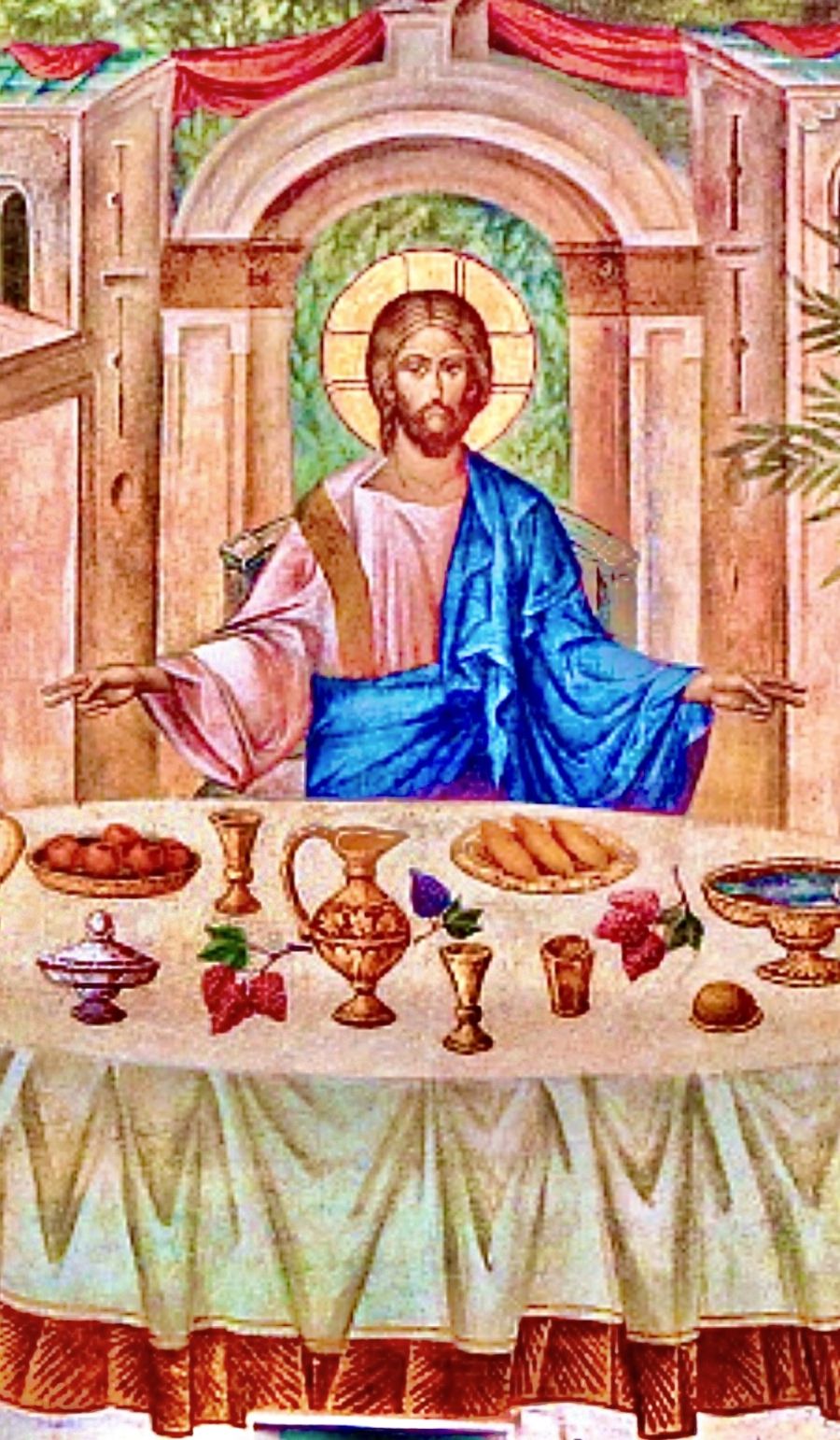
This is why Jesus associates fasting with mourning. It no longer has meaning in life as the unhindered wedding feast that He inaugurates.

Fasting remains as a sign of waiting for fulfillment, but now sadness no longer has any decisive relevance.

In the time of the Church that makes the Risen present, the renunciation of gorging is not a form of penance but of Hope (v.20).

And it serves to keep the hearts of Bridegroom’s friends clear of vanities, with a form of identification with the poor.

In other communities, the Judaizers tried to reduce the pure Faith - foundation and enthusiastic participation - to whatever beliefs and practices [that didn’t make everyone feel free and adequate].

In fact, a large part of the Jews converted to Christ were inclined to nostalgia that resulted in impediment.

In the communities of Roman-Pagan extraction to whom Mark addressed, there was a strong desire to free the Risen One from fetters [disciplinary fixations, timetables, calendar].

The believers perceived Him to be 'alive' - accomplices of the new humanising character they experienced day by day.

Under the confusion and violence of the ongoing civil war, the evangelist wanted to orient his assemblies in the late 60s not to cling to false securities.


Even today the Lord's proposal stands out - because it doesn’t claim to prepare the Kingdom, but rather welcomes and listens to it.

It will be Christ-in-us alone to nourish us towards an uninterrupted and growing way, in the commitment to start afresh in the task of ‘finding ourselves’ and emancipating the world - in a climate of austerity, balanced.

The Call of the Gospels remains respectful, concrete and strongly prophetic at the same time, because it arouses attention to people, to reality, and our joy - much more than to unsolicited standards of improvement, or other patches (v.21).

By not overwhelming or imposing artificial loads on believers, the life of Faith brings freedom into play [and thus makes it known to us] so that we become aware and assume it in order to be able to invest as Grace, charge, resource of novelty.

The renouncing and mortifying mechanisms, of individualistic perfection, are alien from the start - unless they are designed for the sharing of goods.

Jesus doesn’t come to make a small group of followers seated on the chair of austerity, but to communicate that the relationship with God is a celebration.

Fasting pleasing to the Father lies in the lucid experience of one's own unrepeatable eccentricity and Call, in freeing oneself from the selfishness that holds back, in bringing relief to one's neighbor.

For this reason the Church has almost completely abolished the precept of external fasting, while it intends to commit more to forms of limitation in favor of the uncertain, humble and needy.


[Monday 2nd wk. in O.T.   January 19, 2026]

202 Last modified on Monday, 19 January 2026 12:00
don Giuseppe Nespeca

Giuseppe Nespeca è architetto e sacerdote. Cultore della Sacra scrittura è autore della raccolta "Due Fuochi due Vie - Religione e Fede, Vangeli e Tao"; coautore del libro "Dialogo e Solstizio".

And this is the problem: when the People put down roots in the land and are the depository of the Law, they are tempted to place their security and joy in something that is no longer the Word of God: in possessions, in power, in other ‘gods’ that in reality are useless, they are idols. Of course, the Law of God remains but it is no longer the most important thing, the rule of life; rather, it becomes a camouflage, a cover-up, while life follows other paths, other rules, interests that are often forms of egoism, both individual and collective. Thus religion loses its authentic meaning, which is to live listening to God in order to do his will — that is the truth of our being — and thus we live well, in true freedom, and it is reduced to practising secondary customs which instead satisfy the human need to feel in God’s place. This is a serious threat to every religion which Jesus encountered in his time and which, unfortunately, is also to be found in Christianity. Jesus’ words against the scribes and Pharisees in today’s Gospel should therefore be food for thought for us as well (Pope Benedict)
Ed ecco il problema: quando il popolo si stabilisce nella terra, ed è depositario della Legge, è tentato di riporre la sua sicurezza e la sua gioia in qualcosa che non è più la Parola del Signore: nei beni, nel potere, in altre ‘divinità’ che in realtà sono vane, sono idoli. Certo, la Legge di Dio rimane, ma non è più la cosa più importante, la regola della vita; diventa piuttosto un rivestimento, una copertura, mentre la vita segue altre strade, altre regole, interessi spesso egoistici individuali e di gruppo. E così la religione smarrisce il suo senso autentico che è vivere in ascolto di Dio per fare la sua volontà - che è la verità del nostro essere - e così vivere bene, nella vera libertà, e si riduce a pratica di usanze secondarie, che soddisfano piuttosto il bisogno umano di sentirsi a posto con Dio. Ed è questo un grave rischio di ogni religione, che Gesù ha riscontrato nel suo tempo, ma che si può verificare, purtroppo, anche nella cristianità. Perciò le parole di Gesù nel Vangelo di oggi contro gli scribi e i farisei devono far pensare anche noi (Papa Benedetto)
Salt, in the cultures of the Middle East, calls to mind several values such as the Covenant, solidarity, life and wisdom. Light is the first work of God the Creator and is a source of life; the word of God is compared to light (Pope Benedict)
Il sale, nella cultura mediorientale, evoca diversi valori quali l’alleanza, la solidarietà, la vita e la sapienza. La luce è la prima opera di Dio Creatore ed è fonte della vita; la stessa Parola di Dio è paragonata alla luce (Papa Benedetto)
Even after his failure even in Nazareth (vv.1-6) - his heralds gladly confused the Servant [who was educating them] with the victorious, sighed, respected and glorious Messiah…
Ancora dopo il suo fallimento persino a Nazareth (vv.1-6) - i suoi banditori hanno ben volentieri confuso il Servo [che li stava educando] col Messia vincitore, sospirato, rispettato e glorioso…
During more than 40 years of his reign, Herod Antipas had created a class of functionaries and a system of privileged people who had in their hands the government, the tax authorities, the economy, the justice, every aspect of civil and police life, and his command covered the territory extensively…
Durante più di 40 anni di regno, Erode Antipa aveva creato una classe di funzionari e un sistema di privilegiati che avevano in pugno il governo, il fisco, l’economia, la giustizia, ogni aspetto della vita civile e di polizia, e il suo comando copriva capillarmente il territorio…

Due Fuochi due Vie - Vol. 1 Due Fuochi due Vie - Vol. 2 Due Fuochi due Vie - Vol. 3 Due Fuochi due Vie - Vol. 4 Due Fuochi due Vie - Vol. 5 Dialogo e Solstizio I fiammiferi di Maria

duevie.art

don Giuseppe Nespeca

Tel. 333-1329741


Disclaimer

Questo blog non rappresenta una testata giornalistica in quanto viene aggiornato senza alcuna periodicità. Non può pertanto considerarsi un prodotto editoriale ai sensi della legge N°62 del 07/03/2001.
Le immagini sono tratte da internet, ma se il loro uso violasse diritti d'autore, lo si comunichi all'autore del blog che provvederà alla loro pronta rimozione.
L'autore dichiara di non essere responsabile dei commenti lasciati nei post. Eventuali commenti dei lettori, lesivi dell'immagine o dell'onorabilità di persone terze, il cui contenuto fosse ritenuto non idoneo alla pubblicazione verranno insindacabilmente rimossi.






