What Uniqueness characterizes it?
(Mt 22,15-21)
After the expulsion of the sellers from the Temple, the objection on authority and the parables of the two sons, the murderous vinedressers, the rejected banquet [all referred to the élite], here is another clash between Jesus and the political chiefs and religious leaders - the latter ones placed behind the scenes.
Jesus [present in his intimates] systematically dismantles the traps set up by the authorities and the experts.
With tested double-dealing, they approach Him trying to stroke his self-love [v.16: situations that also often occur to critical witnesses].
The interest of the clever clashes, however, with the focus of Christ on the real good of people and respect for the intelligence of things - not to eagerness for approval or opportunism.
Right in the Temple (Mt 21:23) - the eminent Abode of the one Lord God - these gendarmes provoke the new Rabbi about paying taxes to the Romans (22:17).
We know what was at stake: the accusation of not being a prophet according to divine right, or [vice versa] that of collaborationism with the occupiers.
The Master does not allow himself to be fooled by the ostentation of closeness to the God of Israel - which is false because it is externally sought - and He plays them all off easily.
In the Temple of Jerusalem, it was forbidden to carry Roman coins, which depicted imperial profiles and insignia contrary to the Commandment 'Thou shalt not make unto thee any image'.
He asked for them, however, because He did not actually have any.
But the paladin saints themselves hand Him one.... The scene borders on the ridiculous.
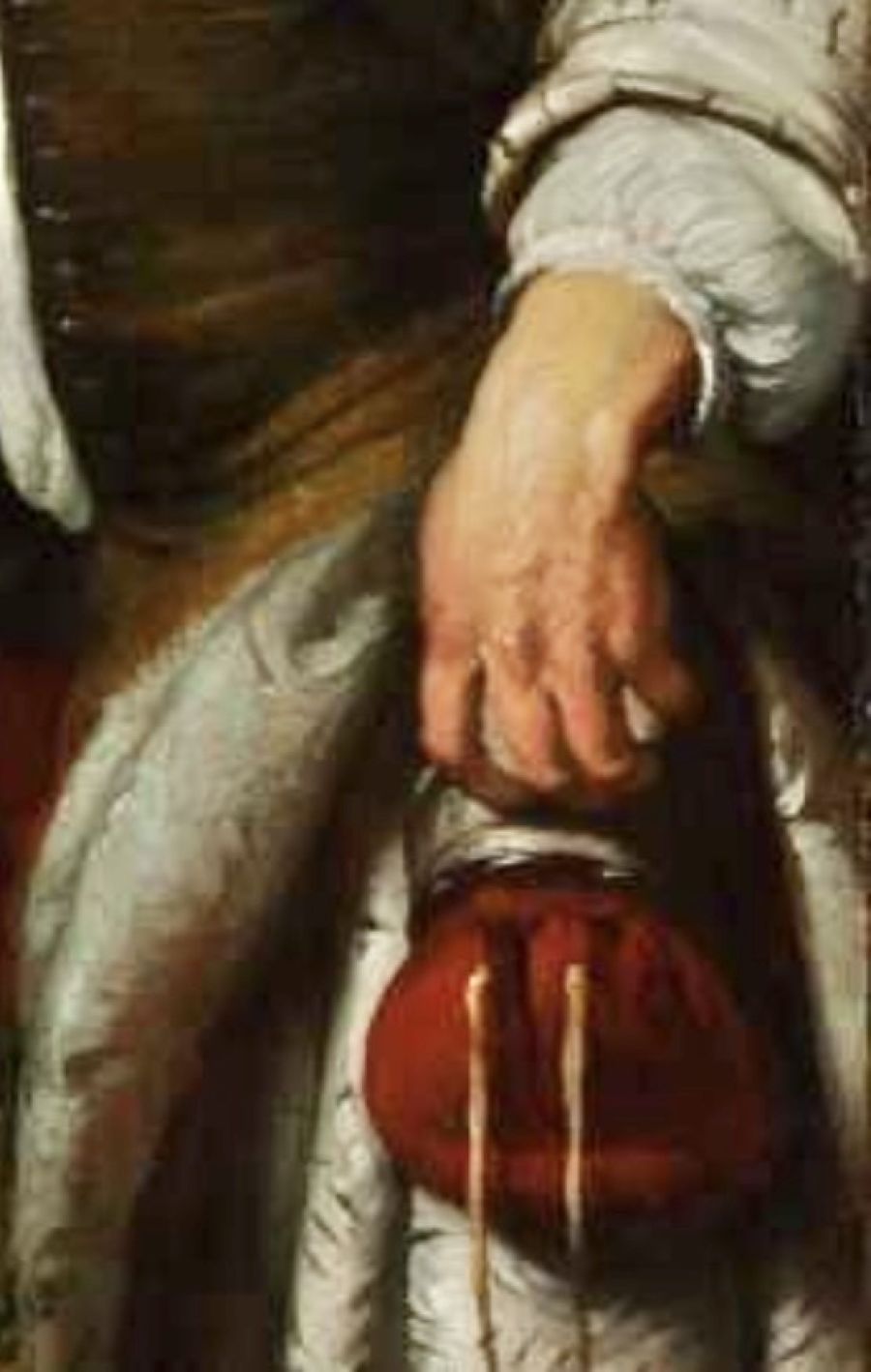
Drawing the forbidden coin from the pouch concealed under the cloak, the very chiefs reveal their true God: self-interest [well concealed under devout and ostentatious manners, which only act as a smokescreen].
Christ invites us not to allow ourselves to be flattered by the exhibitionist duplicity of the “signs”: what is important is not to deceive people by using pious forms as theatrical masquerades [v.18 Greek text].
The à la page or purity fanatics live only the epidermic angle; and they rely on it: they not infrequently hide well the very material passions they disdain.
It does not work with Christ.
It is a primary element of the testimony of authentic Faith - not the flaunted one.
Not parading dissimulation and material intrigue is crucial. It is also so in difficult, unstable, or seductive situations.
Each one is called to «return» to his true Lord the indelible «image and likeness» engraved on him.
So let the coin be «given back» to its 'master'. This remains essential for anyone to be fully realized, and to flourish.
Woman and man - creatures in whom the «image and likeness» of God is imprinted - have to «render» themselves to the Creator (v.21) who dwells in their essence as persons.
So where, in short, has the dominant man left his mark? On money.
Money perfectly reflects his icon.
Therefore, if you wish to know who the emperor is and what the exercise of power entails, look at the coin.
If, on the other hand, you wish to know God, His glory, and His humanising and genuine prestige, look at authentic women and men.
Humanity is sealed by far more intimate and natural affiliations than those of convenience.
[29th Sunday in O.T. (year A), October 18, 2026]