Jul 9, 2026 Written by 

Experiencing reversal

Re-enter to regenerate: opposite banners

(Mt 19:27-29)


According to St. Ignatius [Meditation of the two flags], the greed for things gives rise in us the vain honor of the world, and from it an immense pride is generated, which severs any possibility of internalizing.

But detachment from certain banners is impossible about men. The Apostles themselves seem to hang on to the mindset of return: «what will we have?» [v.27].

The idea of retribution was typical of archaic religious culture. Unfortunately, the lust for advantage was crushing Love, annihilating the gratuitousness of gestures, denying the meaning of the Covenant.

In this way, in his free proposal Jesus wants to introduce the support of an intimate and apparently unreasonable conviction, but that sharply flows from the sources of being.

Here emerges the founding Eros of the Call. Not so much the character (placid and resigned) of the believer, but a superior personal Gift: that of a unique discernment for each one, linked to the profound nature.

To regenerate [«palingenesis» v.28] we must re-enter ours’ motivations with greater conviction.


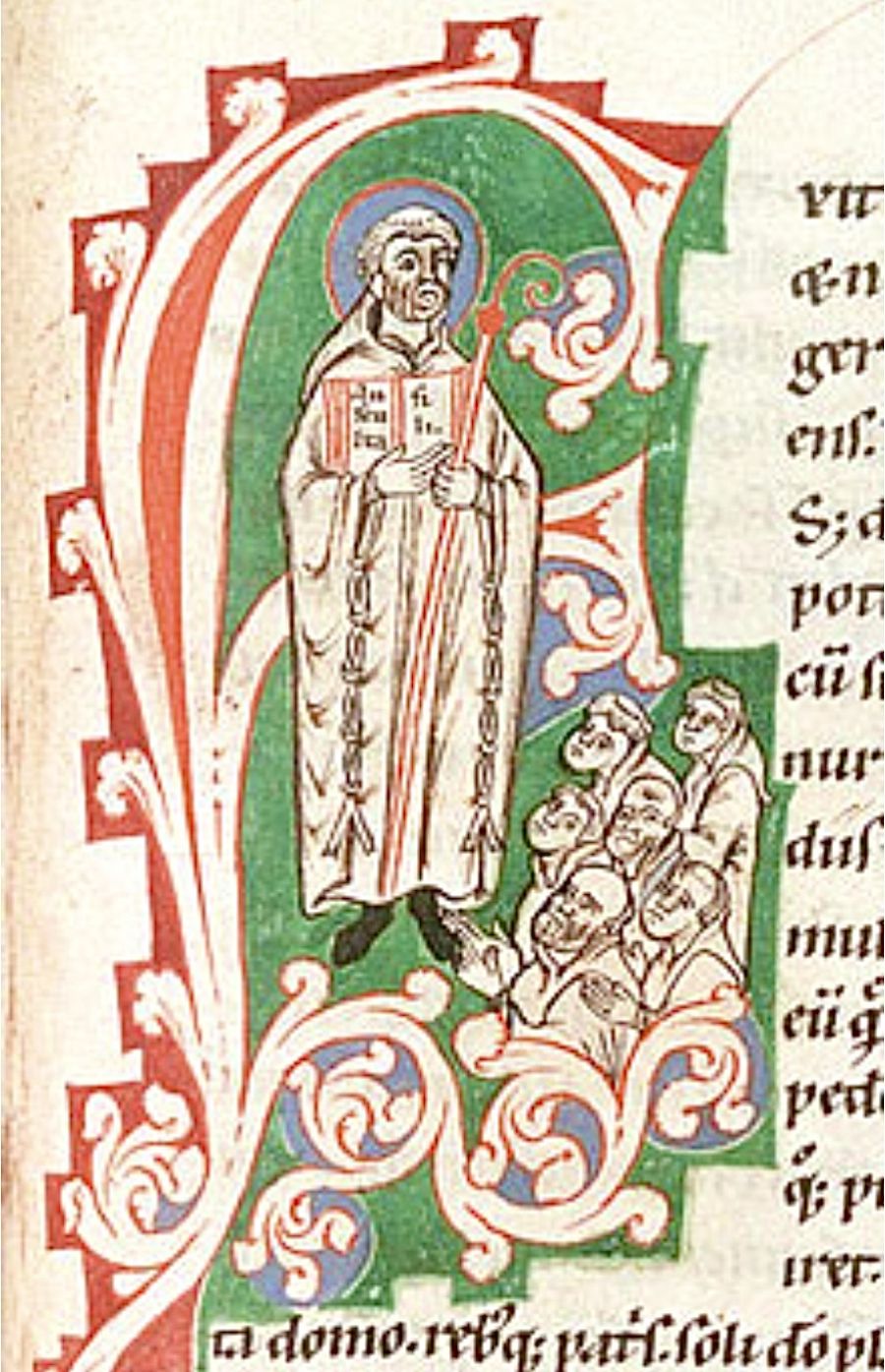
«Monk» is a term that derives from the Greek «mònos», "unique" (in the sense of «simple» and «united»); perhaps from «mènein», "to remain". It also seems similar to the Latin «mìnus», "less".

That of contemplatives is a type of knowledge that meets the Wisdom of every culture. They believe that the ineffable Instrument of their hundredfold growth is the “absurdity” of being evaluated insignificant.

The Imitation of Christ emphasizes: «Ama nesciri et pro nihilo reputari».

Monastic Hiding guards what belongs to us; the lack of fame establishes us in the quintessence - instead of on the exterior.

Even the natural philosophical research of all time and latitude admits the detachment from opinions, which cut the sense of Mystery and personal Discovery.

Lao-tzū for eg. distinguishes individual achievement and destiny from both expectations and intentions, which enclose the meaning of life in what is already represented:

«The Way that can be said, is not the eternal Way» [Tao Tê Ching, i].

«The saint postpones his person, and his person is premised; he sets aside his person, and his person persists. Is not it for he stripped himself of interests? That is why he can realize his interest» [vii].


When God wants to realize a project, always flies over outside situations. It is a problem of sense, of the roots of our choice, of vitality from below and «renewal of all things» [v.28].

A life of obligations or attachments blocks creativity, multiplies idols and artificial worries; it creates a dark room, where we do not grasp what belongs to us. Away the scenes.

The meaning of monastic uniqueness is therefore inclined to the change and Awakening hoped for, qualitative: that of Hundred for one, strength of the weak. 

Paradoxical broadening of perspective.


[July 11,  st. Benedict abbot, patron saint of Europe]

124 Last modified on Thursday, 09 July 2026 17:14
don Giuseppe Nespeca

Giuseppe Nespeca è architetto e sacerdote. Cultore della Sacra scrittura è autore della raccolta "Due Fuochi due Vie - Religione e Fede, Vangeli e Tao"; coautore del libro "Dialogo e Solstizio".

Are we not perhaps all afraid in some way? If we let Christ enter fully into our lives, if we open ourselves totally to him, are we not afraid that He might take something away from us? Are we not perhaps afraid to give up something significant, something unique, something that makes life so beautiful? Do we not then risk ending up diminished and deprived of our freedom? (Pope Benedict)
Non abbiamo forse tutti in qualche modo paura - se lasciamo entrare Cristo totalmente dentro di noi, se ci apriamo totalmente a lui – paura che Egli possa portar via qualcosa della nostra vita? Non abbiamo forse paura di rinunciare a qualcosa di grande, di unico, che rende la vita così bella? Non rischiamo di trovarci poi nell’angustia e privati della libertà? (Papa Benedetto)
«Is there an attitude for those who want to follow Jesus» so that «they do not end badly, that they do not end up eaten alive - as my mother used to say: "Eat raw" - by others»? (Pope Francis)
«Esiste un atteggiamento per quelli che vogliono seguire Gesù» in modo che «non finiscano male, che non finiscano mangiati vivi — come diceva mia mamma: “Mangiati crudi” — dagli altri»? (Papa Francesco)
For Christians, volunteer work is not merely an expression of good will. It is based on a personal experience of Christ (Pope Benedict)
Per i cristiani, il volontariato non è soltanto espressione di buona volontà. È basato sull’esperienza personale di Cristo (Papa Benedetto)
Christ reveals his identity of Messiah, Israel's bridegroom, who came for the betrothal with his people. Those who recognize and welcome him are celebrating. However, he will have to be rejected and killed precisely by his own; at that moment, during his Passion and death, the hour of mourning and fasting will come (Pope Benedict)
Cristo rivela la sua identità di Messia, Sposo d'Israele, venuto per le nozze con il suo popolo. Quelli che lo riconoscono e lo accolgono con fede sono in festa. Egli però dovrà essere rifiutato e ucciso proprio dai suoi: in quel momento, durante la sua passione e la sua morte, verrà l'ora del lutto e del digiuno (Papa Benedetto)
For the prodigious and instantaneous healing of the paralytic, the apostle St. Matthew is more sober than the other synoptics, St. Mark and St. Luke. These add broader details, including that of the opening of the roof in the environment where Jesus was, to lower the sick man with his lettuce, given the huge crowd that crowded at the entrance. Evident is the hope of the pitiful companions: they almost want to force Jesus to take care of the unexpected guest and to begin a dialogue with him (Pope Paul VI)
Per la prodigiosa ed istantanea guarigione del paralitico, l’apostolo San Matteo è più sobrio degli altri sinottici, San Marco e San Luca. Questi aggiungono più ampi particolari, tra cui quello dell’avvenuta apertura del tetto nell’ambiente ove si trovava Gesù, per calarvi l’infermo col suo lettuccio, data l’enorme folla che faceva ressa all’entrata. Evidente è la speranza dei pietosi accompagnatori: essi vogliono quasi obbligare Gesù ad occuparsi dell’inatteso ospite e ad iniziare un dialogo con lui (Papa Paolo VI)
A life without love and without truth would not be life. The Kingdom of God is precisely the presence of truth and love and thus is healing in the depths of our being. One therefore understands why his preaching and the cures he works always go together: in fact, they form one message of hope and salvation (Pope Benedict)

Due Fuochi due Vie - Vol. 1 Due Fuochi due Vie - Vol. 2 Due Fuochi due Vie - Vol. 3 Due Fuochi due Vie - Vol. 4 Due Fuochi due Vie - Vol. 5 Dialogo e Solstizio I fiammiferi di Maria

duevie.art

don Giuseppe Nespeca

Tel. 333-1329741


Disclaimer

Questo blog non rappresenta una testata giornalistica in quanto viene aggiornato senza alcuna periodicità. Non può pertanto considerarsi un prodotto editoriale ai sensi della legge N°62 del 07/03/2001.
Le immagini sono tratte da internet, ma se il loro uso violasse diritti d'autore, lo si comunichi all'autore del blog che provvederà alla loro pronta rimozione.
L'autore dichiara di non essere responsabile dei commenti lasciati nei post. Eventuali commenti dei lettori, lesivi dell'immagine o dell'onorabilità di persone terze, il cui contenuto fosse ritenuto non idoneo alla pubblicazione verranno insindacabilmente rimossi.






