Feb 9, 2026 Written by 

The little Food, enriching

And the much yeast, which impoverishes

(Mk 8:14-21)


Jesus says one thing, the apostles understand another. The «leaven of the Pharisees and that of Herod» is a theme that alludes to the ideology of domination.

The disciples were close to Christ, because he was the character of the moment.

But enraptured by cheap illusions, they no longer listened to the Master, who was pursuing them.

Even today some followers do not feel like getting involved in things they do not want to know and would put them in shortage (v.14) - with the only possibility of fraternal sharing.

They seem unwilling to hear anything but proclamations of power, opulence, fame and imperial victory.

Their heads and their desires remain distant, engaged only in the validations of "swelling" and profit - despite appearances to the contrary.

They come to kidnap the Son of God for themselves, because they seem to have become exactly like the adversaries of the new Faith: hardened hearts (v.17) - eyes that do not look, ears that do not listen (v.18).

By moving away from him to turn willingly to the usual idolatries and pagan hopes.


Of course, there were confused ideas about the Messiah around - but all related to the [unfaithful] conception of ‘grandeur’.

But the authentic Messiah doesn’t want to reach an eminent position through contacts and deceptions, but rather to help needy and frightened humanity.

Many were waiting for a King, others for a high priest who was finally holy.

Some expected a guerrilla, or a healer;  others a judge or a prophet. No one a Servant.

Everyone reduced him to normal flattery, according to their interests - and class of belonging.

In fact, the very intimates of the Master showed themselves willing to go after any breeze of doctrine, as long as this could allow them to retain the treasures of the Kingdom.

Any title for the Messiah - religious, political, nationalist - could be tolerated, digested and made tameable... except the one that forced them to become servants of others.

The only uncomfortable presence.


Yet the prolonged absence of a prophetic spirit becomes the cause of many torments.

The inclination to coexistence and communion is missionary ‘truth’. Instrument for the redemption of all, starting with those who reach out to needy sisters and brothers.

By its nature and mandate, the small boat of the Church remains sent to all nations. ‘Salt of the earth’, ‘Light of the world’.

No believer must imagine himself exonerated.

Baptism has incorporated us, so that we are launched to cooperate - according to capacity and contexts.

A breath that cannot be interrupted or limited. Death would result.

In short, the Lord doesn’t ask us for marginal and nuanced behavior, but rather receptive and global ones.

Attitudes that affect the sense of history and its assets...

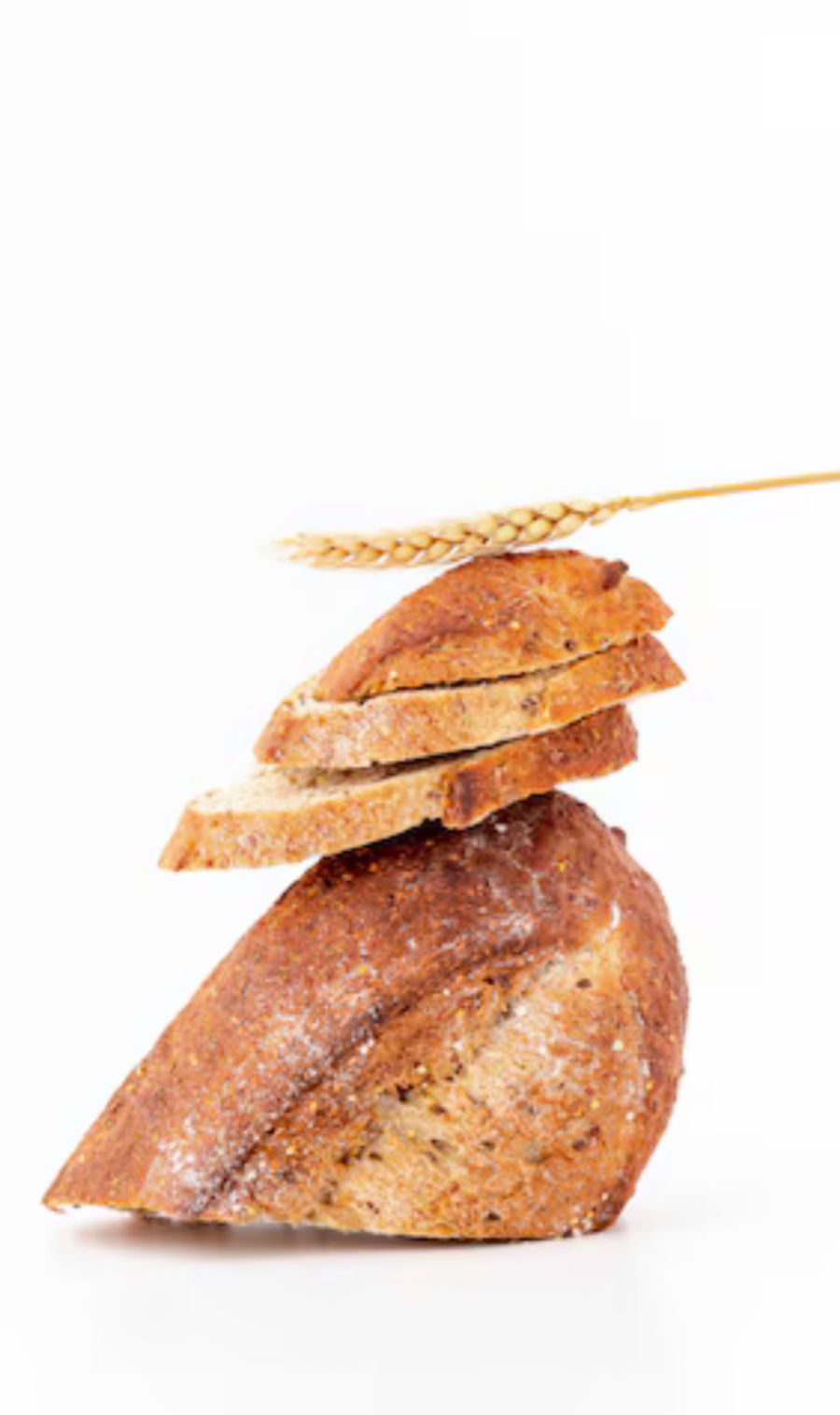
Because sharing the little «bread» doesn’t impoverish; rather, it enriches.


To internalize and live the message:


«They had ‘only one bread’ with them in the boat»: do you complain about it or do you evaluate its meaning?


[Tuesday 6th wk. in O.T.  February 17, 2026]

18 Last modified on Monday, 09 February 2026 04:57
don Giuseppe Nespeca

Giuseppe Nespeca è architetto e sacerdote. Cultore della Sacra scrittura è autore della raccolta "Due Fuochi due Vie - Religione e Fede, Vangeli e Tao"; coautore del libro "Dialogo e Solstizio".

And He continues: «Think of salvation, of what God has done for us, and choose well!». But the disciples "did not understand why the heart was hardened by this passion, by this wickedness of arguing among themselves and seeing who was guilty of that forgetfulness of the bread" (Pope Francis)
E continua: «Pensate alla salvezza, a quello che anche Dio ha fatto per noi, e scegliete bene!». Ma i discepoli «non capivano perché il cuore era indurito per questa passione, per questa malvagità di discutere fra loro e vedere chi era il colpevole di quella dimenticanza del pane» (Papa Francesco)
[Faith] is the lifelong companion that makes it possible to perceive, ever anew, the marvels that God works for us. Intent on gathering the signs of the times in the present of history […] (Pope Benedict, Porta Fidei n.15)
[La Fede] è compagna di vita che permette di percepire con sguardo sempre nuovo le meraviglie che Dio compie per noi. Intenta a cogliere i segni dei tempi nell’oggi della storia […] (Papa Benedetto, Porta Fidei n.15)
But what do this “fullness” of Christ’s Law and this “superior” justice that he demands consist in? Jesus explains it with a series of antitheses between the old commandments and his new way of propounding them (Pope Benedict)
Ma in che cosa consiste questa “pienezza” della Legge di Cristo, e questa “superiore” giustizia che Egli esige? Gesù lo spiega mediante una serie di antitesi tra i comandamenti antichi e il suo modo di riproporli (Papa Benedetto)
For so long as we are sheep, we conquer: though ten thousand wolves prowl around, we overcome and prevail. But if we become wolves, we are worsted, for the help of our Shepherd departs from us (St John Chrysostom)
Finché saremo agnelli, vinceremo e, anche se saremo circondati da numerosi lupi, riusciremo a superarli. Ma se diventeremo lupi, saremo sconfitti, perché saremo privi dell’aiuto del Pastore (S. Giovanni Crisostomo)
Today, as on the day of our Baptism, we hear the words of Jesus addressed to us: “Ephphatha, be opened!” Open your ears. Jesus, I want to open myself to your Word; Jesus, open myself to listening to you; Jesus, heal my heart from being closed, heal my heart from haste, heal my heart from impatience (Pope Francis)
Sentiamo rivolta a noi oggi, come nel giorno del Battesimo, quella parola di Gesù: “Effatà, apriti”! Apriti le orecchie. Gesù, desidero aprirmi alla tua Parola; Gesù, aprirmi al tuo ascolto; Gesù, guarisci il mio cuore dalla chiusura, guarisci il mio cuore dalla fretta, guarisci il mio cuore dall’impazienza (Papa Francesco)
And this is the problem: when the People put down roots in the land and are the depository of the Law, they are tempted to place their security and joy in something that is no longer the Word of God: in possessions, in power, in other ‘gods’ that in reality are useless, they are idols. Of course, the Law of God remains but it is no longer the most important thing, the rule of life; rather, it becomes a camouflage, a cover-up, while life follows other paths, other rules, interests that are often forms of egoism, both individual and collective. Thus religion loses its authentic meaning, which is to live listening to God in order to do his will — that is the truth of our being — and thus we live well, in true freedom, and it is reduced to practising secondary customs which instead satisfy the human need to feel in God’s place. This is a serious threat to every religion which Jesus encountered in his time and which, unfortunately, is also to be found in Christianity. Jesus’ words against the scribes and Pharisees in today’s Gospel should therefore be food for thought for us as well (Pope Benedict)

Due Fuochi due Vie - Vol. 1 Due Fuochi due Vie - Vol. 2 Due Fuochi due Vie - Vol. 3 Due Fuochi due Vie - Vol. 4 Due Fuochi due Vie - Vol. 5 Dialogo e Solstizio I fiammiferi di Maria

duevie.art

don Giuseppe Nespeca

Tel. 333-1329741


Disclaimer

Questo blog non rappresenta una testata giornalistica in quanto viene aggiornato senza alcuna periodicità. Non può pertanto considerarsi un prodotto editoriale ai sensi della legge N°62 del 07/03/2001.
Le immagini sono tratte da internet, ma se il loro uso violasse diritti d'autore, lo si comunichi all'autore del blog che provvederà alla loro pronta rimozione.
L'autore dichiara di non essere responsabile dei commenti lasciati nei post. Eventuali commenti dei lettori, lesivi dell'immagine o dell'onorabilità di persone terze, il cui contenuto fosse ritenuto non idoneo alla pubblicazione verranno insindacabilmente rimossi.






