May 21, 2026 Written by 

Conversion and giving time

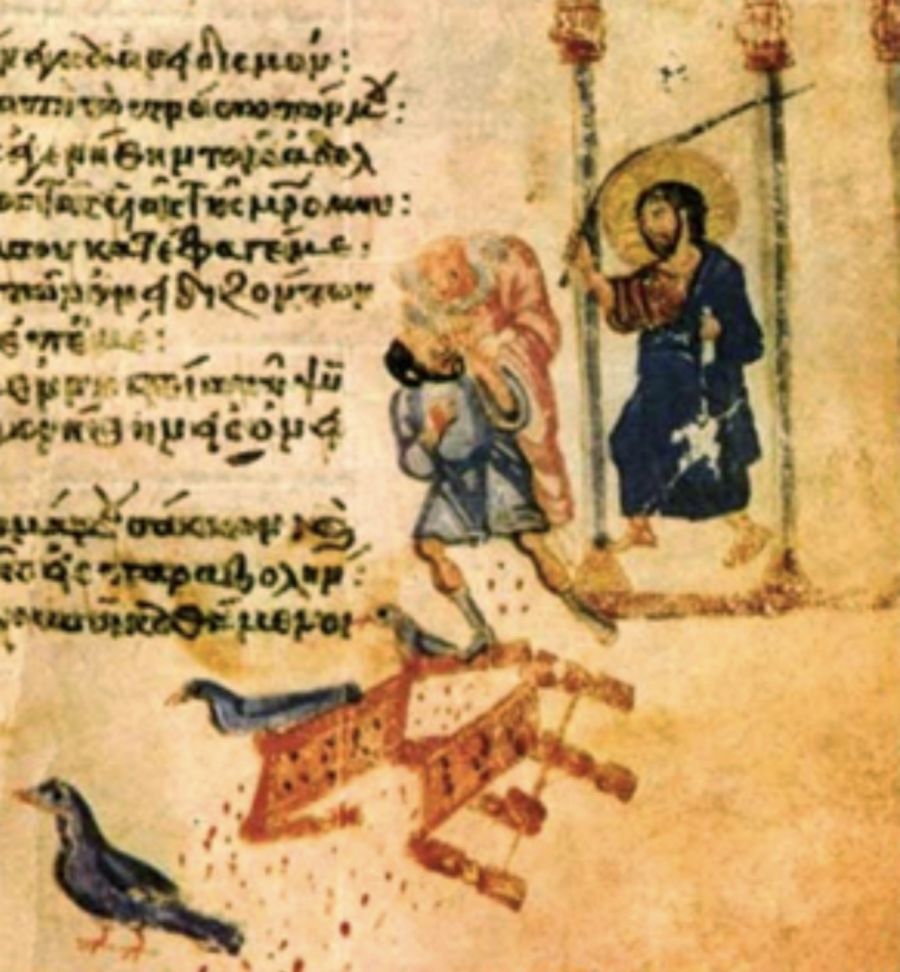
Through the parable of the barren fig tree, Jesus calls us to conversion, to be trees that bear fruit: «He went [to see] if he could find anything on it, and when he came to it, he found nothing but leaves» (Mk 11:13).


Francis, humble of heart and simple, offers us a thought-provoking episode in this regard.

“He used to say that preachers are to be pitied, for they often sell their ministry for a penny’s worth of vainglory.

And he would sometimes try to cure their conceit with this remedy:

«Why do you boast of the conversion of men, when it is my simple brothers who have converted them through their prayers?»

And indeed, he commented thus on the passage that says: «even the barren woman has borne many children»:

«The barren woman is my poor friar, who has no task of begetting children in the Church. But at the judgement he will have brought many to light, for on that day the judge will ascribe to his glory those whom he now converts through his personal prayers»” (FF 749).

And again:

«There are many friars who […] whilst preaching the Gospel to individuals and to the people, on seeing or hearing that some have been edified or converted to penance, become puffed up and swell with pride over results achieved through the labour of others.

In truth, those whom they delude themselves into thinking they have edified or converted to penance through their words, it is the Lord who edifies and converts them through the prayers of the holy friars, even if the latter are unaware of it: this is God’s will, that they should not realise it, lest they become proud.

‘These friars are my knights of the Round Table, who hide themselves in secluded and uninhabited places, to devote themselves with greater fervour to prayer and meditation, weeping over their own sins and those of others» (FF 1624).

The humble and daily conversion of the Minor and his friars has, over time, revolutionised every form of arrogant thinking, thanks to the Word of Christ.


Friday, 8th wk. in O.T.  (Mk 11:11-25)

262 Last modified on Thursday, 21 May 2026 05:45
Teresa Girolami

Teresa Girolami è laureata in Materie letterarie e Teologia. Ha pubblicato vari testi, fra cui: "Pellegrinaggio del cuore" (Ed. Piemme); "I Fiammiferi di Maria - La Madre di Dio in prosa e poesia"; "Tenerezza Scalza - Natura di donna"; co-autrice di "Dialogo e Solstizio".

Email This email address is being protected from spambots. You need JavaScript enabled to view it.
Christ reveals his identity of Messiah, Israel's bridegroom, who came for the betrothal with his people. Those who recognize and welcome him are celebrating. However, he will have to be rejected and killed precisely by his own; at that moment, during his Passion and death, the hour of mourning and fasting will come (Pope Benedict)
Cristo rivela la sua identità di Messia, Sposo d'Israele, venuto per le nozze con il suo popolo. Quelli che lo riconoscono e lo accolgono con fede sono in festa. Egli però dovrà essere rifiutato e ucciso proprio dai suoi: in quel momento, durante la sua passione e la sua morte, verrà l'ora del lutto e del digiuno (Papa Benedetto)
For the prodigious and instantaneous healing of the paralytic, the apostle St. Matthew is more sober than the other synoptics, St. Mark and St. Luke. These add broader details, including that of the opening of the roof in the environment where Jesus was, to lower the sick man with his lettuce, given the huge crowd that crowded at the entrance. Evident is the hope of the pitiful companions: they almost want to force Jesus to take care of the unexpected guest and to begin a dialogue with him (Pope Paul VI)
Per la prodigiosa ed istantanea guarigione del paralitico, l’apostolo San Matteo è più sobrio degli altri sinottici, San Marco e San Luca. Questi aggiungono più ampi particolari, tra cui quello dell’avvenuta apertura del tetto nell’ambiente ove si trovava Gesù, per calarvi l’infermo col suo lettuccio, data l’enorme folla che faceva ressa all’entrata. Evidente è la speranza dei pietosi accompagnatori: essi vogliono quasi obbligare Gesù ad occuparsi dell’inatteso ospite e ad iniziare un dialogo con lui (Papa Paolo VI)
A life without love and without truth would not be life. The Kingdom of God is precisely the presence of truth and love and thus is healing in the depths of our being. One therefore understands why his preaching and the cures he works always go together: in fact, they form one message of hope and salvation (Pope Benedict)
Una vita senza amore e senza verità non sarebbe vita. Il Regno di Dio è proprio la presenza della verità e dell’amore e così è guarigione nella profondità del nostro essere. Si comprende, pertanto, perché la sua predicazione e le guarigioni che opera siano sempre unite: formano infatti un unico messaggio di speranza e di salvezza (Papa Benedetto)
His slumber causes us to wake up. Because to be disciples of Jesus, it is not enough to believe God is there, that he exists, but we must put ourselves out there with him; we must also raise our voice with him. Hear this: we must cry out to him. Prayer is often a cry: “Lord, save me!” (Pope Francis)
Il suo sonno provoca noi a svegliarci. Perché, per essere discepoli di Gesù, non basta credere che Dio c’è, che esiste, ma bisogna mettersi in gioco con Lui, bisogna anche alzare la voce con Lui. Sentite questo: bisogna gridare a Lui. La preghiera, tante volte, è un grido: “Signore, salvami!” (Papa Francesco)
"May the peace of your kingdom come to us", Dante exclaimed in his paraphrase of the Our Father (Purgatorio, XI, 7). A petition which turns our gaze to Christ's return and nourishes the desire for the final coming of God's kingdom. This desire however does not distract the Church from her mission in this world, but commits her to it more strongly [John Paul II]
‘Vegna vêr noi la pace del tuo regno’, esclama Dante nella sua parafrasi del Padre Nostro (Purgatorio XI,7). Un’invocazione che orienta lo sguardo al ritorno di Cristo e alimenta il desiderio della venuta finale del Regno di Dio. Questo desiderio però non distoglie la Chiesa dalla sua missione in questo mondo, anzi la impegna maggiormente [Giovanni Paolo II]

Due Fuochi due Vie - Vol. 1 Due Fuochi due Vie - Vol. 2 Due Fuochi due Vie - Vol. 3 Due Fuochi due Vie - Vol. 4 Due Fuochi due Vie - Vol. 5 Dialogo e Solstizio I fiammiferi di Maria

duevie.art

don Giuseppe Nespeca

Tel. 333-1329741


Disclaimer

Questo blog non rappresenta una testata giornalistica in quanto viene aggiornato senza alcuna periodicità. Non può pertanto considerarsi un prodotto editoriale ai sensi della legge N°62 del 07/03/2001.
Le immagini sono tratte da internet, ma se il loro uso violasse diritti d'autore, lo si comunichi all'autore del blog che provvederà alla loro pronta rimozione.
L'autore dichiara di non essere responsabile dei commenti lasciati nei post. Eventuali commenti dei lettori, lesivi dell'immagine o dell'onorabilità di persone terze, il cui contenuto fosse ritenuto non idoneo alla pubblicazione verranno insindacabilmente rimossi.






