Jul 6, 2026 Written by 

Close Proclamation

Who knows how many times Francis, the Herald of the Great King, in reading this passage from Matthew must have thought that in order to announce the Kingdom of God he would travel the whole earth to bring souls to Christ and to reach the lost sheep of the house of Israel.

«Would you do that?».

Francis must surely have asked himself this disarming question, to which his whole eloquent existence was answered: "Yes, without a doubt!".

For a single sheep of his flock he would certainly have left the others safe in search of the lost one.

«Let us look closely, brothers all, at the good Shepherd who, in order to save his sheep, endured the passion of the cross» (FF 155 - Admonitions).

He, who used to call Brother Leo "God's sheep", would have faced any adversity to find it, and for this he sought martyrdom even before the Sultan of Egypt, to win it for Christ.

The Sources, through the Major Legend, report:

"Francis, the servant of God, with an intrepid heart answered [the Sultan] that he had been sent not by men, but by God most high, to show him and his people the way to salvation and to proclaim the Gospel of truth.

And he preached to the Sultan the triune God and the Saviour of all, Jesus Christ, with so much courage, with so much strength and so much fervour of spirit, as to make it clearly evident that the promise of the Gospel was being fulfilled with full truth: I will give you a language and a wisdom which none of your adversaries will be able to resist or contradict" (FF 1173).

Rich in tenderness and mercy, it is an episode that highlights the shepherd heart of the Poor Man and his concern for the Kingdom of God.

We find in the Sources:

"Once crossing the March of Ancona, after preaching in the same city, and heading towards Osimo, in the company of Brother Paul, whom he had elected minister to all the brothers of that province, he met a shepherd in the countryside, who was grazing his flock of rams and goats.

In the midst of the flock was a single sheep, quietly and humbly grazing on the grass.

As soon as he saw it, Francis stopped, and as if he had had a grip on his heart, full of compassion he said to his brother:

«Do you see that lonely and meek sheep among the goats? Our Lord Jesus Christ, surrounded and hunted down by the Pharisees and Sanhedrites, must have looked just like that humble creature.

Therefore I beseech thee, my son, for love of Him, be thou also full of compassion, let us buy her and take her away from these goats and goatherds» (FF 456).


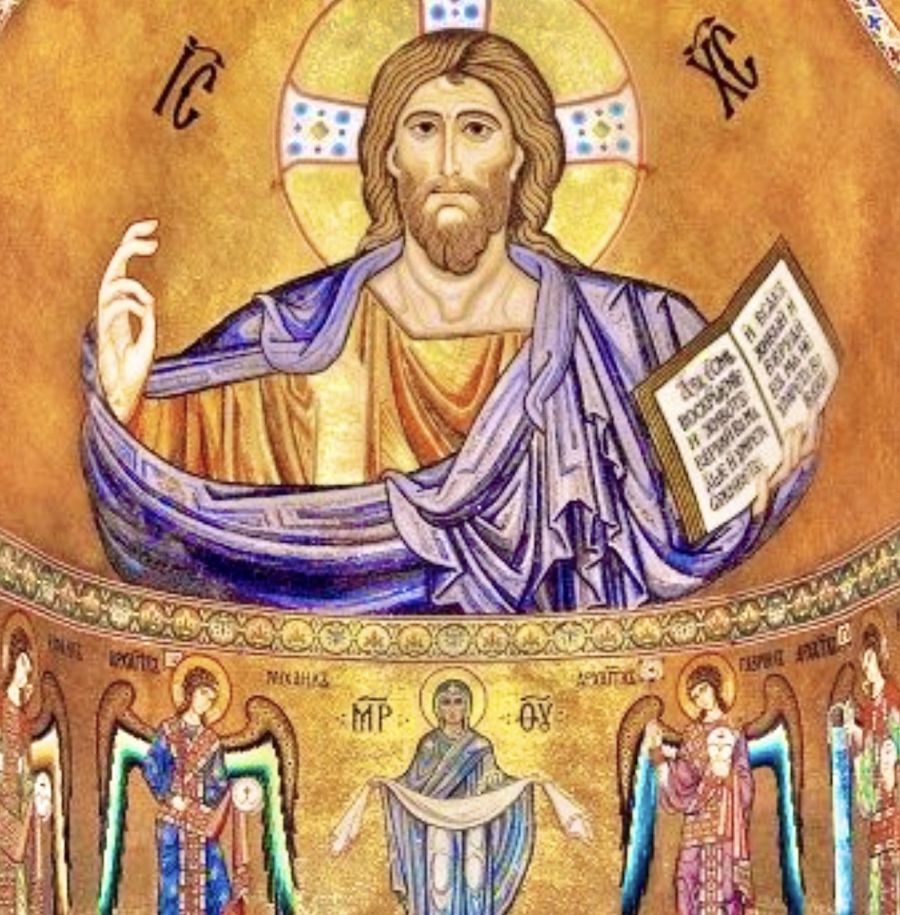
«Depart, preach, saying that the kingdom of heaven has come near» (Mt 10:7)


Wednesday of the 14th wk. in O.T.  (Mt 10,1-7)

304 Last modified on Monday, 06 July 2026 10:48
Teresa Girolami

Teresa Girolami è laureata in Materie letterarie e Teologia. Ha pubblicato vari testi, fra cui: "Pellegrinaggio del cuore" (Ed. Piemme); "I Fiammiferi di Maria - La Madre di Dio in prosa e poesia"; "Tenerezza Scalza - Natura di donna"; co-autrice di "Dialogo e Solstizio".

Email This email address is being protected from spambots. You need JavaScript enabled to view it.
The invitation has three characteristics: freely offered, breadth and universality. Many people were invited, but something surprising happened: none of the intended guests came to take part in the feast, saying they had other things to do; indeed, some were even indifferent, impertinent, even annoyed (Pope Francis)
L’invito ha tre caratteristiche: la gratuità, la larghezza, l’universalità. Gli invitati sono tanti, ma avviene qualcosa di sorprendente: nessuno dei prescelti accetta di prendere parte alla festa, dicono che hanno altro da fare; anzi alcuni mostrano indifferenza, estraneità, perfino fastidio (Papa Francesco)
Those who are considered the "last", if they accept, become the "first", whereas the "first" can risk becoming the "last" (Pope Benedict)
Proprio quelli che sono considerati "ultimi", se lo accettano, diventano "primi", mentre i "primi" possono rischiare di finire "ultimi" (Papa Benedetto)
The dialogue of Jesus with the rich young man, related in the nineteenth chapter of Saint Matthew's Gospel, can serve as a useful guide for listening once more in a lively and direct way to his moral teaching [Veritatis Splendor n.6]
Il dialogo di Gesù con il giovane ricco, riferito nel capitolo 19 del Vangelo di san Matteo, può costituire un'utile traccia per riascoltare in modo vivo e incisivo il suo insegnamento morale [Veritatis Splendor n.6]
St Augustine rightly commented: “Christ showed himself indifferent to her, not in order to refuse her his mercy but rather to inflame her desire for it” (Sermo 77, 1: PL 38, 483) [Pope Benedict]
Sant’Agostino commenta giustamente: “Cristo si mostrava indifferente verso di lei, non per rifiutarle la misericordia, ma per infiammarne il desiderio” (Sermo 77, 1: PL 38, 483) [Papa Benedetto]
In the divine attitude justice is pervaded with mercy, whereas the human attitude is limited to justice. Jesus exhorts us to open ourselves with courage to the strength of forgiveness, because in life not everything can be resolved with justice. We know this (Pope Francis)
Nell’atteggiamento divino la giustizia è pervasa dalla misericordia, mentre l’atteggiamento umano si limita alla giustizia. Gesù ci esorta ad aprirci con coraggio alla forza del perdono, perché nella vita non tutto si risolve con la giustizia; lo sappiamo (Papa Francesco)
The Second Vatican Council's Constitution on the Sacred Liturgy refers precisely to this Gospel passage to indicate one of the ways that Christ is present:  "He is present when the Church prays and sings, for he has promised "where two or three are gathered together in my name there am I in the midst of them' (Mt 18: 20)" [Sacrosanctum Concilium, n. 7]
La Costituzione sulla Sacra Liturgia del Concilio Vaticano II si riferisce proprio a questo passo del Vangelo per indicare uno dei modi della presenza di Cristo: "Quando la Chiesa prega e canta i Salmi, è presente Lui che ha promesso: "Dove sono due o tre riuniti nel mio nome, io  sono in mezzo a loro" (Mt 18, 20)" [Sacrosanctum Concilium, 7]
For Jesus we are not a "mass", a "multitude"! We are individual "persons" with an eternal value, both as creatures and as re-deemed persons! He knows us! He knows me, and loves me and gave himself for me! (Gal 2:20) [John Paul II]
Non siamo “massa”, “moltitudine”, per Gesù! Siamo “persone” singole con un valore eterno, sia come creature sia come persone redente! lui ci conosce! lui mi conosce, e mi ama e ha dato se stesso per me! (Gal 2,20) [Giovanni Paolo II]

Due Fuochi due Vie - Vol. 1 Due Fuochi due Vie - Vol. 2 Due Fuochi due Vie - Vol. 3 Due Fuochi due Vie - Vol. 4 Due Fuochi due Vie - Vol. 5 Dialogo e Solstizio I fiammiferi di Maria

duevie.art

don Giuseppe Nespeca

Tel. 333-1329741


Disclaimer

Questo blog non rappresenta una testata giornalistica in quanto viene aggiornato senza alcuna periodicità. Non può pertanto considerarsi un prodotto editoriale ai sensi della legge N°62 del 07/03/2001.
Le immagini sono tratte da internet, ma se il loro uso violasse diritti d'autore, lo si comunichi all'autore del blog che provvederà alla loro pronta rimozione.
L'autore dichiara di non essere responsabile dei commenti lasciati nei post. Eventuali commenti dei lettori, lesivi dell'immagine o dell'onorabilità di persone terze, il cui contenuto fosse ritenuto non idoneo alla pubblicazione verranno insindacabilmente rimossi.






