Sep 1, 2026 Written by 

Beatitudes and reversal, antidote to unilaterality

Faith and religion. Turnover in the Church

(Lk 6:20-26)


Jesus judges the configuration of the world in which his Church, in the Spirit, finds herself living: rich and destitute [in many ways], prominent and invisible figures.

Situation that does not reflect conditions of fullness life; rather - even today - it makes bitter blood to many.

A false and not definitive reality, exasperating, wich the Lord absolutely denounces not to like among his intimates: that of praised dominators (despite the selfish abuse of goods and positions) and insignificant subjected.

Devoid of high-sounding titles, the young Rabbi turns from bottom to top (v.20) to those who have freely chosen his proposal of fraternal existence and sharing of property [in Mt «poor "for" the Spirit (of love)»].

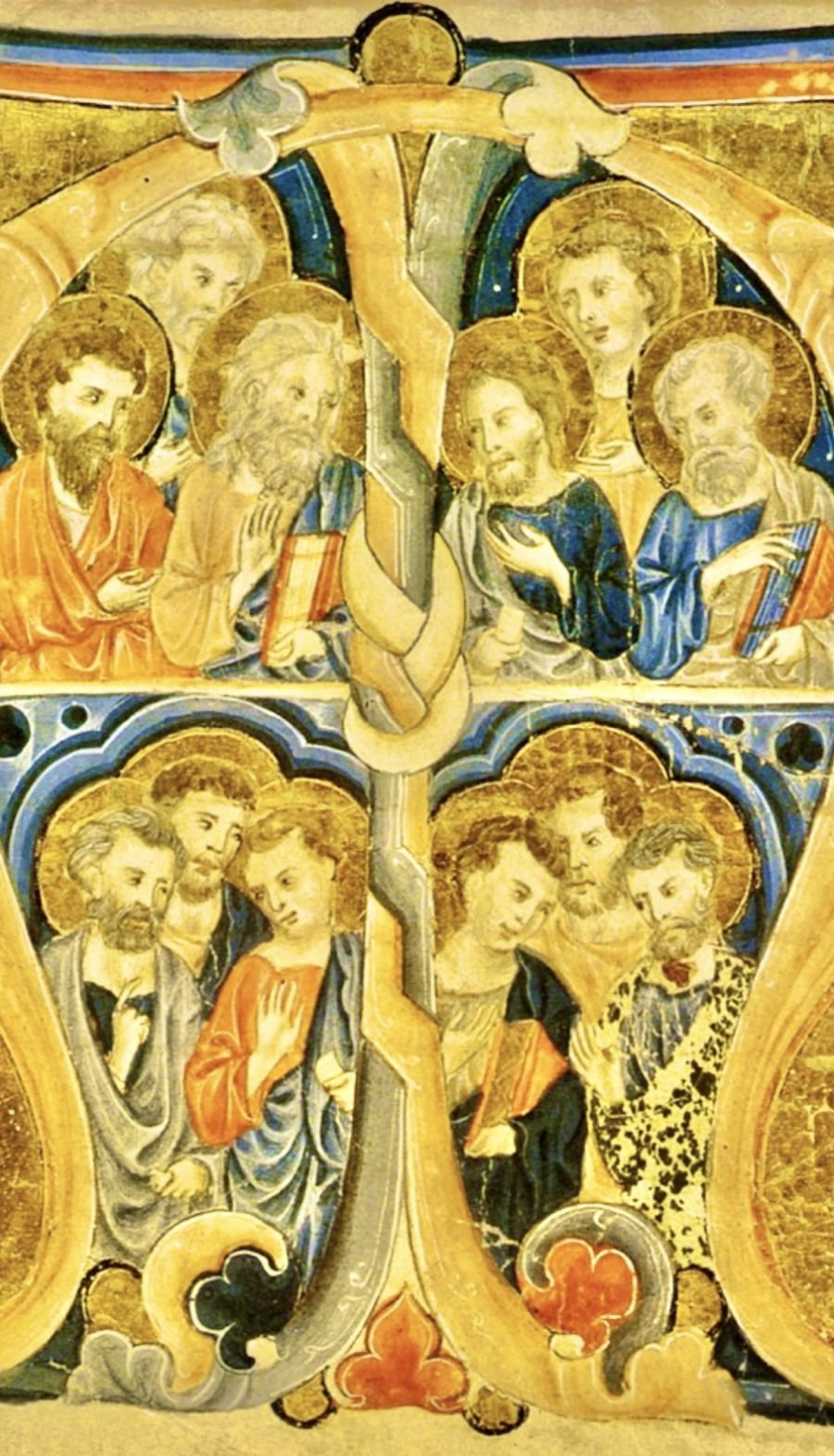
He is pleased [«Blessed»] with the choice of his apostles, which makes us enjoy the experience of harmony with the Master. A different Vision, and the reciprocity, that is, the same quality of God’s life.

Already here on earth the critical prophets testify to the possibility of a different perception of things, as well as the Dream of a society based on coexistence - in the exchange of benefits.

A bud of hospitable world - which Lk wants to encourage - where there is no above and below or front and behind: only humanizing upheavals (such as the reversal of roles) that strengthen the fabric concorde.

Also in his House there must be rotation and reversal of prominent figures and tasks. The change is the sign of the Kingdom that comes; able to sharpen sensitivity to Communion.

In the documents of ancient literature little is spoken of the poor, voiceless and hungry. The focus was on the rich, the heroes, the rulers and generals. The overthrow of fate was unimaginable.

On the contrary, the new powerful of the Kingdom of God are those who feel the Son present, pulsating in their hearts, Risen in them.

They do not keep for themselves, but transform goods, goals, titles and ministries into Life and Relationship.

What is decisive and conclusive is the construction of this unusual type of Church [Kingdom].

Germ that deviates from the unilaterality of relationships. With enrichment and alternation, where everyone feels adequate, no longer pointed out.

In the adventure of Faith-Love there is always mutual recognition. 

The offices, the assignments, alternate incessantly.

Indeed, excessively centered relationships of subjection annihilate the living Gifts of God; they produce deep, paralyzing wounds.

They reduce Creator and creature to silence [and opacity]: a paradoxical self-condemnation.

But Christ clearly distinguishes what makes Blessed - complete, not one-sided - and what does not belong to and does not resemble the full work of the Father.

He does it not simply by admonishing, but by uniting us and expanding our Core; by lubricating the intimate, best essences - of all people.

In proclaiming the Beatitudes, the Risen Jesus wants to communicate [especially in his Churches, which seem to him to have need it so much] a less schematic and partial energy, more permeable and confluent; an inclusive rhythm.

And to everyone gives permission to live.


[Wednesday 23rd wk. in O.T.  September 9, 2026]

305 Last modified on Wednesday, 09 September 2026 12:33
don Giuseppe Nespeca

Giuseppe Nespeca è architetto e sacerdote. Cultore della Sacra scrittura è autore della raccolta "Due Fuochi due Vie - Religione e Fede, Vangeli e Tao"; coautore del libro "Dialogo e Solstizio".

The question makes apparent the concern, present in ancient Jewish tradition, over finding a unifying principle in the various formulations of God's will […] Emphasis is placed on the totality of this dedication to God, listing the three faculties that define man in his deep psychological structures: heart, soul and mind. The word mind, diánoia, contains the rational element (Pope Benedict)
La domanda lascia trasparire la preoccupazione, presente nell’antica tradizione giudaica, di trovare un principio unificatore delle varie formulazioni della volontà di Dio […] L’accento è posto sulla totalità di questa dedizione a Dio, elencando le tre facoltà che definiscono l’uomo nelle sue strutture psicologiche profonde: cuore, anima e mente. Il termine mente, diánoia, contiene l’elemento razionale (Papa Benedetto)
A “year” of grace: the period of Christ’s ministry, the time of the Church before his glorious return, an interval of our life (Pope Francis)
Un “anno” di grazia: il tempo del ministero di Cristo, il tempo della Chiesa prima del suo ritorno glorioso, il tempo della nostra vita (Papa Francesco)
The Church, having before her eyes the picture of the generation to which we belong, shares the uneasiness of so many of the people of our time (Dives in Misericordia n.12)
Avendo davanti agli occhi l'immagine della generazione a cui apparteniamo, la Chiesa condivide l'inquietudine di tanti uomini contemporanei (Dives in Misericordia n.12)
Addressing this state of mind, the Church testifies to her hope, based on the conviction that evil, the mysterium iniquitatis, does not have the final word in human affairs (Pope John Paul II)
Di fronte a questi stati d'animo la Chiesa desidera testimoniare la sua speranza, basata sulla convinzione che il male, il mysterium iniquitatis, non ha l'ultima parola nelle vicende umane (Papa Giovanni Paolo II)
Jesus reminds us today that the expectation of the eternal beatitude does not relieve us of the duty to render the world more just and more liveable (Pope Francis)
Gesù oggi ci ricorda che l’attesa della beatitudine eterna non ci dispensa dall’impegno di rendere più giusto e più abitabile il mondo (Papa Francesco)
Those who open to Him will be blessed, because they will have a great reward: indeed, the Lord will make himself a servant to his servants — it is a beautiful reward — in the great banquet of his Kingdom He himself will serve them [Pope Francis]
E sarà beato chi gli aprirà, perché avrà una grande ricompensa: infatti il Signore stesso si farà servo dei suoi servi - è una bella ricompensa - nel grande banchetto del suo Regno passerà Lui stesso a servirli [Papa Francesco]
The fool in the Bible, the one who does not want to learn from the experience of visible things, that nothing lasts for ever but that all things pass away, youth and physical strength, amenities and important roles. Making one's life depend on such an ephemeral reality is therefore foolishness (Pope Benedict)
L’uomo stolto nella Bibbia è colui che non vuole rendersi conto, dall’esperienza delle cose visibili, che nulla dura per sempre, ma tutto passa: la giovinezza come la forza fisica, le comodità come i ruoli di potere. Far dipendere la propria vita da realtà così passeggere è, dunque, stoltezza (Papa Benedetto)
As sometimes happens in the Gospel, faced with the trap set by his enemies, Jesus, with his response, rises above the contingent controversy and goes far beyond the particular and mutually divergent positions (Pope John Paul II)

Due Fuochi due Vie - Vol. 1 Due Fuochi due Vie - Vol. 2 Due Fuochi due Vie - Vol. 3 Due Fuochi due Vie - Vol. 4 Due Fuochi due Vie - Vol. 5 Dialogo e Solstizio I fiammiferi di Maria

duevie.art

don Giuseppe Nespeca

Tel. 333-1329741


Disclaimer

Questo blog non rappresenta una testata giornalistica in quanto viene aggiornato senza alcuna periodicità. Non può pertanto considerarsi un prodotto editoriale ai sensi della legge N°62 del 07/03/2001.
Le immagini sono tratte da internet, ma se il loro uso violasse diritti d'autore, lo si comunichi all'autore del blog che provvederà alla loro pronta rimozione.
L'autore dichiara di non essere responsabile dei commenti lasciati nei post. Eventuali commenti dei lettori, lesivi dell'immagine o dell'onorabilità di persone terze, il cui contenuto fosse ritenuto non idoneo alla pubblicazione verranno insindacabilmente rimossi.






