Jan 20, 2026 Written by 

A new God, without planning: perhaps a deluded one?

In the difference between common religiosity and Faith

(Mt 13:1-23)


The parables compare the lived reality and the world of the Spirit:

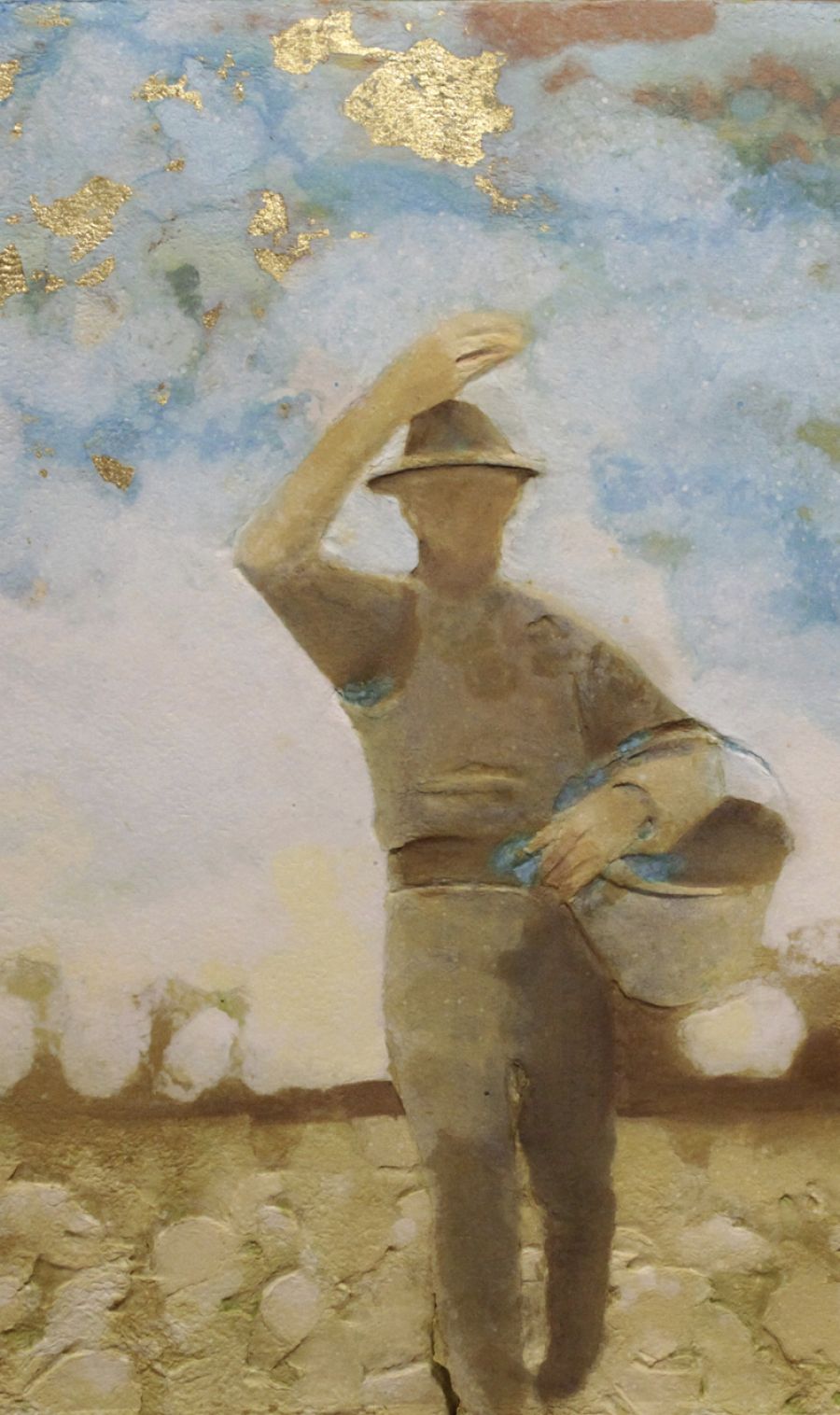
«And other [seeds] fell on the earth that beautiful one and bore fruit rising and growing and they bore one thirty and one sixty and one hundred» (v.8).

Palestine’ stony terrain and scorching climate did not make it easy for the workers who lived on agriculture.

The lack of rain and the intrusion into the fields of those who wanted to shorten the path, destroyed the plants.

Tiring action and few tangible results.

Despite the enormous difficulties, every year the peasant threw grains with a wide hand, generously - and ploughed, animated by confidence in the inner life force of the seed and in the bounty of nature.

Ploughing was after sowing, to avoid that the soils turned over dried immediately under the powerful heat, and did not allow the grains to take root thanks to a minimum of moisture.

So the sower didn’t select the different types of ground prematurely.


The Seed already works: the new ‘Kingdom that Comes’ is not glorious, but here and there it takes root and produces - even where you do not expect.

According to the ancient religious mentality it seems a madness, but the divine Farmer does not choose the type of "land", nor discriminates on the basis of the percentage of production - although it would seem easy to predict.

The Sower even accepts that his ‘grain’ fallen on the «beautiful» [v.8 Greek text] ground, fruits differently: one hundred, sixty, thirty for one.

The term «beautiful» (in the Eastern sense) means the full and fruitful land [the soul and work of the most intimate, even anonymous ones].


The Lord means that a wise commitment to evangelization cannot be measured with fussiness.

His Word remains as a Beginning thrown into the human heart by the One who is neither stingy nor exclusive - but magnanimous.

In this way, the Church, his new People, is a small alternative world to both the Empire and selective religions.

The new Rabbi did not intend to carve out better disciples than others - isolated from the reality of the human family.

He was proposing a new lifestyle, cohabiting.

In short, God doesn’t force the growth of the ‘seed’ in each of us, in an abstract way; He waits patiently.

Even accepts that it is born badly or that it does not arise at all. He knows where to go.


Since overflowingly spreads on all kinds of hearts (even on asphalt), He foresees already that will be accused of being unwise.

But He doesn’t worry about the quantity, nor about the immediate outward fruits of His ‘grain’.

He doesn’t care that the work is "effective in departure"!

Such is the amiable, humanizing and divine (parental) Tolerance that saves. Loveableness that does not kidnap us every moment, to plan.

Rather, all this is to make us understand that He is not a calculating and miserly God, external, tight and biased; but a munificent and conciliatory Father.

Lord of the Kingdom who does not wait first for our little ‘perfections’.


The metaphor that follows the initial parable is intended to emphasize that any lack of result is not to be attributed to the lack of vitality of the Seed, nor to the divine Work, but to man’s freedom; to his condition of limit or incoherence.


Unfortunately, from the earliest generations of believers, the positive Call of Jesus has been reinterpreted somewhat backwards: with moralistic and individualistic overtones (vv.10-20) that have undermined its genuineness.

In this way, the initial proposal of personal Faith became contaminated with the customary purist and fall-back [guilt-ridden] outlook typical of the surrounding philosophies and religions, as well as common thought.

Certain configurations of ecclesial order subsequently normalized the same exceptional power of the Message; so unprecedented. In particular, the new sense of adequacy, confidence and self-esteem that the Son of God intended to communicate to His friends, and to the world of the least.


[Wednesday 3rd wk. in O.T.  January 28, 2026]

246 Last modified on Wednesday, 28 January 2026 12:00
don Giuseppe Nespeca

Giuseppe Nespeca è architetto e sacerdote. Cultore della Sacra scrittura è autore della raccolta "Due Fuochi due Vie - Religione e Fede, Vangeli e Tao"; coautore del libro "Dialogo e Solstizio".

St John Chrysostom urged: “Embellish your house with modesty and humility with the practice of prayer. Make your dwelling place shine with the light of justice; adorn its walls with good works, like a lustre of pure gold, and replace walls and precious stones with faith and supernatural magnanimity, putting prayer above all other things, high up in the gables, to give the whole complex decorum. You will thus prepare a worthy dwelling place for the Lord, you will welcome him in a splendid palace. He will grant you to transform your soul into a temple of his presence” (Pope Benedict)
San Giovanni Crisostomo esorta: “Abbellisci la tua casa di modestia e umiltà con la pratica della preghiera. Rendi splendida la tua abitazione con la luce della giustizia; orna le sue pareti con le opere buone come di una patina di oro puro e al posto dei muri e delle pietre preziose colloca la fede e la soprannaturale magnanimità, ponendo sopra ogni cosa, in alto sul fastigio, la preghiera a decoro di tutto il complesso. Così prepari per il Signore una degna dimora, così lo accogli in splendida reggia. Egli ti concederà di trasformare la tua anima in tempio della sua presenza” (Papa Benedetto)
And He continues: «Think of salvation, of what God has done for us, and choose well!». But the disciples "did not understand why the heart was hardened by this passion, by this wickedness of arguing among themselves and seeing who was guilty of that forgetfulness of the bread" (Pope Francis)
E continua: «Pensate alla salvezza, a quello che anche Dio ha fatto per noi, e scegliete bene!». Ma i discepoli «non capivano perché il cuore era indurito per questa passione, per questa malvagità di discutere fra loro e vedere chi era il colpevole di quella dimenticanza del pane» (Papa Francesco)
[Faith] is the lifelong companion that makes it possible to perceive, ever anew, the marvels that God works for us. Intent on gathering the signs of the times in the present of history […] (Pope Benedict, Porta Fidei n.15)
[La Fede] è compagna di vita che permette di percepire con sguardo sempre nuovo le meraviglie che Dio compie per noi. Intenta a cogliere i segni dei tempi nell’oggi della storia […] (Papa Benedetto, Porta Fidei n.15)
But what do this “fullness” of Christ’s Law and this “superior” justice that he demands consist in? Jesus explains it with a series of antitheses between the old commandments and his new way of propounding them (Pope Benedict)
Ma in che cosa consiste questa “pienezza” della Legge di Cristo, e questa “superiore” giustizia che Egli esige? Gesù lo spiega mediante una serie di antitesi tra i comandamenti antichi e il suo modo di riproporli (Papa Benedetto)
For so long as we are sheep, we conquer: though ten thousand wolves prowl around, we overcome and prevail. But if we become wolves, we are worsted, for the help of our Shepherd departs from us (St John Chrysostom)
Finché saremo agnelli, vinceremo e, anche se saremo circondati da numerosi lupi, riusciremo a superarli. Ma se diventeremo lupi, saremo sconfitti, perché saremo privi dell’aiuto del Pastore (S. Giovanni Crisostomo)
Today, as on the day of our Baptism, we hear the words of Jesus addressed to us: “Ephphatha, be opened!” Open your ears. Jesus, I want to open myself to your Word; Jesus, open myself to listening to you; Jesus, heal my heart from being closed, heal my heart from haste, heal my heart from impatience (Pope Francis)

Due Fuochi due Vie - Vol. 1 Due Fuochi due Vie - Vol. 2 Due Fuochi due Vie - Vol. 3 Due Fuochi due Vie - Vol. 4 Due Fuochi due Vie - Vol. 5 Dialogo e Solstizio I fiammiferi di Maria

duevie.art

don Giuseppe Nespeca

Tel. 333-1329741


Disclaimer

Questo blog non rappresenta una testata giornalistica in quanto viene aggiornato senza alcuna periodicità. Non può pertanto considerarsi un prodotto editoriale ai sensi della legge N°62 del 07/03/2001.
Le immagini sono tratte da internet, ma se il loro uso violasse diritti d'autore, lo si comunichi all'autore del blog che provvederà alla loro pronta rimozione.
L'autore dichiara di non essere responsabile dei commenti lasciati nei post. Eventuali commenti dei lettori, lesivi dell'immagine o dell'onorabilità di persone terze, il cui contenuto fosse ritenuto non idoneo alla pubblicazione verranno insindacabilmente rimossi.






