Dec 29, 2025 Written by 

Epiphany: more adventure is needed

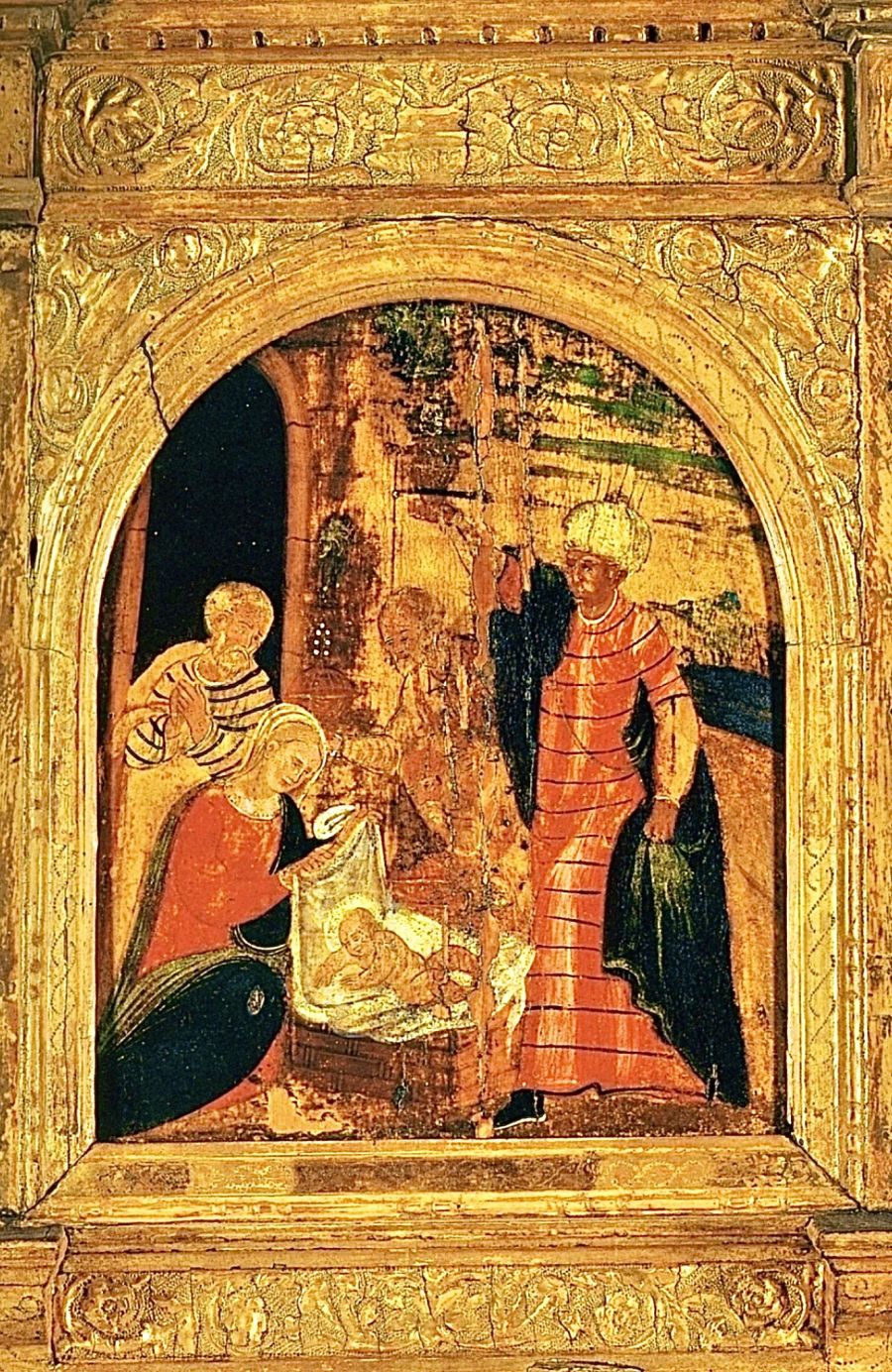
Childbirth and Manifestation

(Mt 2:1-12)


Mt writes in the 80s for the third generation worshippers. It is a time when he sees that in the first communities the pagans entered in droves, while precisely those who for centuries had been waiting for the Light to which they seemed so fond were disdainfully rejecting it.

The narrative of the Epiphany draws inspiration from what was happening before the eyes of believers at the end of the first century.

People who have always had the habit of waiting, by now they did not wait or see anything. They had become so accustomed to ancient expectations that they no longer imagined that they could have a real Encounter with the Newness of God.

The impact of those who honestly were looking for the Star was quite different: a distinct approach, albeit in precarious balance, which nevertheless allowed indeed the distant ones on the way to ask the right questions.

Without interests to defend, the new seekers of God were still on the march, they were moved away from all the ancient shackles and from their own ideas. Without respite they walked a long and new Way.

They were not just looking for quietist reassurances. They understood that the Treasure of God is in a Journey, for a not mediocre wonder; all of Origin.


While addressing religious authorities and experts in the ancient Scriptures (vv.1-2), authentic pilgrims continued to head forward.

In this way, flying over the habitual fences of respect for roles, social prominence, conformist interpretation.

But if the throne feared for its power, the temple was afraid of losing the exclusivity on God, then hegemony over consciences.

[In the Gospels, thrones and altars are under the banner of supremacy, strength, dowry, deception: here vv.3-4].

However, the Explorers did not submit to ceremonies of established verticism, nor to the influence of a fake uniformity.

Thus receiving the Radiance of Christmas Revelation: God is not a ruler, but unarmed. Tender and Small, among defenseless.


By tradition, the people of Messianic promises were considered to be awarded a regal, priestly and sponsal dignity.

These Gifts [gold and incense and myrrh: v.11] are now passed on to people of any cultural background.

Those who are endowed with a «freewheeling intuitions» - remote, «effective» treasures, so precious for the synodal path (and equally neglected) [Speech September 18, 2021].

In short, the seekers of God are called and drawn from an unthinkable geography and history, because they remain the only ones who have the liver to constantly embark on a different route: «other Way» (v.12).

Because the normality of the dictated courses kills life - annihilating the spirit of adventure and surprise that bothers to dive into the present.

And those born from wave to wave produce healthy opportunities.

The Lord knows to what potentialities of good the even more embarrassing creatures can be converted, and chaises them.


At some point in our journey - then from time to time - we will understand that the discomfort of exploration had the function of bringing to light the Child in us, hidden and misjudged.

In short, some "religious" defects make us Unique, Special. They guide us to venerate that Frugolus present, who is complicit in us.

They bring us Home, our very own.


[Epiphany of the Lord, January 6]

171 Last modified on Tuesday, 06 January 2026 12:08
don Giuseppe Nespeca

Giuseppe Nespeca è architetto e sacerdote. Cultore della Sacra scrittura è autore della raccolta "Due Fuochi due Vie - Religione e Fede, Vangeli e Tao"; coautore del libro "Dialogo e Solstizio".

Christ compares himself to the sower and explains that the seed is the word (cf. Mk 4: 14); those who hear it, accept it and bear fruit (cf. Mk 4: 20) take part in the Kingdom of God, that is, they live under his lordship. They remain in the world, but are no longer of the world. They bear within them a seed of eternity a principle of transformation [Pope Benedict]
Cristo si paragona al seminatore e spiega che il seme è la Parola (cfr Mc 4,14): coloro che l’ascoltano, l’accolgono e portano frutto (cfr Mc 4,20) fanno parte del Regno di Dio, cioè vivono sotto la sua signoria; rimangono nel mondo, ma non sono più del mondo; portano in sé un germe di eternità, un principio di trasformazione [Papa Benedetto]
In one of his most celebrated sermons, Saint Bernard of Clairvaux “recreates”, as it were, the scene where God and humanity wait for Mary to say “yes”. Turning to her he begs: “[…] Arise, run, open up! Arise with faith, run with your devotion, open up with your consent!” [Pope Benedict]
San Bernardo di Chiaravalle, in uno dei suoi Sermoni più celebri, quasi «rappresenta» l’attesa da parte di Dio e dell’umanità del «sì» di Maria, rivolgendosi a lei con una supplica: «[…] Alzati, corri, apri! Alzati con la fede, affrettati con la tua offerta, apri con la tua adesione!» [Papa Benedetto]
«The "blasphemy" [in question] does not really consist in offending the Holy Spirit with words; it consists, instead, in the refusal to accept the salvation that God offers to man through the Holy Spirit, and which works by virtue of the sacrifice of the cross [It] does not allow man to get out of his self-imprisonment and to open himself to the divine sources of purification» (John Paul II, General Audience July 25, 1990)
«La “bestemmia” [di cui si tratta] non consiste propriamente nell’offendere con le parole lo Spirito Santo; consiste, invece, nel rifiuto di accettare la salvezza che Dio offre all’uomo mediante lo Spirito Santo, e che opera in virtù del sacrificio della croce [Esso] non permette all’uomo di uscire dalla sua autoprigionia e di aprirsi alle fonti divine della purificazione» (Giovanni Paolo II, Udienza Generale 25 luglio 1990)
Seen from the capital Jerusalem, that land is geographically peripheral and religiously impure because it was full of pagans, having mixed with those who did not belong to Israel. Great things were not expected from Galilee for the history of salvation. Instead, right from there — precisely from there — radiated that “light” on which we meditated in recent Sundays: the light of Christ. It radiated right from the periphery (Pope Francis)
Vista dalla capitale Gerusalemme, quella terra è geograficamente periferica e religiosamente impura perché era piena di pagani, per la mescolanza con quanti non appartenevano a Israele. Dalla Galilea non si attendevano certo grandi cose per la storia della salvezza. Invece proprio da lì - proprio da lì - si diffonde quella “luce” sulla quale abbiamo meditato nelle scorse domeniche: la luce di Cristo. Si diffonde proprio dalla periferia (Papa Francesco)
Christ and his intimates tried to strengthen the sense of sharing, returning to the profound spirit of what once the clan, the family, the community were - expressions of God's love that manifests itself...
Cristo e i suoi intimi tentavano di rafforzare il senso di condivisione, tornando allo spirito profondo di ciò che un tempo erano appunto il clan, la famiglia, la comunità - espressioni dell’amore di Dio che si manifesta…
The Church was built on the foundation of the Apostles as a community of faith, hope and charity. Through the Apostles, we come to Jesus himself (Pope Benedict)

Due Fuochi due Vie - Vol. 1 Due Fuochi due Vie - Vol. 2 Due Fuochi due Vie - Vol. 3 Due Fuochi due Vie - Vol. 4 Due Fuochi due Vie - Vol. 5 Dialogo e Solstizio I fiammiferi di Maria

duevie.art

don Giuseppe Nespeca

Tel. 333-1329741


Disclaimer

Questo blog non rappresenta una testata giornalistica in quanto viene aggiornato senza alcuna periodicità. Non può pertanto considerarsi un prodotto editoriale ai sensi della legge N°62 del 07/03/2001.
Le immagini sono tratte da internet, ma se il loro uso violasse diritti d'autore, lo si comunichi all'autore del blog che provvederà alla loro pronta rimozione.
L'autore dichiara di non essere responsabile dei commenti lasciati nei post. Eventuali commenti dei lettori, lesivi dell'immagine o dell'onorabilità di persone terze, il cui contenuto fosse ritenuto non idoneo alla pubblicazione verranno insindacabilmente rimossi.






