Nov 27, 2025 Written by 

When the Lord is present, everything is reborn

Prophet Isaiah (35: 4-7) encourages those "who are of a fearful heart" and proclaims this marvellous newness which experience has confirmed: when the Lord is present the eyes of the blind are reopened, the ears of the deaf unstopped and the lame man leaps like a hart. All things are reborn and all things are revived, for beneficial waters irrigate the desert. The "desert", in Isaiah's symbolic language, can call to mind the tragic events, difficult situations and loneliness that often mark life; the deepest desert is the human heart when it loses the capacity for listening, speaking and communicating with God and with others. Eyes then become blind because they are incapable of seeing reality; ears are closed so as not to hear the cry of those who implore help; hearts are hardened in indifference and selfishness. But now, the Prophet proclaims, all is destined to change; the "dry land" of a closed heart will be watered by a new, divine sap. And when the Lord comes, to those who are fearful of heart in every epoch he says authoritatively: "Be strong, fear not!" (v. 4).

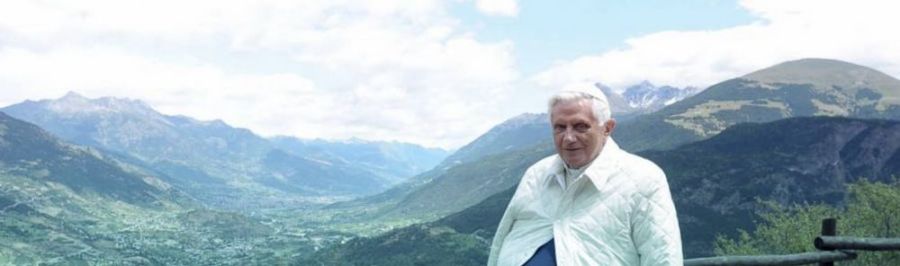
[Pope Benedict, Faul Valley homily Viterbo 6 September 2009]

56 Last modified on Thursday, 27 November 2025 03:57
don Giuseppe Nespeca

Giuseppe Nespeca è architetto e sacerdote. Cultore della Sacra scrittura è autore della raccolta "Due Fuochi due Vie - Religione e Fede, Vangeli e Tao"; coautore del libro "Dialogo e Solstizio".

Email This email address is being protected from spambots. You need JavaScript enabled to view it.
“They found”: this word indicates the Search. This is the truth about man. It cannot be falsified. It cannot even be destroyed. It must be left to man because it defines him (John Paul II)
“Trovarono”: questa parola indica la Ricerca. Questa è la verità sull’uomo. Non la si può falsificare. Non la si può nemmeno distruggere. La si deve lasciare all’uomo perché essa lo definisce (Giovanni Paolo II)
Thousands of Christians throughout the world begin the day by singing: “Blessed be the Lord” and end it by proclaiming “the greatness of the Lord, for he has looked with favour on his lowly servant” (Pope Francis)
Migliaia di cristiani in tutto il mondo cominciano la giornata cantando: “Benedetto il Signore” e la concludono “proclamando la sua grandezza perché ha guardato con bontà l’umiltà della sua serva” (Papa Francesco)
The new Creation announced in the suburbs invests the ancient territory, which still hesitates. We too, accepting different horizons than expected, allow the divine soul of the history of salvation to visit us
La nuova Creazione annunciata in periferia investe il territorio antico, che ancora tergiversa. Anche noi, accettando orizzonti differenti dal previsto, consentiamo all’anima divina della storia della salvezza di farci visita
Luke the Evangelist of the Poor celebrates the reversals of the situation: pharisee and tax collector, prodigal son and firstborn, samaritan and priest-levite, Lazarus and rich man, first and last place, Beatitudes and “woe to you”... so in the anthem of the Magnificat
Luca evangelista dei poveri celebra i ribaltamenti di situazione: fariseo e pubblicano, figlio prodigo e primogenito, samaritano e sacerdote-levita, Lazzaro e ricco epulone, primo e ultimo posto, Beatitudini e “guai”... così nell’inno del Magnificat
In these words we find the core of biblical truth about St. Joseph; they refer to that moment in his life to which the Fathers of the Church make special reference (Redemtoris Custos n.2)
In queste parole è racchiuso il nucleo centrale della verità biblica su san Giuseppe, il momento della sua esistenza a cui in particolare si riferiscono i padri della Chiesa (Redemtoris Custos n.2)
The ancient priest stagnates, and evaluates based on categories of possibilities; reluctant to the Spirit who moves situations
Il sacerdote antico ristagna, e valuta basando su categorie di possibilità; riluttante allo Spirito che smuove le situazioni
«Even through Joseph’s fears, God’s will, his history and his plan were at work. Joseph, then, teaches us that faith in God includes believing that he can work even through our fears, our frailties and our weaknesses. He also teaches us that amid the tempests of life, we must never be afraid to let the Lord steer our course. At times, we want to be in complete control, yet God always sees the bigger picture» (Patris Corde, n.2)
«Anche attraverso l’angustia di Giuseppe passa la volontà di Dio, la sua storia, il suo progetto. Giuseppe ci insegna così che avere fede in Dio comprende pure il credere che Egli può operare anche attraverso le nostre paure, le nostre fragilità, la nostra debolezza. E ci insegna che, in mezzo alle tempeste della vita, non dobbiamo temere di lasciare a Dio il timone della nostra barca. A volte noi vorremmo controllare tutto, ma Lui ha sempre uno sguardo più grande» (Patris Corde, n.2)

Due Fuochi due Vie - Vol. 1 Due Fuochi due Vie - Vol. 2 Due Fuochi due Vie - Vol. 3 Due Fuochi due Vie - Vol. 4 Due Fuochi due Vie - Vol. 5 Dialogo e Solstizio I fiammiferi di Maria

duevie.art

don Giuseppe Nespeca

Tel. 333-1329741


Disclaimer

Questo blog non rappresenta una testata giornalistica in quanto viene aggiornato senza alcuna periodicità. Non può pertanto considerarsi un prodotto editoriale ai sensi della legge N°62 del 07/03/2001.
Le immagini sono tratte da internet, ma se il loro uso violasse diritti d'autore, lo si comunichi all'autore del blog che provvederà alla loro pronta rimozione.
L'autore dichiara di non essere responsabile dei commenti lasciati nei post. Eventuali commenti dei lettori, lesivi dell'immagine o dell'onorabilità di persone terze, il cui contenuto fosse ritenuto non idoneo alla pubblicazione verranno insindacabilmente rimossi.






