Jul 10, 2026 Written by 

A new God, without planning: perhaps a deluded one?

In the difference between common religiosity and Faith

(Mt 13:1-23)


The parables compare the lived reality and the world of the Spirit:

«Others [grains] then fell on the earth the beautiful one and bore fruit, some hundred, some sixty, some thirty» (v.8).

Palestine’ stony terrain and scorching climate did not make it easy for the workers who lived on agriculture.

The lack of rain and the intrusion into the fields of those who wanted to shorten the path, destroyed the plants.

Tiring action and few tangible results.

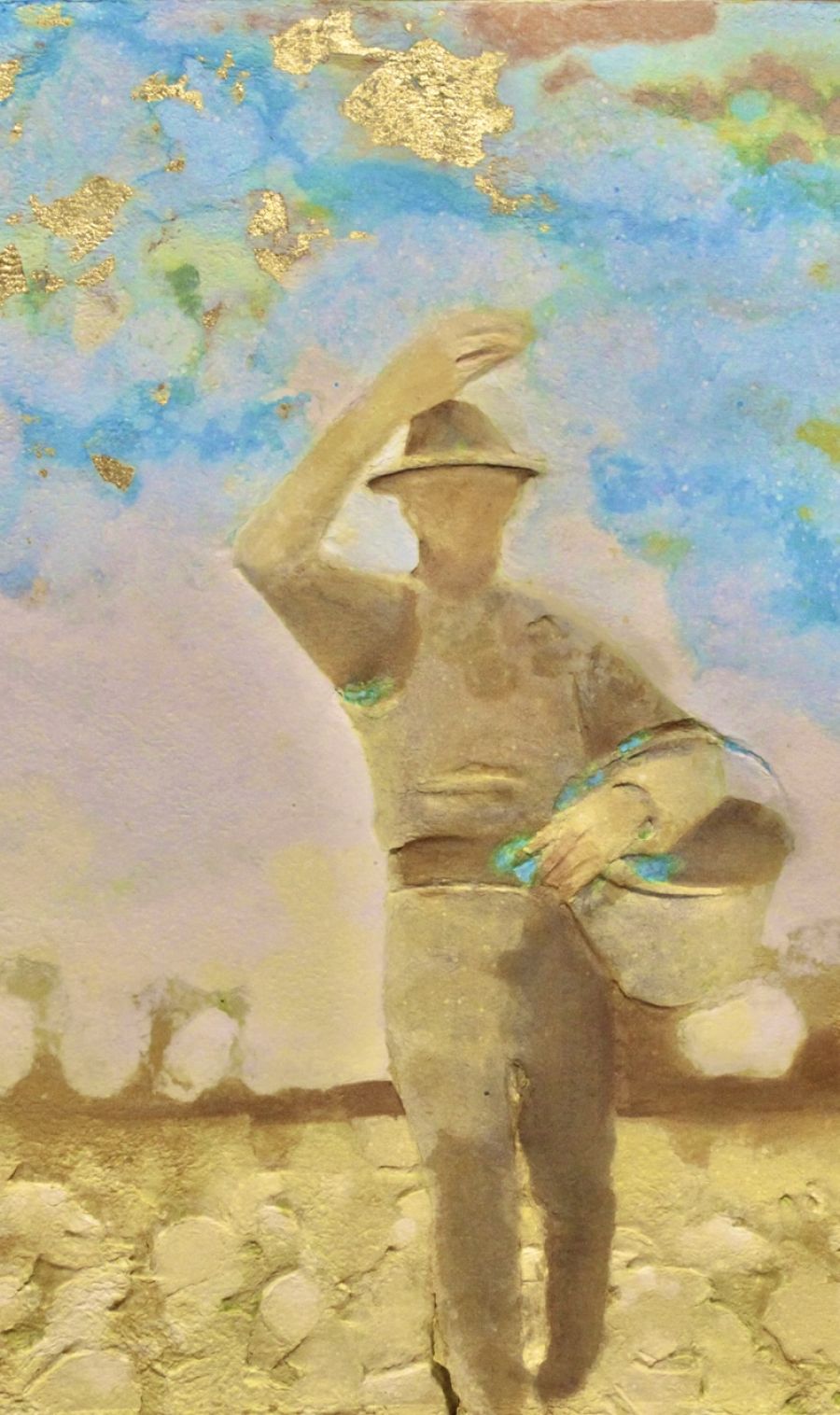
Despite the enormous difficulties, every year the peasant threw grains with a wide hand, generously - and ploughed, animated by confidence in the inner life force of the seed and in the bounty of nature.

Ploughing was after sowing, to avoid that the soils turned over dried immediately under the powerful heat, and did not allow the grains to take root thanks to a minimum of moisture.

So the sower did not select the different types of ground prematurely.


The Seed already works: the new ‘Kingdom that Comes’ is not glorious, but here and there it takes root and produces - even where you do not expect.

According to the ancient religious mentality it seems a madness, but the divine Farmer does not choose the type of "land", nor discriminates on the basis of the percentage of production - although it would seem easy to predict.

The Sower even accepts that his ‘grain’ fallen on the «beautiful» [v.8 Greek text] ground, fruits differently: one hundred, sixty, thirty for one.

The term «beautiful» (in the Eastern sense) means the full and fruitful land [the soul and work of the most intimate, even anonymous ones].


The Lord means that a wise commitment to evangelization cannot be measured with fussiness.

His Word remains as a Beginning thrown into the human heart by the One who is neither stingy nor exclusive - but magnanimous.

In this way, the Church, his new People, is a small alternative world to both the Empire and selective religions.

The new Rabbi did not intend to carve out better disciples than others - isolated from the reality of the human family.

He was proposing a new lifestyle, cohabiting.

In short, God does not force the growth of the ‘seed’ in each of us, in an abstract way; He waits patiently.

Even accepts that it is born badly or that it does not arise at all. He knows where to go.


Since overflowingly spreads on all kinds of hearts (even on asphalt), He foresees already that will be accused of being unwise.

But He does not worry about the quantity, nor about the immediate outward fruits of His ‘grain’.

He does not care that the work is "effective right from the start"!

Such is the amiable, humanizing and divine (parental) Tolerance that saves. Loveableness that does not kidnap us every moment, to plan.

Rather, all this is to make us understand that He is not a calculating and miserly God, external, tight and biased; but a munificent and conciliatory Father.

Lord of the Kingdom who does not wait first for our little ‘perfections’.


The metaphor that follows the initial parable is intended to emphasize that any lack of result is not to be attributed to the lack of vitality of the Seed, nor to the divine Work, but to man’s freedom; to his condition of limit or incoherence.


Unfortunately, from the earliest generations of believers, the positive Call of Jesus has been reinterpreted somewhat backwards: with moralistic and individualistic overtones (vv.10-23) that have undermined its genuineness.

In this way, the initial proposal of personal Faith became contaminated with the customary purist and fall-back [guilt-ridden] outlook typical of the surrounding philosophies and religions, as well as common thought.

Certain configurations of ecclesial order subsequently normalized the same exceptional power of the Message; so unprecedented. In particular, the new sense of adequacy, confidence and self-esteem that the Son of God intended to communicate to His friends, and to the world of the least.


[15th Sunday in O.T. (year A)  July 12, 2026]

272 Last modified on Sunday, 12 July 2026 12:46
don Giuseppe Nespeca

Giuseppe Nespeca è architetto e sacerdote. Cultore della Sacra scrittura è autore della raccolta "Due Fuochi due Vie - Religione e Fede, Vangeli e Tao"; coautore del libro "Dialogo e Solstizio".

Dear friends, “in the Eucharist Jesus also makes us witnesses of God’s compassion towards all our brothers and sisters. The Eucharistic mystery thus gives rise to a service of charity towards neighbour” (Post-Synodal Apostolic Exhortation Sacramentum Caritatis, 88) [Pope Benedict]
Cari amici, “nell’Eucaristia Gesù fa di noi testimoni della compassione di Dio per ogni fratello e sorella. Nasce così intorno al Mistero eucaristico il servizio della carità nei confronti del prossimo” (Esort. ap. postsin. Sacramentum caritatis, 88) [Papa Benedetto]
We see this great figure, this force in the Passion, in resistance to the powerful. We wonder: what gave birth to this life, to this interiority so strong, so upright, so consistent, spent so totally for God in preparing the way for Jesus? The answer is simple: it was born from the relationship with God (Pope Benedict)
Noi vediamo questa grande figura, questa forza nella passione, nella resistenza contro i potenti. Domandiamo: da dove nasce questa vita, questa interiorità così forte, così retta, così coerente, spesa in modo così totale per Dio e preparare la strada a Gesù? La risposta è semplice: dal rapporto con Dio (Papa Benedetto)
Christian's are a priestly people for the world. Christians should make the living God visible to the world, they should bear witness to him and lead people towards him (Pope Benedict)
I cristiani sono popolo sacerdotale per il mondo. I cristiani dovrebbero rendere visibile al mondo il Dio vivente, testimoniarLo e condurre a Lui (Papa Benedetto)
Christ says: the kingdom of heaven is similar "to a net thrown into the sea, which gathers all kinds of fish" (Mt 13:47). These simple words completely change the physiognomy of the world: the physiognomy of our human world, as we make it [Pope John Paul II]
Cristo dice: il regno dei cieli è simile “a una rete gettata nel mare, che raccoglie ogni genere di pesci” (Mt 13,47). Queste semplici parole mutano completamente la fisionomia del mondo: la fisionomia del nostro mondo umano, come noi ce la facciamo [Papa Giovanni Paolo II]
Christ is not resigned to the tombs that we have built for ourselves (Pope Francis)
Cristo non si rassegna ai sepolcri che ci siamo costruiti (Papa Francesco)
Many situations, then, which unfortunately do not conform to the legitimate predictions and rules established, are anything but negative; and instead of taking away confidence for the harassment they cause, They should have it more generous and far-sighted in favor of their process of responsible decantation (Pope Paul VI)
Molte situazioni, poi, che non sono purtroppo conformi alle legittime previsioni e alle norme stabilite, sono tutt’altro che del tutto negative; e invece di togliere la fiducia per la molestia che arrecano, esse dovrebbero averla più generosa e lungimirante in favore del loro processo di responsabile decantazione (Papa Paolo VI)
We must not fear the humility of taking little steps, but trust in the leaven that penetrates the dough and slowly causes it to rise (cf. Mt 13:33) [Pope Benedict]
Occorre non temere l’umiltà dei piccoli passi e confidare nel lievito che penetra nella pasta e lentamente la fa crescere (cfr Mt 13,33) [Papa Benedetto]
The joy of the Gospel fills the hearts and lives of all who encounter Jesus. Those who accept his offer of salvation are set free from sin, sorrow, inner emptiness and loneliness. With Christ joy is constantly born anew [Evangelii Gaudium n.1]

Due Fuochi due Vie - Vol. 1 Due Fuochi due Vie - Vol. 2 Due Fuochi due Vie - Vol. 3 Due Fuochi due Vie - Vol. 4 Due Fuochi due Vie - Vol. 5 Dialogo e Solstizio I fiammiferi di Maria

duevie.art

don Giuseppe Nespeca

Tel. 333-1329741


Disclaimer

Questo blog non rappresenta una testata giornalistica in quanto viene aggiornato senza alcuna periodicità. Non può pertanto considerarsi un prodotto editoriale ai sensi della legge N°62 del 07/03/2001.
Le immagini sono tratte da internet, ma se il loro uso violasse diritti d'autore, lo si comunichi all'autore del blog che provvederà alla loro pronta rimozione.
L'autore dichiara di non essere responsabile dei commenti lasciati nei post. Eventuali commenti dei lettori, lesivi dell'immagine o dell'onorabilità di persone terze, il cui contenuto fosse ritenuto non idoneo alla pubblicazione verranno insindacabilmente rimossi.






