Oct 10, 2026 Written by 

Render unto God what is God’s

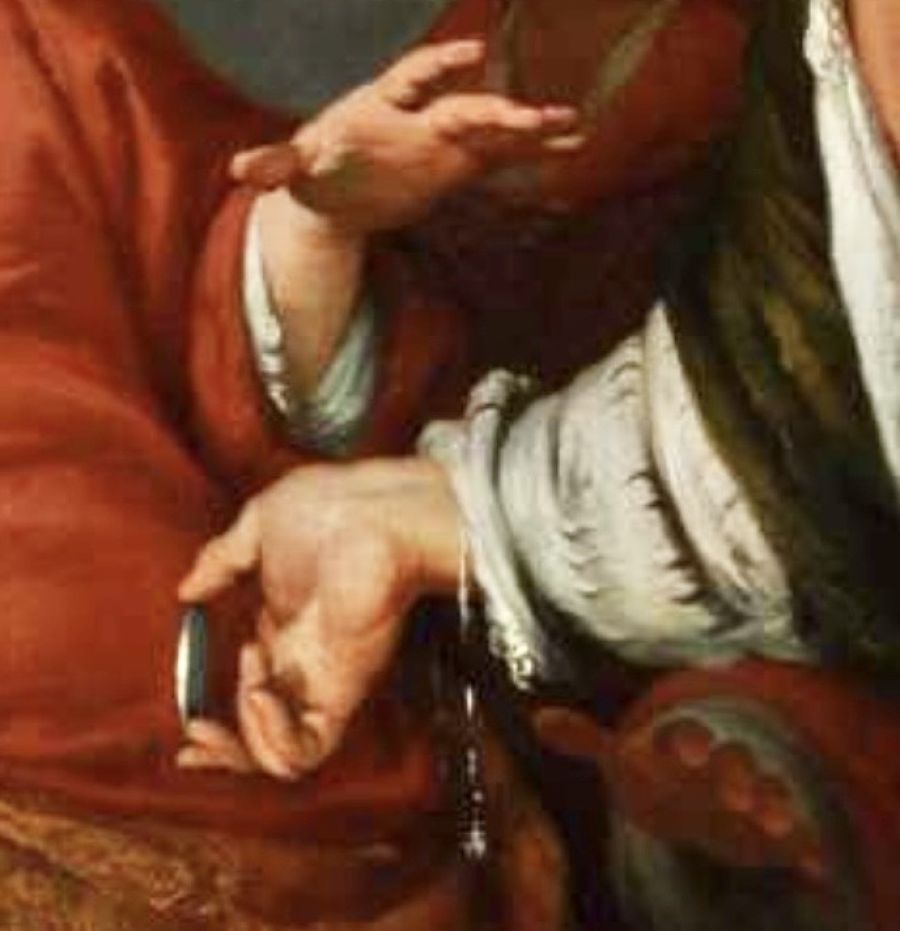
In today’s Gospel, the evangelist Matthew addresses the issue of paying taxes to the Emperor of Rome. 

The Pharisees and Herodians, seeking to trap Jesus, put a question to him:

«Is it lawful to pay tax to Caesar, or not?» (Mt 22:17).

But the Lord replies with that wisdom which comes from on high and is characteristic of him:

«Give to Caesar what is Caesar’s, and to God what is God’s» (Mt 22:21).


In the Franciscan Sources, the ‘Little One of Assisi’ demonstrates throughout his life the wisdom of a poor man.

At the beginning of his conversion, he gave his money to a priest so that the church might be repaired, realising that in this way he would be giving back to God what was His, thereby practising distributive justice.

‘The new knight of Christ approaches the church, and seeing it in such a wretched state, his heart is moved with compassion.

He enters with reverential awe and, encountering a poor priest there, with great faith kisses his consecrated hands, offers him the money he carries with him, and reveals his intentions.

Astounded by this sudden conversion, the priest can scarcely believe what his ears are hearing and refuses to take the money, fearing it is a prank.

Indeed, he had seen him, so to speak, the day before revelling amongst relatives and friends, surpassing everyone in folly.

But Francis insisted and repeatedly implored him to believe his words, and begged him to take him in to serve the Lord alongside him.

And finally, the priest allowed him to stay with him, whilst continuing to refuse the money, for fear of his relatives.

So Francis, a true despiser of wealth, threw it out of a small window, caring no more for it than for dust.

For he longed to possess the wisdom that is better than gold and to obtain the prudence that is more precious than silver’ (FF 335).

After so much debauchery, he wished to give things their proper weight and to give to God what is His and to people what is due to them.

And the sources continue to illustrate the dynamics of his life in truth:

“Francis, supremely in love with God, had a great contempt for all earthly things, but above all he detested money.

He began to despise it in a very special way right from the start of his conversion and urged his followers to flee from it as though it were the devil himself.

He had advised them to treat money in the same way as dung […]” (FF 651).

Just as Jesus takes those present by surprise with his incisive reply, so Francis, following in his footsteps, surprises everyone with a new way of life characterised by truth and justice.


29th Sunday in Ordinary Time (year A)  (Mt 22:15–21)

86 Last modified on Saturday, 10 October 2026 06:29
Teresa Girolami

Teresa Girolami è laureata in Materie letterarie e Teologia. Ha pubblicato vari testi, fra cui: "Pellegrinaggio del cuore" (Ed. Piemme); "I Fiammiferi di Maria - La Madre di Dio in prosa e poesia"; "Tenerezza Scalza - Natura di donna"; co-autrice di "Dialogo e Solstizio".

Email This email address is being protected from spambots. You need JavaScript enabled to view it.
As sometimes happens in the Gospel, faced with the trap set by his enemies, Jesus, with his response, rises above the contingent controversy and goes far beyond the particular and mutually divergent positions (Pope John Paul II)
Come talora accade nel Vangelo, di fronte al tranello mossogli dai suoi nemici, Gesù, con la sua risposta, s’innalza al di sopra della polemica contingente e va ben oltre le posizioni particolari e tra loro divergenti (Papa Giovanni Paolo II)
And blasphemy, the sin against the Holy Spirit, is the one unforgivable sin — as Jesus said — because it comes from closing the heart to God’s mercy which acts in Jesus (Pope Francis)
E la bestemmia, il peccato contro lo Spirito Santo, è l’unico peccato imperdonabile – così dice Gesù –, perché parte da una chiusura del cuore alla misericordia di Dio che agisce in Gesù (Papa Francesco)
The great thinker Romano Guardini wrote that the Lord “is always close, being at the root of our being. Yet we must experience our relationship with God between the poles of distance and closeness. By closeness we are strengthened, by distance we are put to the test” (Pope Benedict)
Il grande pensatore Romano Guardini scrive che il Signore “è sempre vicino, essendo alla radice del nostro essere. Tuttavia, dobbiamo sperimentare il nostro rapporto con Dio tra i poli della lontananza e della vicinanza. Dalla vicinanza siamo fortificati, dalla lontananza messi alla prova” (Papa Benedetto)
The present-day mentality, more perhaps than that of people in the past, seems opposed to a God of mercy, and in fact tends to exclude from life and to remove from the human heart the very idea of mercy (Pope John Paul II)
La mentalità contemporanea, forse più di quella dell'uomo del passato, sembra opporsi al Dio di misericordia e tende altresì ad emarginare dalla vita e a distogliere dal cuore umano l'idea stessa della misericordia (Papa Giovanni Paolo II)
«Religion of appearance» or «road of humility»? (Pope Francis)
«Religione dell’apparire» o «strada dell’umiltà»? (Papa Francesco)
In the crucified Jesus a kind of transformation and concentration of the signs occurs: he himself is the “sign of God”, especially in the mystery of his Death and Resurrection (Pope John Paul II)
In Gesù crocifisso avviene come una trasformazione e concentrazione dei segni: è Lui stesso il "segno di Dio", soprattutto nel mistero della sua morte e resurrezione (Papa Giovanni Paolo II)
However, the king was not discouraged and sent his servants out to seek other guests to fill his banquet hall. Thus the aspect of the refusal of those initially invited caused the invitation to be extended to all [Pope Benedict]
Il re però non si scoraggia e invia i suoi servi a cercare altri commensali per riempire la sala del suo banchetto. Così il rifiuto dei primi ha come effetto l’estensione dell’invito a tutti [Papa Benedetto]
Faith in God opens before us the horizon of a sure hope, one which does not disappoint; it indicates a solid foundation on which to base one’s life without fear; it demands a faith-filled surrender into the hands of the Love which sustains the world (Pope Benedict)
La fede in Dio apre all’uomo l’orizzonte di una speranza certa che non delude; indica un solido fondamento sul quale poggiare, senza paura, la propria vita; richiede l’abbandono, pieno di fiducia, nelle mani dell’Amore che sostiene il mondo (Papa Benedetto)
The "new evangelization" faces this challenge. It must work to ensure that people recover the awareness that in Christ evil can be conquered with good (Pope John Paul II)

Due Fuochi due Vie - Vol. 1 Due Fuochi due Vie - Vol. 2 Due Fuochi due Vie - Vol. 3 Due Fuochi due Vie - Vol. 4 Due Fuochi due Vie - Vol. 5 Dialogo e Solstizio I fiammiferi di Maria

duevie.art

don Giuseppe Nespeca

Tel. 333-1329741


Disclaimer

Questo blog non rappresenta una testata giornalistica in quanto viene aggiornato senza alcuna periodicità. Non può pertanto considerarsi un prodotto editoriale ai sensi della legge N°62 del 07/03/2001.
Le immagini sono tratte da internet, ma se il loro uso violasse diritti d'autore, lo si comunichi all'autore del blog che provvederà alla loro pronta rimozione.
L'autore dichiara di non essere responsabile dei commenti lasciati nei post. Eventuali commenti dei lettori, lesivi dell'immagine o dell'onorabilità di persone terze, il cui contenuto fosse ritenuto non idoneo alla pubblicazione verranno insindacabilmente rimossi.