Jul 19, 2026 Written by 

Treasure Poverty

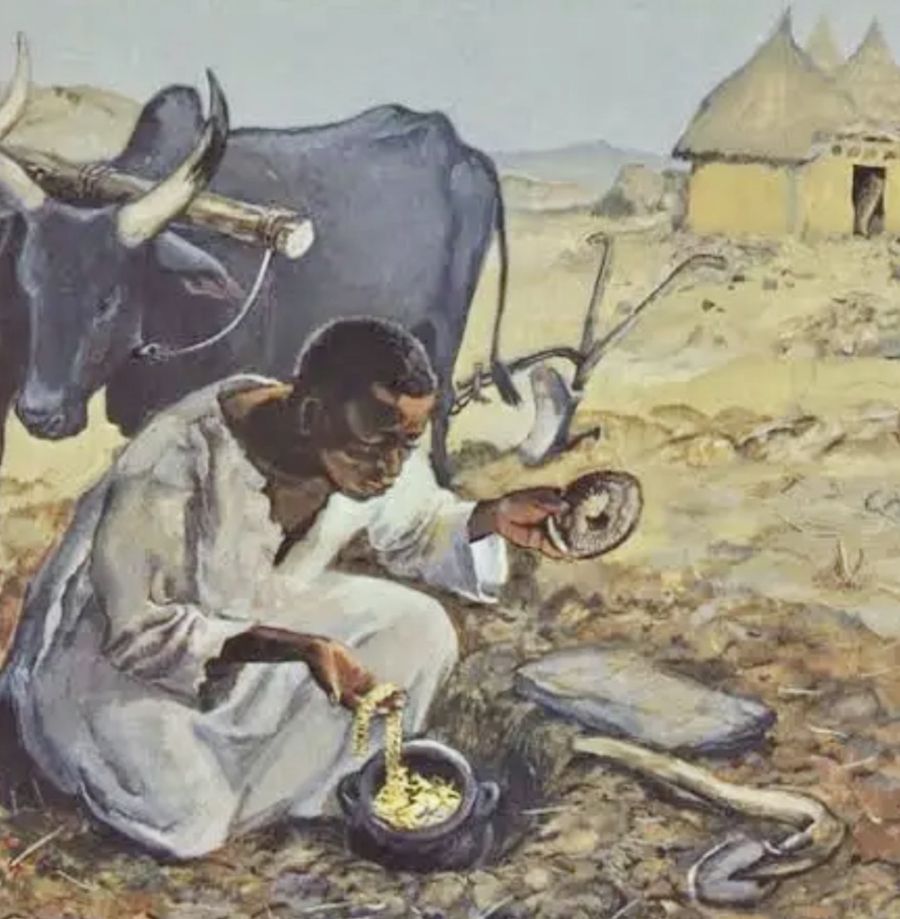
Matthew speaks of the Kingdom of Heaven. It is depicted in three parables concerning the treasure in the field, the precious pearl and the fishing net.


For Francis, as the Sources themselves reveal, the hidden treasure was poverty – not an end in itself, but for the sake of the Kingdom: conformity to the Poor Christ.

For him, the hidden treasure for which he was willing to sell everything was his encounter with the lepers, a tangible revelation of God, and with whom he wished to spend much time, caring for them and loving them more than himself.

For Francis, the hidden treasure was also prayer and the sufferings shared with Jesus.

The Sources attest:

“These visits to the lepers increased his goodness. Taking a companion of his, whom he had loved dearly, to a remote spot, he told him that he had discovered a great and precious treasure […]

He often took him to a cave near Assisi; he would go in alone, leaving his friend outside, eager to lay hold of the treasure” (FF 1409).

“Then, as a lover of every form of humility, he went to live amongst the lepers, staying with them and serving them all with the utmost care.

He washed their feet, bandaged their sores, removed the scabs from their sores and cleaned them of their pus.

Driven by admirable devotion, he would even kiss their gangrenous sores—he who was soon to become the Good Samaritan of the Gospel” (FF 1045).

Furthermore:

“And truly, the true religion which he embraced is God’s immaculate bride; and the Kingdom of Heaven is the hidden treasure which he sought so ardently” (FF 330) .

His biographer Celano continues, in the First Life:

“He withdraws a little from the turmoil of the world […] and seeks to keep Jesus Christ in the intimacy of his heart. Like a shrewd merchant, he hides the pearl he has found from the gaze of sceptics, and secretly sets about buying it by selling everything else” (FF 328).


«The Kingdom of Heaven is like a treasure hidden in a field, which a man, having found, hid; and in his joy he goes and sells all he has and buys that field» (Mt 13:44)


17th Sunday in Ordinary Time, year A  (Mt 13:44–52)

87 Last modified on Sunday, 19 July 2026 19:55
Teresa Girolami

Teresa Girolami è laureata in Materie letterarie e Teologia. Ha pubblicato vari testi, fra cui: "Pellegrinaggio del cuore" (Ed. Piemme); "I Fiammiferi di Maria - La Madre di Dio in prosa e poesia"; "Tenerezza Scalza - Natura di donna"; co-autrice di "Dialogo e Solstizio".

Email This email address is being protected from spambots. You need JavaScript enabled to view it.
The joy of the Gospel fills the hearts and lives of all who encounter Jesus. Those who accept his offer of salvation are set free from sin, sorrow, inner emptiness and loneliness. With Christ joy is constantly born anew [Evangelii Gaudium n.1]
La gioia del Vangelo riempie il cuore e la vita intera di coloro che si incontrano con Gesù. Coloro che si lasciano salvare da Lui sono liberati dal peccato, dalla tristezza, dal vuoto interiore, dall’isolamento. Con Gesù Cristo sempre nasce e rinasce la gioia [Evangelii Gaudium n.1]
The Spirit of the Lord continues to pour out his gifts upon the Church to guide us into all truth, to show us the meaning of the Scriptures and to make us credible heralds of the word of salvation before the world [Pope Benedict, Verbum Domini]
Lo Spirito del Signore continua ad effondere i suoi doni sulla Chiesa perché siamo condotti alla verità tutta intera, dischiudendo a noi il senso delle Scritture e rendendoci nel mondo annunciatori credibili della Parola di salvezza [Papa Benedetto, Verbum Domini]
This belonging to each other and to him is not some ideal, imaginary, symbolic relationship, but – I would almost want to say – a biological, life-transmitting state of belonging to Jesus Christ (Pope Benedict)
Questo appartenere l’uno all’altro e a Lui non è una qualsiasi relazione ideale, immaginaria, simbolica, ma – vorrei quasi dire – un appartenere a Gesù Cristo in senso biologico, pienamente vitale (Papa Benedetto)
Jesus invites us to discern the words and deeds which bear witness to the imminent coming of the Father’s kingdom. Indeed, he indicates and concentrates all the signs in the enigmatic “sign of Jonah”. By doing so, he overturns the worldly logic aimed at seeking signs that would confirm the human desire for self-affirmation and power (Pope John Paul II)
Gesù invita al discernimento in rapporto alle parole ed opere, che testimoniano l'imminente avvento del Regno del Padre. Anzi, Egli indirizza e concentra tutti i segni nell'enigmatico "segno di Giona". E con ciò rovescia la logica mondana tesa a cercare segni che confermino il desiderio di autoaffermazione e di potenza dell'uomo (Papa Giovanni Paolo II)
In reality, an abstract, distant god is more comfortable, one that doesn’t get himself involved in situations and who accepts a faith that is far from life, from problems, from society. Or we would even like to believe in a ‘special effects’ god (Pope Francis)
In realtà, è più comodo un dio astratto, distante, che non si immischia nelle situazioni e che accetta una fede lontana dalla vita, dai problemi, dalla società. Oppure ci piace credere a un dio “dagli effetti speciali” (Papa Francesco)
It is as though you were given a parcel with a gift inside and, rather than going to open the gift, you look only at the paper it is wrapped in: only appearances, the form, and not the core of the grace, of the gift that is given! (Pope Francis)
È come se a te regalassero un pacchetto con dentro un dono e tu, invece di andare a cercare il dono, guardi soltanto la carta nel quale è incartato: soltanto le apparenze, la forma, e non il nocciolo della grazia, del dono che viene dato! (Papa Francesco)
The Lord has our good at heart, that is, that every person should have life, and that especially the "least" of his children may have access to the banquet he has prepared for all (Pope Benedict)
Al Signore sta a cuore il nostro bene, cioè che ogni uomo abbia la vita, e che specialmente i suoi figli più "piccoli" possano accedere al banchetto che lui ha preparato per tutti (Papa Benedetto)

Due Fuochi due Vie - Vol. 1 Due Fuochi due Vie - Vol. 2 Due Fuochi due Vie - Vol. 3 Due Fuochi due Vie - Vol. 4 Due Fuochi due Vie - Vol. 5 Dialogo e Solstizio I fiammiferi di Maria

duevie.art

don Giuseppe Nespeca

Tel. 333-1329741


Disclaimer

Questo blog non rappresenta una testata giornalistica in quanto viene aggiornato senza alcuna periodicità. Non può pertanto considerarsi un prodotto editoriale ai sensi della legge N°62 del 07/03/2001.
Le immagini sono tratte da internet, ma se il loro uso violasse diritti d'autore, lo si comunichi all'autore del blog che provvederà alla loro pronta rimozione.
L'autore dichiara di non essere responsabile dei commenti lasciati nei post. Eventuali commenti dei lettori, lesivi dell'immagine o dell'onorabilità di persone terze, il cui contenuto fosse ritenuto non idoneo alla pubblicazione verranno insindacabilmente rimossi.






